




Riverfront Development in India: How Urban Infrastructure Is Changing City Real Estate
Riverfront projects are becoming an important part of urban planning in India. Cities are exploring ways to improve public spaces near rivers, create walking routes and improve access to recreational...

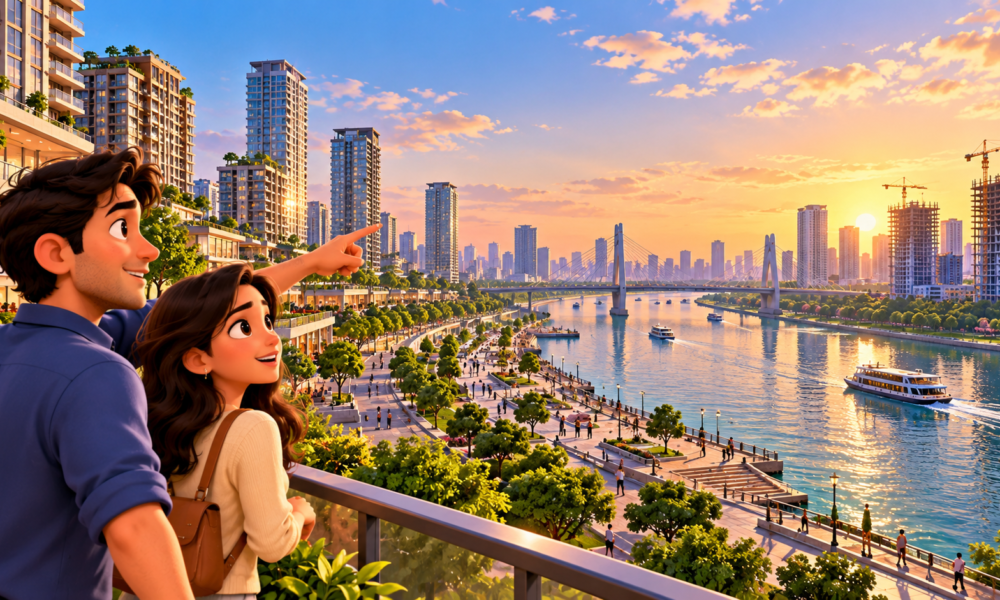
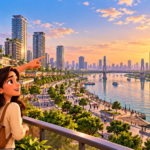
Riverfront projects are becoming an important part of urban planning in India. Cities are exploring ways to improve public spaces near rivers, create walking routes and improve access to recreational areas. These projects can also influence nearby businesses and property markets.
However, a successful riverfront project needs more than attractive roads and public spaces. Clean water, sewage treatment, flood management and protection of natural river systems are equally important.
Why Are Indian Cities Investing in Riverfronts?
Riverfront development can make rivers more accessible to residents and visitors. Projects may include walking paths, cycling tracks, parks, public spaces and improved transport links.
The larger goal is to connect urban life with river systems while improving the use of public land. Well-planned projects can support tourism, recreation and local business activity.
In June 2026, the National Mission for Clean Ganga reported progress on Urban River Management Plans across cities in the Ganga basin. The initiative aims to bring river health into urban planning instead of treating rivers only as physical boundaries or sources of water.
Delhi’s Yamuna Riverfront Plan
Delhi has also been exploring a major riverfront project along the Yamuna. A report published by The Indian Express on 21 October 2026 said the government was planning a 52-kilometre riverfront inspired by Ahmedabad’s Sabarmati Riverfront.
The proposal includes walking paths, cycling tracks, sports grounds and recreational spaces. The reported plan is divided into phases, with the first section running from Palla to Wazirabad and a later section extending towards Kalindi Kunj.
The project remains a development proposal, so its final design, implementation schedule and impact will depend on official decisions and execution. River rejuvenation and sewage treatment will be important to its long-term success.
How Can Riverfront Projects Affect Real Estate?
Better public spaces can make nearby neighbourhoods more attractive to residents and businesses. Improved roads, walking routes and recreational facilities may increase interest in surrounding areas.
Local shops, restaurants, hotels and tourism services may also benefit if a project attracts regular visitors.
However, nearby property prices do not automatically rise because a riverfront is announced. The effect depends on the project’s location, transport access, environmental conditions, maintenance and actual completion.
Buyers should compare recent transactions, check land-use rules and assess flood risk before purchasing property near a river.
Environmental Concerns Matter
Riverfront development can create problems if it reduces natural floodplains, damages wetlands or focuses on construction without improving water quality.
Rivers need space to carry excess water during heavy rainfall. Sewage treatment, waste management and protection of riverbanks should therefore form part of the wider plan.
Authorities also need to consider residents who depend on river-related livelihoods and ensure that public access is planned fairly.
What Should Property Buyers Watch?
Buyers should distinguish between an announced proposal, an approved project and completed infrastructure. They should verify land ownership, development permissions and flood-related risks before making a decision.
Riverfront projects can improve city life, but lasting value comes from reliable infrastructure and environmental protection, not from a project announcement alone.





No Comment! Be the first one.