








Adani Power: Electricity Demand, Capacity Expansion and India’s Energy Needs
India’s electricity demand is shaped by industrial production, urbanisation, household consumption, commercial activity and weather conditions. Meeting that demand requires generation capacity,...

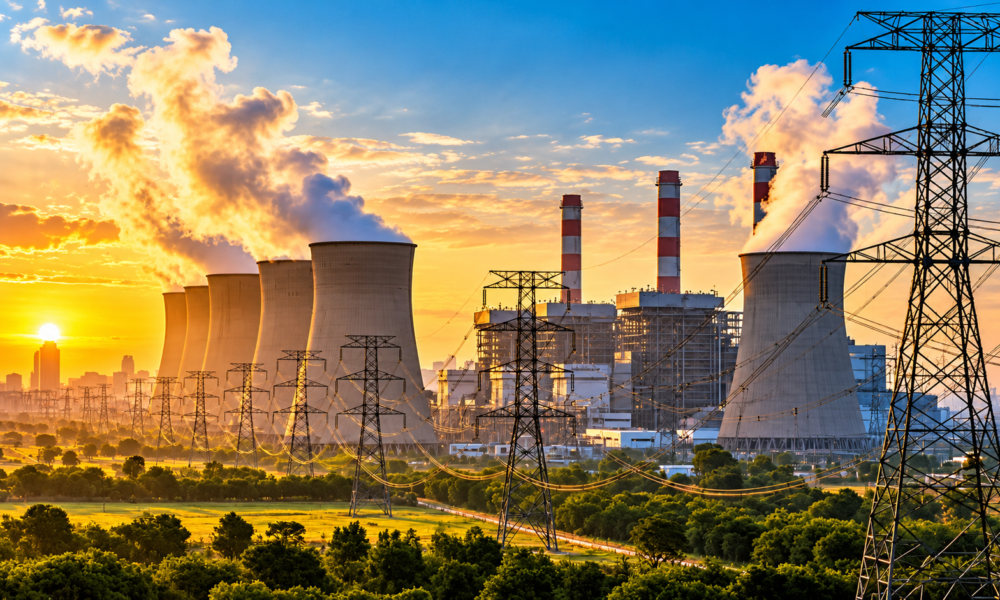
India’s electricity demand is shaped by industrial production, urbanisation, household consumption, commercial activity and weather conditions. Meeting that demand requires generation capacity, fuel availability, transmission networks and sufficient investment in the power system.
Power is a major private-sector thermal power producer. Its business is connected to electricity generation, power-sale arrangements and the expansion of generation capacity. The company reported that it generated 105 billion units of electricity during financial year 2025–26, according to its published results. It also reported a consolidated profit after tax of ₹12,971 crore for the year.
Why electricity demand matters
Reliable electricity supports manufacturing, infrastructure, data centres, transport, agriculture and household services. Demand can increase during periods of extreme heat when cooling requirements rise, or when industrial activity strengthens.
However, demand is not constant throughout the year. Weather, economic conditions, seasonal patterns and changes in renewable generation can influence electricity consumption and wholesale prices.
Power companies therefore need to manage generation availability, fuel procurement, maintenance schedules and contracted supply obligations.
Power’s operating model
Thermal power plants convert fuel energy into electricity that is supplied to distribution companies or other customers through contractual arrangements and market mechanisms.
Long-term power-purchase agreements can provide revenue visibility by establishing arrangements for the sale of electricity. Merchant-market sales may offer additional opportunities but can expose generators to changes in spot prices and demand.
Plant availability, fuel costs, operating efficiency, financing expenses and contractual terms all influence financial performance. Large generation businesses must also invest in maintenance and capacity expansion to sustain operations.
Capacity expansion and financial performance
Power’s FY26 results reported a series of power-purchase agreements and expansion-related developments. The company said that its expansion capacity tie-ups reached 13.3 gigawatts and that 95% of operating capacity was tied up in power-purchase agreements, as reported in its April 2026 results announcement.
These disclosures provide insight into the company’s expansion plans and contracted capacity. However, capacity tie-ups should not be confused with completed generation assets. Projects must move through construction, commissioning and operational testing before they can contribute fully to electricity output.
Financial analysis should also distinguish operating performance from the impact of tax expenses, financing costs and other one-off items.
Challenges for thermal power
Thermal generation continues to play a role in electricity supply, but it faces fuel-price exposure, environmental requirements, emissions-related pressures and competition from renewable sources.
As India adds solar and wind generation, the wider power system needs more flexible balancing resources, transmission capacity and potentially energy storage. Thermal generators must operate within this evolving electricity mix.
The long-term business outlook will therefore depend not only on demand growth but also on efficiency, regulation, contractual protection and capital allocation.
What to watch next
Industry observers should track electricity demand, plant utilisation, new capacity commissioning, fuel costs, power-purchase agreements and quarterly financial results. Company filings and government electricity data can help distinguish actual developments from projections.
Power’s position reflects a central issue in India’s infrastructure strategy: electricity supply must expand while the energy mix changes. Its future performance will depend on balancing reliability, cost competitiveness, investment and the evolving regulatory environment.
Investor note: This is an informational article, not investment advice. Verify the latest company filings and regulatory developments before publication.






No Comment! Be the first one.