







King Fahd International Airport: Capacity, Infrastructure and Expansion Plans
King Fahd International Airport in Dammam is an important part of Saudi Arabia’s transport network. It serves the Eastern Province and connects the region with domestic and international...

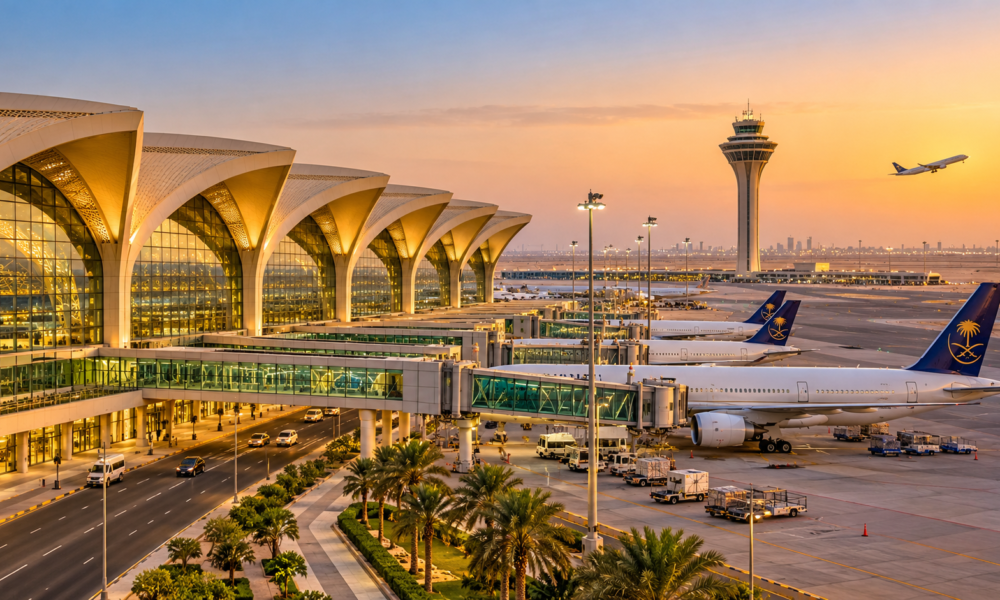
King Fahd International Airport in Dammam is an important part of Saudi Arabia’s transport network. It serves the Eastern Province and connects the region with domestic and international destinations. Its location also supports business travel, tourism and trade.
Airport capacity and operations
The airport is managed by Dammam Airports Company. Its published information lists an annual passenger capacity of 12.6 million. The airport handled a record 13.6 million passengers in 2025, showing the scale of demand for air travel in the region.
The airport connects passengers to more than 60 destinations and has links with over 40 airlines, according to the airport operator’s published information.
Why airport infrastructure matters
Airports need more than runways and terminals. They also depend on baggage systems, security checks, road access, parking, passenger services and reliable digital systems.
As passenger numbers grow, airport operators must plan for busy periods, efficient passenger movement and smooth connections between different transport services. These improvements can help passengers save time and support airlines in managing operations.
Role in regional development
King Fahd International Airport supports business and leisure travel in Saudi Arabia’s Eastern Province. Reliable air links can help businesses connect with customers, suppliers and international markets.
The airport’s wider economic role also depends on road connections, hotels, logistics facilities and other services around it.
What to watch next
Future developments should be assessed through official announcements from Dammam Airports Company and the relevant Saudi authorities. Important details include new routes, passenger traffic, terminal improvements and investment plans.
King Fahd International Airport remains an important transport asset for the region. Its future performance will depend on how effectively its facilities and services respond to changing travel demand.









No Comment! Be the first one.