






Singapore’s Urban Infrastructure: Transport, Housing and Smart Cities
Singapore is known for its planned urban development, public transport network and careful use of limited land. Its approach offers useful lessons for cities facing population growth, traffic and...

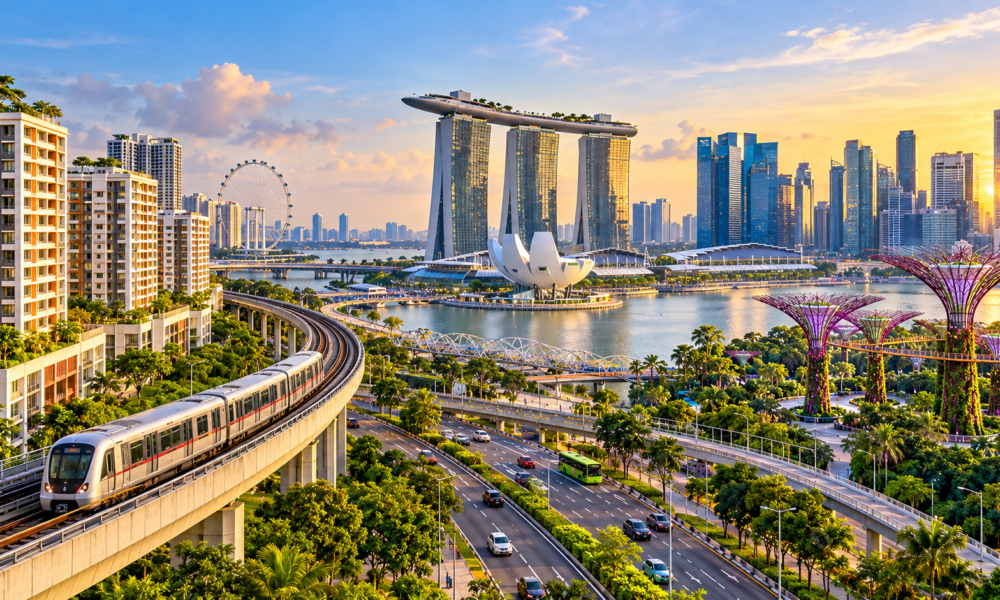
Singapore is known for its planned urban development, public transport network and careful use of limited land. Its approach offers useful lessons for cities facing population growth, traffic and pressure on public services.
Planning for a growing city
Cities need housing, roads, public transport, water, electricity and waste services. These systems must work together if people are to live and work comfortably.
Singapore uses long-term planning to connect housing areas with transport, shops and public facilities. This can reduce the need for long journeys and improve access to daily services.
Public transport and connectivity
Public transport is a key part of urban infrastructure. Rail and bus networks give residents alternatives to private cars and help connect homes with employment centres.
Reliable transport depends on regular maintenance, suitable capacity and good links between different services. Cities also need safe walking routes and facilities for people with different mobility needs.
Housing and land use
Land is limited in Singapore, so planning plays an important role in how homes, offices and public facilities are arranged. Housing developments work best when residents can reach schools, healthcare, parks and shops without unnecessary travel.
The wider lesson is that housing policy cannot be separated from transport and public services.
Technology and smart-city services
Digital systems can help manage traffic, public services and infrastructure maintenance. However, technology works best when it solves a clear problem and protects people’s data.
Cities must also plan for climate risks, water supply and energy use. These needs will become more important as urban populations and temperatures change.
Lessons for other cities
Singapore’s experience shows the value of long-term planning, public transport and joined-up infrastructure. Other cities cannot copy every policy directly because local budgets, laws and social needs differ.
Still, planners can learn from the principle of connecting housing, mobility and public services rather than treating them as separate projects.








No Comment! Be the first one.