







China vs India: What Their Infrastructure Strategies Reveal About Urban Development
India and China are two of Asia’s largest economies, but their infrastructure systems have developed in different ways. Both countries have invested in transport, housing, industrial areas and...


India and China are two of Asia’s largest economies, but their infrastructure systems have developed in different ways. Both countries have invested in transport, housing, industrial areas and urban services. Their experiences offer useful lessons for cities facing rapid population growth.
The comparison is not simply about which country builds faster. It is also about public transport, planning, access to basic services, environmental protection and the ability to maintain infrastructure over time.
Different Economic and Urban Conditions
The World Bank’s latest comparable data for 2025 puts India’s population at around 1.46 billion and China’s at around 1.41 billion. Their economic sizes and income levels are also different, which affects the resources available for public infrastructure.
India continues to face the challenge of expanding urban services while a large population moves to cities. Roads, drainage, affordable housing, water supply and public transport must keep pace with this growth.
China has developed extensive urban transport networks and industrial infrastructure over several decades. However, its experience also shows that large-scale construction must be supported by demand, maintenance and responsible financial planning.
Transport and Connectivity
Transport is a central part of infrastructure development in both countries. Highways and railways help move people and goods, while metro systems can reduce pressure on busy city roads.
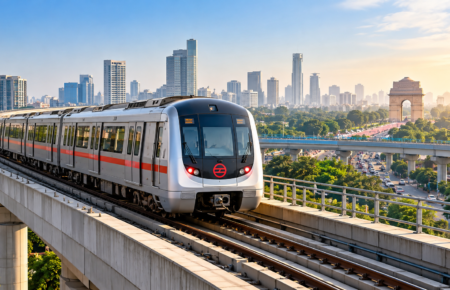
India has expanded its highway network and metro services in several cities. Dedicated freight corridors, airports and railway modernisation are also part of its wider connectivity plans.
China’s high-speed rail network is one of its best-known infrastructure developments. It has also built large urban rail systems and transport links between major economic centres.
However, India’s geography, population distribution, land acquisition processes and financing needs differ from China’s. Copying another country’s model without considering local conditions may not deliver the same results.
Urban Planning and Housing
Rapid urban growth creates pressure on housing, roads, water systems and waste management. India’s cities need to ensure that new residential areas are connected to public transport, schools, hospitals and employment centres.
China’s experience highlights the importance of coordinated planning, but it also demonstrates the risks of building beyond real demand. Infrastructure and housing projects must serve actual users rather than focus only on construction numbers.
For India, affordable housing and reliable public services remain important alongside premium residential and commercial developments.
Climate Resilience and Basic Services
Infrastructure must also withstand floods, heatwaves and other extreme weather events. Drainage, water storage, green spaces and resilient buildings are becoming increasingly important for both countries.
India’s urban development challenge includes expanding basic services while preparing cities for climate risks. China also faces environmental and climate-related pressures, particularly in densely populated urban areas.
Good planning requires regular maintenance, effective public institutions and long-term funding.
What Can India Learn?
India can study China’s transport integration, industrial connectivity and long-term infrastructure planning. It should also learn from the risks of poorly targeted investment and excessive construction.
The most useful approach is to adapt proven ideas to Indian cities, local budgets and public needs.
Infrastructure success should be measured not only by kilometres of roads or numbers of buildings, but also by reduced travel times, safer housing, cleaner water and better access to jobs.
For India’s property market, the lesson is clear: reliable infrastructure can make neighbourhoods more liveable, but its value depends on planning, affordability and long-term maintenance.






No Comment! Be the first one.