







Delhi Metro Network May Expand to 695 Km Under Delhi-2047 Plan
The proposal was discussed during the DDA’s 11th stakeholder consultation on 23 October. The plan also proposes expanding the NCR’s Namo Bharat network from 82 km to 383 km. However, these figures...

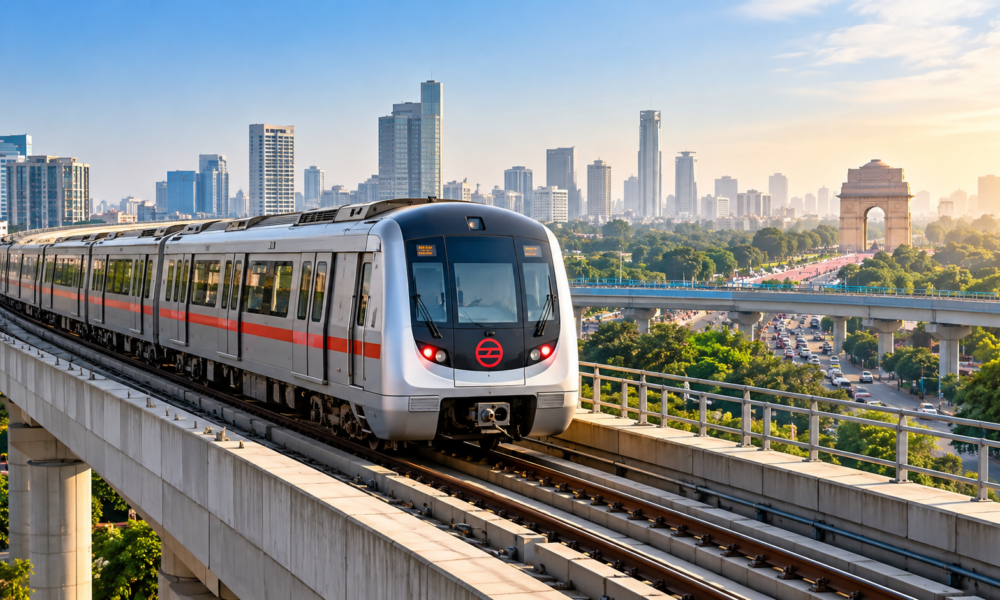
The proposal was discussed during the DDA’s 11th stakeholder consultation on 23 October. The plan also proposes expanding the NCR’s Namo Bharat network from 82 km to 383 km. However, these figures describe proposed long-term network sizes, not completed construction or an immediate expansion schedule.
Delhi-2047 Plan Focuses on Public Transport
The proposed Master Plan for Delhi-2047 aims to address the transport challenges created by the capital’s growing population, expanding residential areas and increasing demand for road travel.
A larger Metro network could help connect more residential neighbourhoods with employment centres, commercial districts, educational institutions and major transport terminals. Better public transport access could also reduce dependence on private cars and two-wheelers for everyday journeys.
However, the actual benefits would depend on which routes receive approval, when construction begins and how well new stations connect with existing transport services.
Namo Bharat Network Also Proposed to Expand
The proposed increase in the Namo Bharat network is another major element of the regional transport strategy. Regional rapid transit services are designed to connect Delhi with important urban centres across the NCR.
Expanding these services could make longer-distance commuting easier for people travelling between Delhi and surrounding cities. It could also improve access to employment hubs and support more integrated regional development.
The plan also identifies major transport hubs, including Sarai Kale Khan, Anand Vihar and Kashmere Gate, for stronger multimodal integration. These locations could help passengers transfer more conveniently between different public transport systems.
Better Last-Mile Connectivity Remains Important
Expanding rail networks alone may not solve Delhi’s traffic problems. Passengers also need convenient ways to travel between stations and their homes or workplaces.
The DDA’s proposals include developing approximately 200 km of cycle tracks, improving pedestrian infrastructure and strengthening last-mile connectivity. Better parking management, road improvements and junction upgrades are also part of the broader transport discussion.
These measures could help make public transport more practical for everyday users. Safe footpaths, accessible stations, reliable feeder services and well-planned interchange points can influence whether commuters choose public transport over private vehicles.
What It Could Mean for Delhi-NCR
If implemented effectively, the proposed network expansion could improve regional mobility and support more coordinated urban development. Better transport links may also influence where businesses establish offices and where housing demand grows over time.
However, the proposal should not be interpreted as a guarantee of rising property prices or an immediate reduction in congestion. Construction costs, land availability, funding, approvals and coordination between agencies will influence the final outcome.
The next important step is to understand which projects receive formal approval, their funding arrangements and their implementation timelines.
For residents and businesses, the proposed Delhi-2047 transport plan signals a long-term focus on public transport. Its success will ultimately depend on turning planning discussions into accessible, reliable and well-integrated transport services.






No Comment! Be the first one.