








India’s Data Centre Capacity Could Reach 2 GW by the End of 2026
India’s operational data centre capacity is on track to reach 2 gigawatts (GW) by the end of 2026, supported by growing demand for digital services, cloud computing and artificial intelligence (AI)....

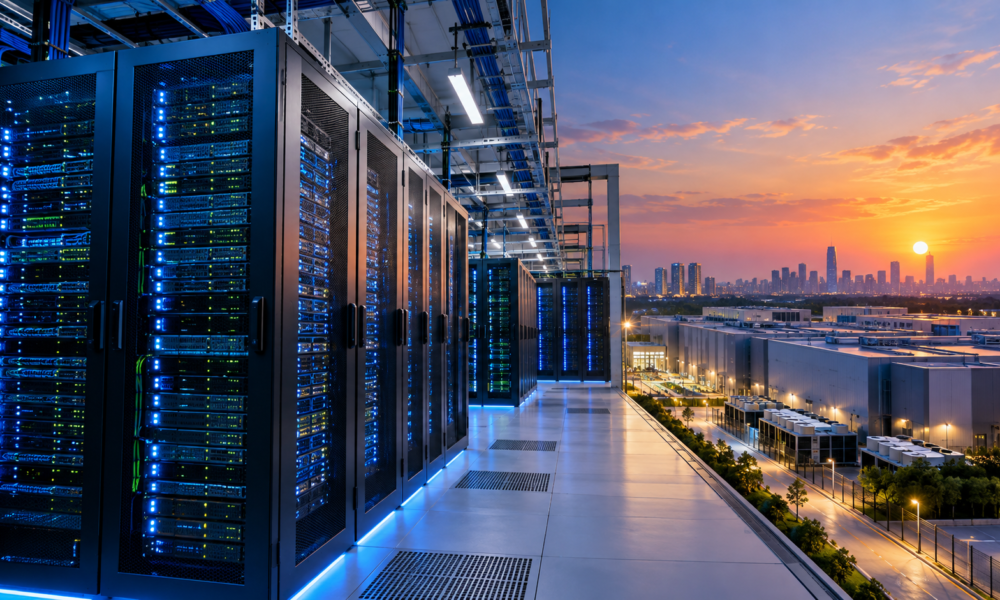
India’s operational data centre capacity is on track to reach 2 gigawatts (GW) by the end of 2026, supported by growing demand for digital services, cloud computing and artificial intelligence (AI). The market added approximately 130 megawatts (MW) of new capacity during the first half of the year, while more than 200 MW was expected to become operational in the second half, according to industry estimates.
The projected growth highlights the increasing importance of data centres to India’s digital infrastructure. However, the 2 GW figure is a forecast, not a confirmed year-end result.
Mumbai Remains India’s Leading Data Centre Hub
Mumbai accounted for approximately 94% of the new data centre supply added in India during the first half of 2026, according to the report. Its established connectivity and position as a major financial and commercial centre continue to support its importance in the sector.
Data centres house the computer servers and related equipment that store, process and distribute digital information. They support online payments, banking, e-commerce, business software, streaming platforms and cloud services.
As businesses use more digital tools, demand for secure and reliable computing infrastructure is also increasing. Data centres help companies manage large volumes of information while supporting applications that need continuous availability.
Investment Commitments Reflect Growing Demand
India’s data centre sector attracted approximately US$38 billion in investment commitments during the first half of 2026. This brought cumulative commitments since 2021 to around US$173 billion, according to the reported industry estimates.
These figures represent investment commitments, not necessarily money already spent or projects already completed. Actual delivery depends on financing, land acquisition, construction, equipment availability and regulatory approvals.
Hyperscale facilities and colocation services have attracted a significant share of investment. Hyperscale data centres provide large computing capacity for major technology companies, while colocation facilities allow businesses to rent space, power and supporting infrastructure for their own servers.
Artificial Intelligence Is Adding to Infrastructure Needs
AI is becoming an important factor in data centre investment. AI applications can require substantial computing power, specialised chips and advanced cooling systems.
The industry report indicated that AI-related projects accounted for more than 15% of cumulative investment commitments between 2021 and the first half of 2026.
As AI adoption grows, developers will need to consider more than the size of a facility. Reliable electricity supply, efficient cooling, fibre connectivity and the ability to scale computing capacity are also essential.
Power and Land Will Influence Future Growth
The expansion of data centres creates new demands on physical infrastructure. Facilities require dependable electricity, backup systems, cooling equipment, secure buildings and high-speed network connections.
Access to suitable land and power infrastructure can influence where developers establish new facilities. Water availability and energy efficiency are also important, particularly where cooling systems place additional pressure on local resources.
For policymakers and infrastructure planners, the challenge is to support digital growth while ensuring that power networks, connectivity and environmental safeguards keep pace.
What Comes Next for India’s Data Centre Market?
India’s projected move towards 2 GW of operational capacity would represent an important milestone for its digital infrastructure industry. Yet capacity growth will need to be matched by reliable utilities, skilled workers and responsible resource management.
Mumbai is likely to remain an important market, while opportunities may also emerge in other cities with suitable connectivity and power infrastructure.
The key question for 2027 and beyond is whether announced investments can translate into operational facilities at the expected pace. Tracking completed projects, actual capacity additions and electricity requirements will provide a clearer picture of the sector’s progress.






No Comment! Be the first one.