







Amaravati Infrastructure Development: 97 of 119 Major Projects Underway as Andhra Pradesh Pushes Capital Construction
AMARAVATI, October 31, 2026: Andhra Pradesh’s ambitious plan to develop Amaravati as its permanent capital is progressing, with construction underway on 97 of 119 major infrastructure projects...

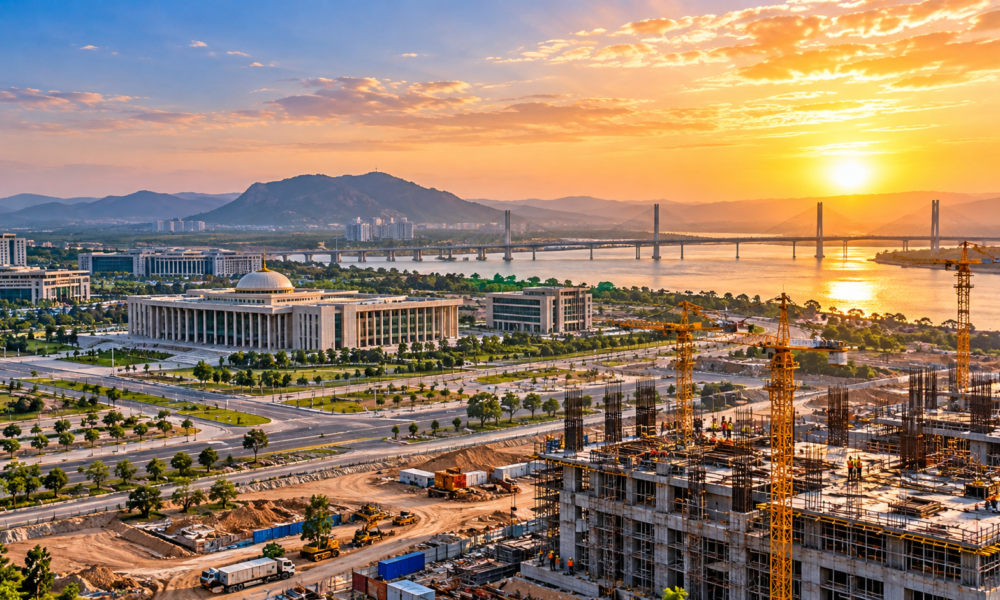
AMARAVATI, October 31, 2026: Andhra Pradesh’s ambitious plan to develop Amaravati as its permanent capital is progressing, with construction underway on 97 of 119 major infrastructure projects valued at approximately ₹66,802 crore, according to figures presented by the state government.
The development programme includes government buildings, roads, transport infrastructure, residential facilities and other urban development projects. The government has also secured substantial financial assistance from domestic and international institutions to support the capital’s construction.
According to information presented by Municipal Administration and Urban Development Minister P Narayana in the Andhra Pradesh Legislative Assembly in August, four projects had been completed, while 93 remained under construction.
Amaravati infrastructure projects receive major financial support
The state government has secured approximately ₹41,187.70 crore in loan funding from institutions including the World Bank, HUDCO, NABARD, National Bank for Financing Infrastructure and Development (NaBFID), and Andhra Pradesh Power Finance Corporation.
The government also reported expenditure of approximately ₹12,731.13 crore on capital development since 2024.
These investments are intended to support the construction of essential infrastructure required for a functioning administrative capital.
The financing arrangements are particularly important because large-scale capital projects require long-term funding, coordinated execution and consistent monitoring.
Roads and connectivity remain important priorities
Transport connectivity is an essential component of Amaravati’s development strategy.
The proposed Outer Ring Road is expected to improve regional connectivity and facilitate movement between the capital region and surrounding urban and economic centres.
Rail connectivity is another important part of the development programme. Better transport links can improve accessibility for government employees, businesses, residents and visitors.
The expansion of road and railway infrastructure is also expected to support commercial development around the capital region.
Government buildings and urban infrastructure
The development programme includes major administrative buildings, residential facilities and supporting urban infrastructure.
These facilities are intended to accommodate government departments and provide the physical infrastructure required for administrative operations.
The capital’s development also involves completing land-pooling commitments and developing residential layouts for farmers who contributed land to the project.
The government has reported that 71,299 returnable plots have been allotted to 30,173 participating farmers.
What Amaravati’s development means for Andhra Pradesh
The construction of Amaravati has implications beyond government administration.
Large infrastructure investments can create opportunities for construction companies, engineering firms, cement manufacturers, steel producers, logistics providers and real estate developers.
Improved connectivity and public infrastructure can also encourage commercial investment and employment generation.
However, the project’s long-term success will depend on timely execution, financial discipline, transparent procurement and the creation of sustainable urban infrastructure.
The government has presented Amaravati as a long-term capital development project. Its progress will ultimately be measured by completed infrastructure, functioning public services and the city’s ability to attract residents and businesses.







No Comment! Be the first one.