





AI Infrastructure in India: Data Centre Investments, Computing Capacity and the Power Challenge
India’s artificial intelligence ambitions are creating a new infrastructure requirement: large-scale computing facilities capable of processing enormous volumes of data. Data centres,...


India’s artificial intelligence ambitions are creating a new infrastructure requirement: large-scale computing facilities capable of processing enormous volumes of data. Data centres, high-performance servers, semiconductor manufacturing, cloud platforms and reliable electricity networks are becoming central to this expansion.
The scale of the opportunity is reflected in the country’s growing data centre capacity. According to a Press Information Bureau update published on September 14, 2026, India’s installed data centre power capacity increased from approximately 375 MW in 2020 to 1.57 GW as of August 2026. It is projected to reach nearly 8 GW by 2030.
The same government update said investments of nearly $70 billion were underway in the sector, with another $90 billion in announced projects. These figures indicate the scale of investment interest, although announced projects should not be treated as completed capacity.
Why AI needs more infrastructure
AI applications require substantial computing power. Training large models and operating generative AI services involve specialised processors, high-performance servers, storage systems and fast networks.
Data centres bring these components together. They provide the physical facilities where cloud computing, digital payments, online services and AI applications operate. As businesses adopt AI tools, demand for computing capacity and secure data storage is likely to increase.
India’s data centre growth is concentrated in established technology and commercial hubs such as Mumbai, Navi Mumbai, Chennai, Hyderabad, Bengaluru, Delhi NCR and Jamnagar. New investment destinations are also emerging in states including Andhra Pradesh, Madhya Pradesh, Chhattisgarh and West Bengal, according to the Ministry of Electronics and Information Technology.
Government policies support expansion
The government has introduced several measures to strengthen the digital infrastructure ecosystem. Data centres were included in the Harmonised List of Infrastructure in 2022, improving their access to infrastructure financing.
The Union Budget 2026–27 also introduced a tax holiday until 2047 for eligible foreign cloud service providers using India-based data centre infrastructure for global operations, subject to the specified conditions.
Other initiatives support the wider technology supply chain. The IndiaAI Mission has an approved outlay of ₹10,371.92 crore, while the second phase of the Semicon India Programme was approved with an outlay of ₹1,27,500 crore in July 2026. These programmes address different parts of the technology ecosystem, from computing and AI development to semiconductor manufacturing.
The electricity challenge
The expansion also creates a major power requirement. The Ministry of Power has estimated that data centres could require approximately 17 GW of electricity by 2031–32. A separate July 2026 report by The Indian Express cited a higher projection of 26.3 GW for additional AI data centre load by that period. The estimates refer to different scopes and should not be treated as interchangeable.
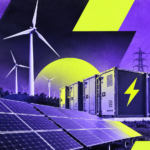
This demand makes grid capacity, transmission infrastructure and reliable electricity supply important considerations for developers. Renewable energy procurement and energy storage could help meet part of the requirement, but the timing and location of power supply will matter.
What comes next?
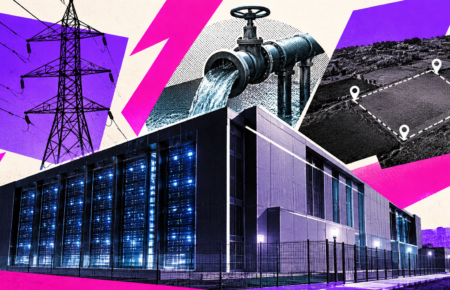
India’s AI infrastructure opportunity extends beyond constructing server facilities. It will require investment in electricity generation, transmission networks, cooling systems, fibre connectivity, skilled workers and semiconductor supply chains.
The challenge is to expand computing capacity while managing energy use, water consumption and environmental impact. If these requirements are addressed together, data centres could become an important part of India’s digital and industrial infrastructure.








No Comment! Be the first one.