





Census 2027: How India’s Population Data Could Reshape Urban Planning, Housing and Infrastructure
India’s upcoming Census 2027 could provide an important foundation for the country’s next phase of urban development. From housing and transportation to water supply, sanitation and...

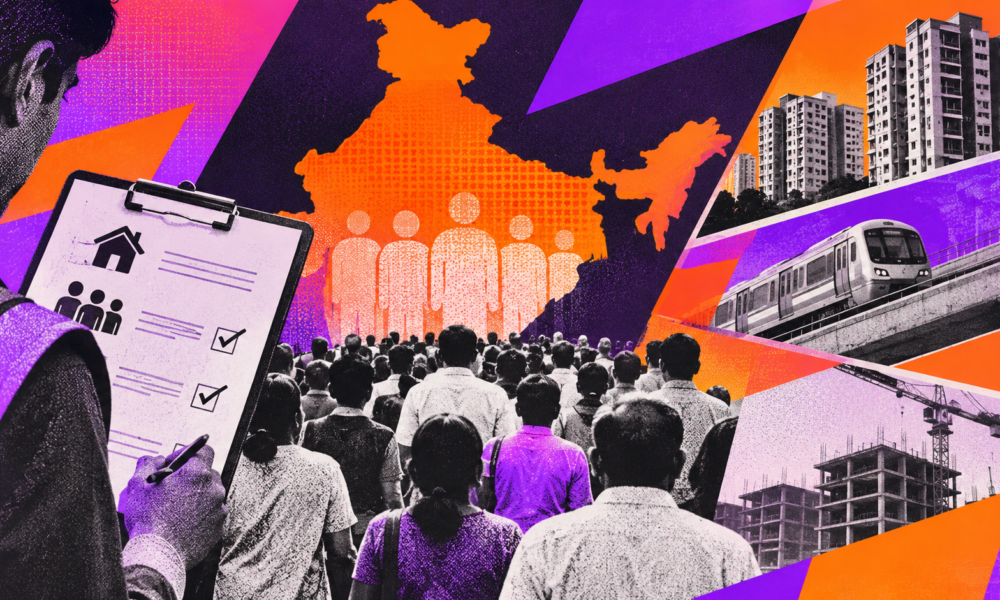
India’s upcoming Census 2027 could provide an important foundation for the country’s next phase of urban development. From housing and transportation to water supply, sanitation and public infrastructure, population data plays a crucial role in determining where resources are required and how cities should expand.
With India’s last population Census conducted in 2011, the upcoming exercise is particularly significant for policymakers, urban planners, infrastructure developers and local administrations.
Why Census 2027 Matters for Urban Development
Population growth, migration and changing household structures influence the demand for housing, roads, public transport, electricity, healthcare facilities and educational institutions.
Accurate demographic information helps governments understand where populations are concentrated, how communities are changing and which regions require additional public investment.
For rapidly expanding urban centres, this information can support decisions involving residential development, road connectivity, public utilities and civic infrastructure.
However, Census data is not a substitute for local planning surveys. Its value lies in providing a wider statistical foundation for infrastructure and development policies.
Two Phases of Census 2027
The Government of India is conducting Census 2027 in two phases.
The first phase, known as the Houselisting and Housing Census, collects information about housing conditions, household amenities and assets. This phase has been completed across 35 States and Union Territories, except Manipur, according to the Ministry of Home Affairs’ November 2026 update.
The second phase, Population Enumeration, collects individual-level demographic and socio-economic information, including education, migration and fertility-related particulars.
The exercise is also adopting digital data collection methods and introducing self-enumeration for households.
According to the Press Information Bureau, residents in Uttar Pradesh, Punjab, Goa and non-snow-bound areas of Uttarakhand can complete self-enumeration until November 30, 2026. Door-to-door population enumeration in these areas is scheduled from December 1, 2026, to January 4, 2027.
How Census Data Could Influence India’s Infrastructure
- Housing and residential development
Household information can help policymakers assess housing conditions, amenities and residential requirements. This can support more informed decisions about affordable housing, urban renewal and future residential infrastructure.
- Roads and public transportation
Population distribution and migration patterns can help planners understand where transport demand may be increasing. Such information can inform future decisions about road connectivity, public transport networks and urban mobility.
- Water supply and sanitation
Household amenities provide an important picture of access to essential services. This information can help identify infrastructure gaps and guide discussions around drinking water, drainage and sanitation improvements.
- Regional development and migration
Migration information can help policymakers understand population movements between regions. This matters because growing urban populations can increase pressure on housing, employment opportunities and civic services.
What It Could Mean for Real Estate and Infrastructure Developers
For real estate developers and infrastructure companies, updated population information could provide useful context for understanding regional demand.
Areas experiencing population growth may require additional residential supply, transport connectivity and public utilities. However, demographic growth alone does not guarantee real estate demand or project viability. Employment, household incomes, land availability and infrastructure access also influence development decisions.
The Road Ahead
Census 2027 is more than a population-counting exercise. It represents an opportunity to strengthen the statistical foundation behind India’s infrastructure and urban development decisions.
Its long-term value will depend on the quality of collected information, responsible data analysis and how effectively governments translate findings into public investment and planning.
As Indian cities continue to expand, reliable population and housing data could become an increasingly important tool for building more connected, inclusive and sustainable urban environments.







No Comment! Be the first one.