





India’s Railway Infrastructure Revolution: How New Rail Corridors Are Transforming Urban Connectivity
Railways have played an important role in India’s economic and social development for more than a century. They connect cities, transport goods and provide affordable travel to millions of...

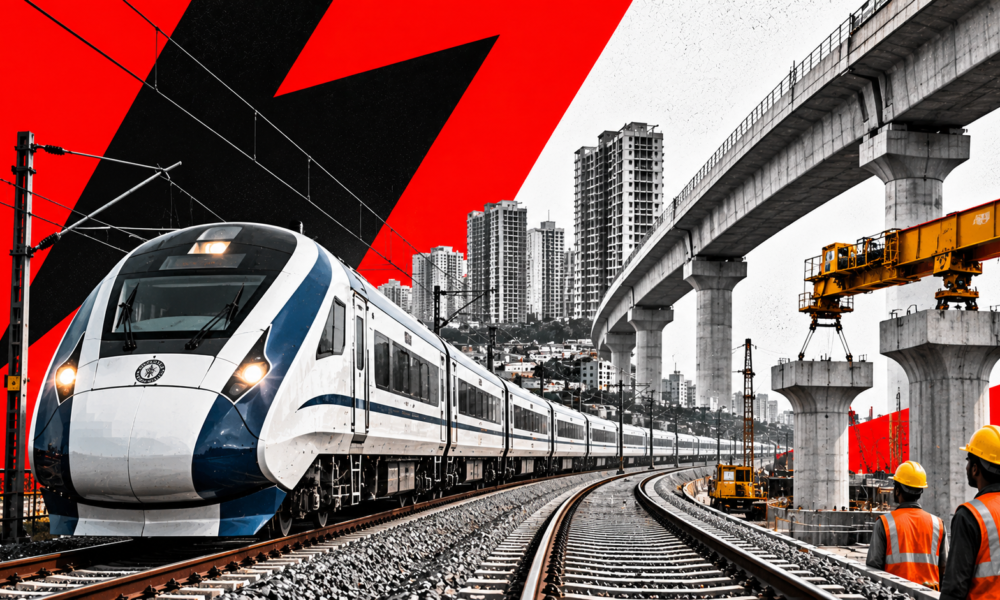
Railways have played an important role in India’s economic and social development for more than a century. They connect cities, transport goods and provide affordable travel to millions of passengers.
Today, India is investing in modern railway infrastructure to improve connectivity, reduce travel time and support economic growth.
New railway corridors, freight networks and high-speed rail projects are expected to influence how people and businesses move across the country.
Why Railway Infrastructure Matters
Railways are important because they connect major economic centres with smaller cities and towns.
For passengers, better railway connectivity can reduce travel time and improve access to employment, education and healthcare.
For businesses, railways provide an important way to transport raw materials, industrial products and consumer goods.
Efficient freight transportation can also reduce pressure on roads and support supply chain operations.
This makes railway infrastructure an important part of India’s overall development strategy.
India’s New High-Speed Rail Ambitions
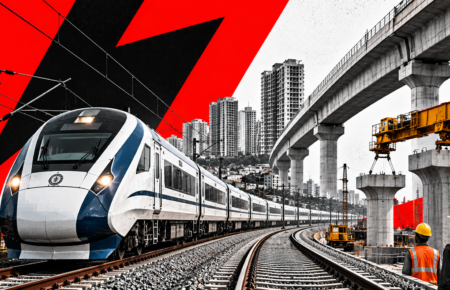
The Union Budget 2026-27 has placed greater emphasis on high-speed railway connectivity.
The government has announced seven proposed high-speed rail corridors connecting important cities.
These include:
Mumbai–Pune
Pune–Hyderabad
Hyderabad–Bengaluru
Hyderabad–Chennai
Chennai–Bengaluru
Delhi–Varanasi
Varanasi–Siliguri
These corridors are intended to improve regional connectivity and support economic activity.
However, proposed corridors should not be confused with completed railway projects. Their development depends on planning, feasibility studies, financing and approvals.
The Importance of Dedicated Freight Corridors
Passenger connectivity is only one part of railway modernisation.
Freight transportation is equally important for India’s industrial economy.
Dedicated Freight Corridors are designed to improve the movement of goods by providing specialised railway infrastructure.
The Union Budget 2026-27 also announced a new 2,052-kilometre Dedicated Freight Corridor between Dankuni in West Bengal and Surat in Gujarat.
Such infrastructure can help industries transport goods more efficiently.
It can also support manufacturing centres, ports, warehouses and logistics parks.
How Railways Influence Real Estate Development
Improved connectivity can change the attractiveness of different locations.
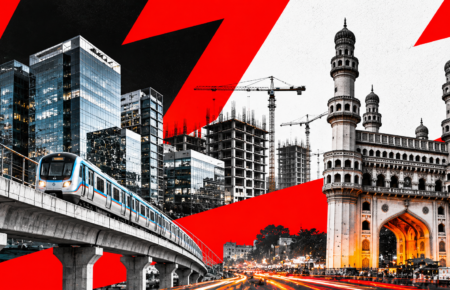
Areas near railway stations and transport hubs may become more attractive for residential, commercial and industrial development.
Businesses often consider transportation access when selecting locations for offices, warehouses and manufacturing facilities.
Similarly, better passenger connectivity can make areas outside major city centres more accessible to workers.
However, railway development alone does not guarantee real estate growth. Local employment opportunities, roads, utilities and urban planning also matter.
Challenges Facing Railway Expansion
Railway infrastructure projects require large investments and careful planning.
Land acquisition, environmental approvals, construction costs and coordination between government agencies can influence project timelines.
Safety is another major priority. Modern signalling systems, track maintenance and station improvements are essential for reliable operations.
The integration of railway stations with buses, metro systems and other transport options is also important.
India’s railway infrastructure expansion represents an important opportunity for economic development.
High-speed rail proposals and freight corridors can improve connectivity, support industrial growth and create opportunities for surrounding regions.
However, successful implementation will depend on funding, planning, safety and timely execution.
The future of Indian Railways will be measured not only by new tracks but also by how effectively they connect people, businesses and cities.






No Comment! Be the first one.