







India’s Commercial Real Estate Market: Why Grade-A Office Spaces Are Attracting Corporate Investment
India’s commercial real estate market is changing as companies look for modern office spaces that support technology, employee productivity and business expansion. Grade-A office buildings are...

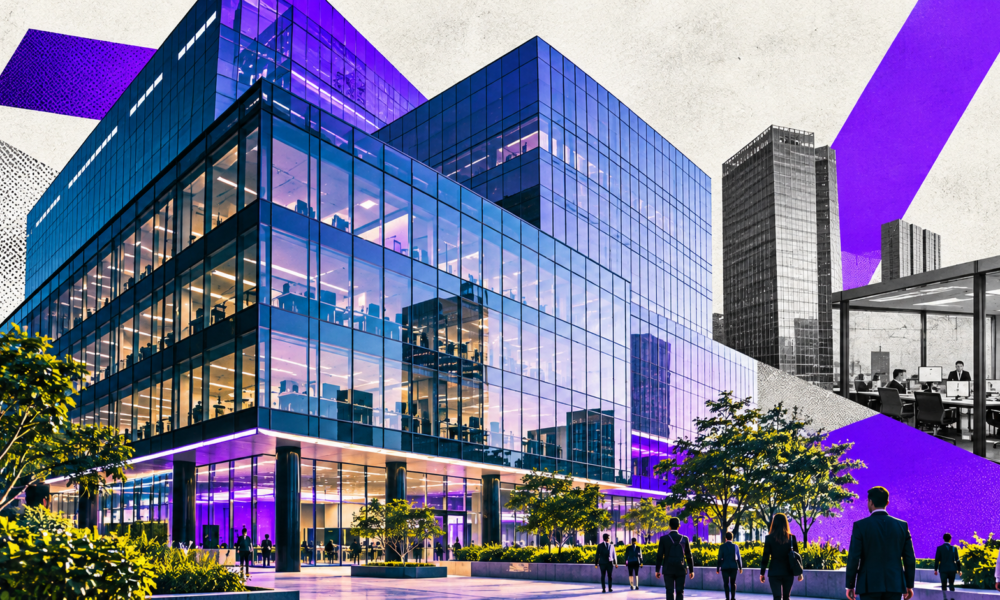
India’s commercial real estate market is changing as companies look for modern office spaces that support technology, employee productivity and business expansion.
Grade-A office buildings are becoming important choices for multinational companies, financial institutions and Global Capability Centres.
Cities such as Delhi NCR and Hyderabad are part of this changing commercial property landscape.
The demand for modern office infrastructure reflects the growing importance of India as a business and technology destination.
What Are Grade-A Office Spaces?
Grade-A offices are generally considered premium commercial properties.
They are designed to offer modern facilities, quality construction and professional working environments.
These buildings may include advanced security systems, efficient elevators, reliable power backup, modern ventilation, parking facilities and high-speed connectivity.
Many also focus on energy efficiency and sustainable building practices.
For large companies, these features can improve workplace operations and support employee requirements.
Why Are Companies Choosing Modern Office Buildings?
Companies need office spaces that support different business activities.
Technology firms require reliable internet connectivity, power infrastructure and secure working environments.
Financial institutions may prioritise safety, accessibility and modern building management systems.
Global Capability Centres also need office environments that can support specialised teams and large employee groups.
As businesses expand, their property decisions increasingly involve factors such as location, infrastructure quality, operating costs and access to skilled workers.
Delhi NCR and Hyderabad: Important Commercial Markets
Delhi NCR is one of India’s major commercial real estate markets.
Gurugram and Noida have developed important office districts with access to corporate facilities, transport networks and residential areas.
According to JLL’s Delhi NCR office market report, gross leasing in the region reached 3.55 million square feet in Q2 2026.
The report also recorded a Grade-A office stock of 167.2 million square feet.
Hyderabad is another important office destination.
Its technology and financial districts attract companies looking for access to skilled professionals and established business infrastructure.
JLL’s India office market research for 2026 also identifies Hyderabad as an important contributor to national leasing activity.
The Role of Global Capability Centres
Global Capability Centres, commonly known as GCCs, are offices established by international companies to manage important business functions.
These centres may work in technology, finance, research, engineering and customer operations.
India has become an important destination for GCCs because of its skilled workforce, technology ecosystem and business infrastructure.
Their expansion creates demand for modern office buildings and supporting commercial facilities.
Challenges Facing the Commercial Property Market
The office market also faces challenges.
Companies must balance rental costs, workplace requirements and changing employee expectations.
The growth of hybrid working has influenced how businesses plan their office space.
Developers must also consider construction costs, energy efficiency and sustainability requirements.
Buildings that offer strong infrastructure and efficient operations may have an advantage in attracting long-term corporate tenants.
Conclusion
Grade-A office spaces are becoming an important part of India’s commercial real estate market.
Delhi NCR and Hyderabad demonstrate how corporate expansion, technology businesses and infrastructure development can influence demand for modern workplaces.
The future of commercial property will depend on more than location and appearance. Building quality, connectivity, sustainability and workplace efficiency will also matter.
For developers and investors, understanding these changing requirements will be essential.






No Comment! Be the first one.