








Karnataka’s Bengaluru Suburban Rail Project Expected to Redefine Daily Commuting
For years, Bengaluru’s rapid growth has been accompanied by one persistent challenge: traffic congestion. As the city continues to expand as India’s technology capital, transportation...

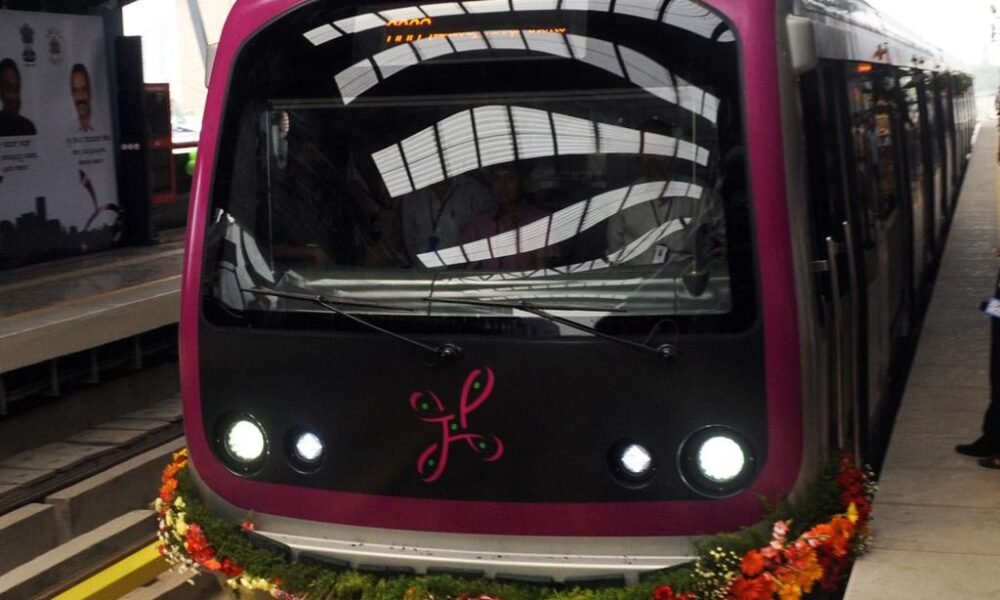
For years, Bengaluru’s rapid growth has been accompanied by one persistent challenge: traffic congestion. As the city continues to expand as India’s technology capital, transportation planners are increasingly looking towards suburban rail infrastructure as a long-term solution.
The Bengaluru Suburban Rail Project has emerged as one of Karnataka’s most significant urban infrastructure initiatives, with officials expecting it to transform how millions of residents travel across the metropolitan region in the coming years.
Unlike metro systems that primarily serve dense urban corridors, suburban rail networks are designed to connect city centres with surrounding towns and rapidly developing residential zones. Infrastructure experts believe this distinction could make the project particularly important for Bengaluru, where many professionals commute long distances between home and workplace.
The city’s growth has pushed residential development far beyond traditional urban boundaries. Areas once considered peripheral are now major housing hubs, creating increasing pressure on road networks that were never designed to handle current traffic volumes.
Urban planners argue that suburban rail infrastructure can help address multiple challenges simultaneously. By providing faster and more predictable travel options, rail connectivity can reduce dependence on private vehicles while improving access to employment centres.
The project’s potential impact extends beyond transportation. Improved connectivity often influences real estate patterns, business investment and regional development. Areas linked by efficient public transport systems frequently attract commercial activity and witness stronger economic growth.
Industry observers note that Bengaluru’s infrastructure challenges are closely watched across India because many growing cities face similar pressures. The success of the suburban rail project could provide valuable lessons for other metropolitan regions seeking sustainable mobility solutions.
Officials say the project will eventually integrate with existing metro, bus and railway services, creating a more connected transportation ecosystem for commuters.
As Bengaluru continues to grow, experts believe transportation infrastructure will play a critical role in determining the city’s future competitiveness, quality of life and economic productivity.
For Karnataka, the suburban rail project represents more than a transportation investment—it is increasingly being viewed as a key component of the state’s long-term urban development strategy.









No Comment! Be the first one.