







CtrlS Announces ₹10,000 Crore Data Centre Investment in Bihar: Can Eastern India Become India’s Next Digital Infrastructure Hub?
India’s data centre expansion is moving beyond traditional technology hubs, with eastern India emerging as a potential destination for large-scale digital infrastructure investments. The latest...


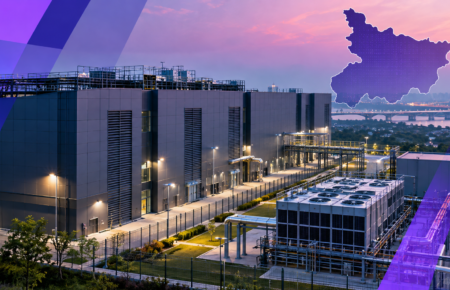
India’s data centre expansion is moving beyond traditional technology hubs, with eastern India emerging as a potential destination for large-scale digital infrastructure investments. The latest development comes from CtrlS Datacenters, which has signed an agreement with the Bihar government to invest ₹10,000 crore in a 150 MW data centre project.
Announced on November 20, 2026, the investment represents a significant development for Bihar’s infrastructure ambitions. It also highlights how India’s growing demand for artificial intelligence (AI), cloud computing and digital services is creating opportunities beyond established markets such as Mumbai, Chennai, Hyderabad and Bengaluru.
Reuters
Why Is Bihar Attracting Data Centre Investment?
Data centres are specialised facilities that store, process and distribute digital information. They support everything from online banking and e-commerce to artificial intelligence applications, cloud services and enterprise software.
Their expansion depends on several infrastructure requirements, including reliable electricity, high-speed connectivity, land availability, cooling systems and access to skilled technical personnel.
For a state such as Bihar, a large-scale data centre investment could strengthen its position in India’s developing digital infrastructure ecosystem.
The project also raises an important question: can eastern India become a competitive alternative to the country’s established data centre markets?
Traditionally, major data centre developments have concentrated around Mumbai, Chennai, Hyderabad and Delhi-NCR. These markets benefit from established connectivity networks, enterprise demand, power infrastructure and proximity to major business centres.
However, expanding into additional regions could help companies diversify infrastructure locations and improve geographical resilience.
India’s Data Centre Industry Is Entering an Investment Supercycle
The CtrlS announcement comes at a time when India’s data centre industry is witnessing substantial investment activity.
According to CRISIL Ratings, India’s installed data centre capacity could increase fivefold to approximately 7.5 GW by March 2030. The expansion could attract investments exceeding ₹3 lakh crore over four financial years.
The growth is being driven by generative AI, enterprise digitalisation, cloud adoption and increasing data consumption.
The scale of investment suggests that data centres are becoming an important component of India’s broader infrastructure development strategy.
CRISIL
Infrastructure Challenges Could Determine Project Success
Despite the investment opportunity, establishing a large data centre requires more than land and financial commitments.
Electricity availability remains one of the biggest considerations. Data centres operate continuously and require dependable power supply, backup systems and efficient energy management.
Cooling is another critical requirement. High-performance computing infrastructure generates substantial heat, particularly when facilities support AI workloads.
Connectivity is equally important. Businesses require low-latency networks and reliable links to other data centres, cloud platforms and customers.
For Bihar, developing these supporting systems will be essential to translating the announced investment into operational infrastructure.
What Could This Mean for Eastern India’s Real Estate Market?
A major data centre development could create opportunities across several related sectors.
Industrial land, power infrastructure, fibre-optic networks, construction services, equipment manufacturing and technical maintenance could all benefit from the development of a larger digital infrastructure ecosystem.
The project could also encourage additional investment from technology companies and infrastructure operators evaluating emerging markets.
However, the long-term economic impact will depend on project execution, employment generation, local procurement and the development of supporting infrastructure.
The Road Ahead
CtrlS’s proposed investment represents an important opportunity for Bihar to participate in India’s digital infrastructure expansion.
But the bigger challenge will be creating an ecosystem capable of supporting large-scale data centre operations.
If power availability, connectivity, cooling infrastructure and regulatory support develop alongside the project, Bihar could strengthen its position in India’s emerging digital economy.
The next phase of India’s data centre growth may not simply be about building larger facilities. It could be about identifying entirely new regions capable of supporting the country’s expanding digital requirements.





No Comment! Be the first one.