






Delhi-NCR Unveils Ambitious Plan for Eight New Cities and Faster Regional Connectivity
A major infrastructure vision for the National Capital Region (NCR) is taking shape as planners prepare a long-term development strategy that includes the creation of eight new cities and a...

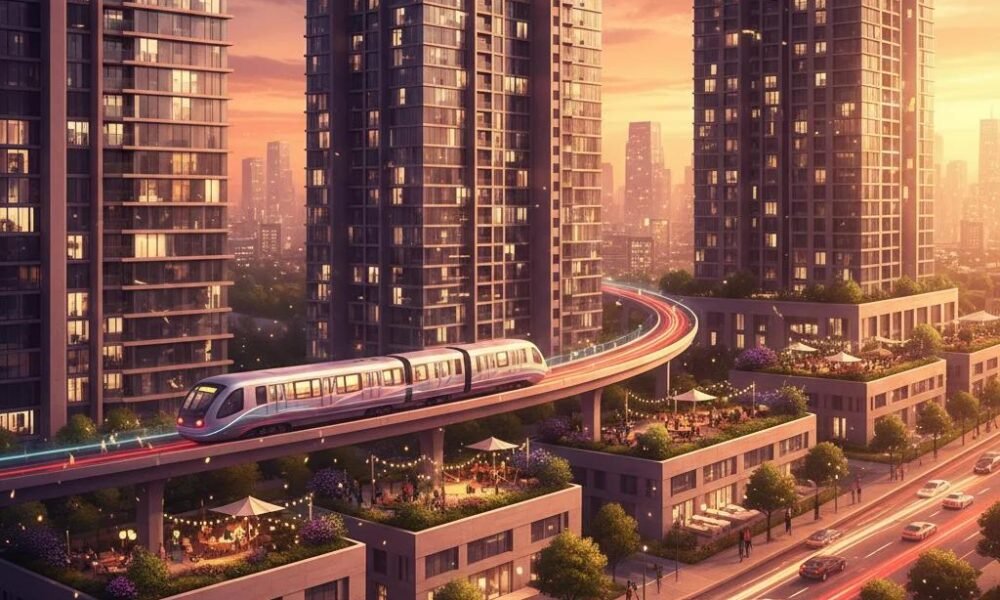
A major infrastructure vision for the National Capital Region (NCR) is taking shape as planners prepare a long-term development strategy that includes the creation of eight new cities and a significant overhaul of regional transportation networks. The proposed Regional Plan 2041 aims to accommodate future population growth, improve mobility and reduce pressure on existing urban centers across Delhi-NCR.
According to the draft plan, the new urban centers are expected to function as self-sustaining growth hubs with integrated residential, commercial and industrial infrastructure. The initiative is designed to address rising urbanization challenges while promoting more balanced regional development. Urban planners believe that distributing economic activity across multiple growth centers can help reduce congestion in core metropolitan areas and improve overall quality of life.
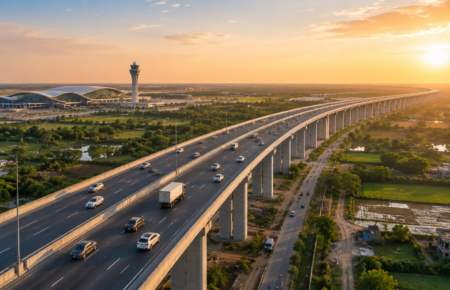
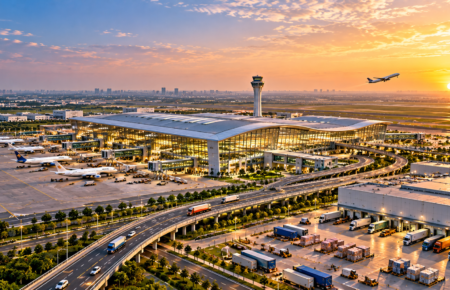
One of the most significant objectives of the proposal is improving regional connectivity. Authorities are targeting travel times of approximately 30 minutes between Delhi and major NCR cities through upgraded transportation infrastructure and enhanced mobility networks. Improved road, rail and transit connectivity is expected to play a critical role in supporting economic activity and facilitating movement across the region.
The infrastructure blueprint draws inspiration from global urban development models and emphasizes integrated planning rather than isolated city expansion. Experts note that future urban infrastructure will require stronger coordination between housing, transportation, utilities and employment centers to accommodate population growth sustainably.
The proposal comes at a time when Delhi-NCR continues to experience rapid demographic expansion. Forecasts indicate that the region could become one of the world’s largest urban agglomerations in the coming years, creating increased demand for housing, transportation, public services and social infrastructure. Policymakers view long-term planning as essential to preventing infrastructure deficits and maintaining economic competitiveness.
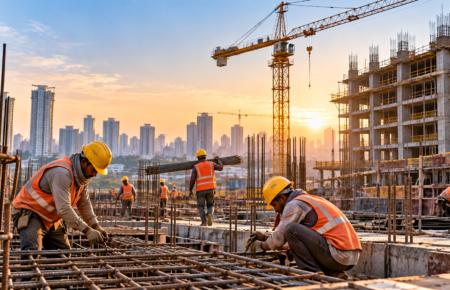
Infrastructure developers and industry stakeholders are closely monitoring the plan due to its potential impact on construction, transportation and real estate sectors. Large-scale urban development projects often generate significant demand for roads, utilities, public transport systems and commercial infrastructure, creating opportunities across multiple industries.
However, experts also highlight the challenges associated with projects of this scale. Land acquisition, environmental considerations, financing requirements and inter-state coordination will be critical factors influencing implementation. Successful execution will require sustained collaboration between governments, planning agencies and private sector participants.
Despite these challenges, the proposal represents one of the most ambitious regional infrastructure initiatives currently under consideration in India. If implemented effectively, it could reshape urban development patterns across North India while improving connectivity and supporting long-term economic growth.
As infrastructure remains central to India’s development strategy, the Delhi-NCR Regional Plan 2041 highlights the increasing importance of forward-looking urban planning in addressing future population and mobility demands.





No Comment! Be the first one.