





India’s First Greenfield Refinery Marks a New Chapter in Energy Infrastructure
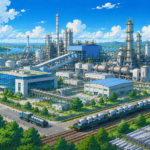
India has taken a major step towards strengthening its energy infrastructure with the inauguration of the country’s first greenfield integrated refinery and petrochemical complex in Rajasthan....

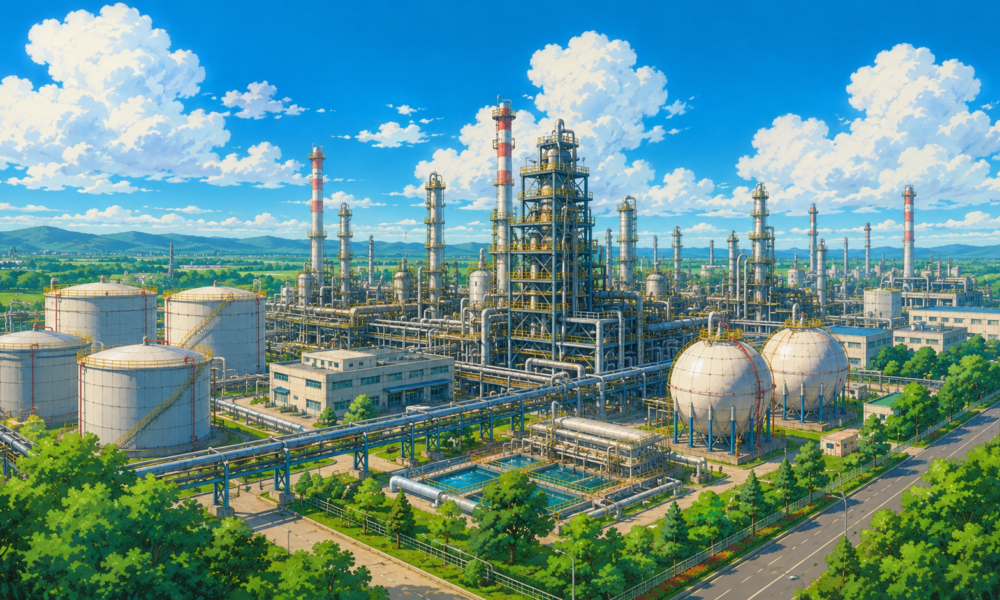
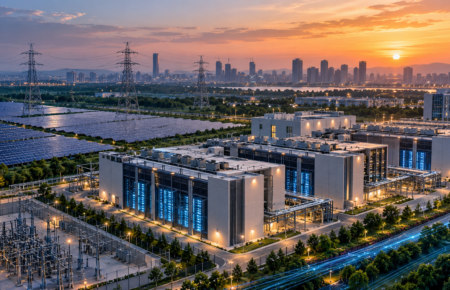
India has taken a major step towards strengthening its energy infrastructure with the inauguration of the country’s first greenfield integrated refinery and petrochemical complex in Rajasthan. The project forms part of a wider package of infrastructure initiatives worth more than ₹1.06 lakh crore unveiled during a recent visit to the state, highlighting the growing importance of energy, transport and industrial development in supporting long term economic growth.
The refinery has been developed to improve India’s refining capacity while supporting the country’s rising demand for petroleum products and petrochemicals. As industries expand and energy consumption continues to increase, modern refining infrastructure is expected to play a crucial role in strengthening domestic supply chains and reducing dependence on imported refined products. The integrated nature of the facility also enables the production of a wide range of petrochemical products that are used across manufacturing, packaging, automotive, textiles and consumer goods industries.
Large scale energy projects such as this extend their impact far beyond fuel production. The construction phase has generated employment across engineering, construction, heavy machinery and logistics, while long term operations are expected to support thousands of skilled jobs. In addition, the refinery is likely to encourage the development of supporting infrastructure including industrial parks, warehousing, road networks and utility services around the project area.
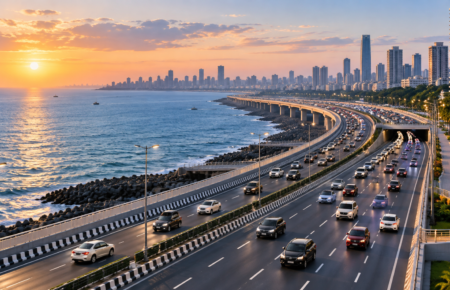
The inauguration reflects India’s continued focus on building infrastructure that supports industrial growth alongside transport connectivity. Recent investments across highways, airports, railways and logistics corridors have been complemented by increased spending on energy assets that provide the foundation for manufacturing and economic expansion. Modern refineries, power plants and transmission networks remain essential components of this wider infrastructure strategy.
Technology and sustainability have also become central themes in new energy developments. Modern integrated refinery complexes incorporate advanced processing systems that improve operational efficiency while reducing emissions compared with older facilities. Digital monitoring, automation and energy optimisation technologies are helping operators improve productivity and enhance environmental performance.
The refinery is expected to strengthen Rajasthan’s position as an emerging industrial destination. Improved infrastructure attracts downstream industries that rely on petrochemical feedstocks, encouraging further investment across manufacturing and processing sectors. This creates opportunities for businesses throughout the value chain while supporting regional economic development.
Energy security continues to remain a strategic priority for India. Expanding domestic refining capacity helps the country respond more effectively to fluctuations in international energy markets while improving the resilience of supply chains. Integrated petrochemical production also supports import substitution by enabling more products to be manufactured within the country.
For the infrastructure sector, the project demonstrates how large industrial investments can stimulate development across multiple industries simultaneously. Better roads, stronger logistics networks, reliable utilities and skilled workforce development often follow such projects, creating lasting economic benefits beyond the refinery itself.
As India continues investing in modern infrastructure, integrated energy projects are expected to play an increasingly important role in supporting industrial competitiveness and sustainable economic growth. The Rajasthan refinery represents more than a new industrial asset. It reflects the country’s broader ambition to build resilient infrastructure capable of supporting future manufacturing, energy security and long term development.




No Comment! Be the first one.