





India’s Urban Flood Management Infrastructure Returns to Focus Ahead of Monsoon Season
Cities Increase Drainage and Waterlogging Preparedness Measures Urban flood management infrastructure has once again become a major infrastructure discussion across India as state governments and...

Cities Increase Drainage and Waterlogging Preparedness Measures
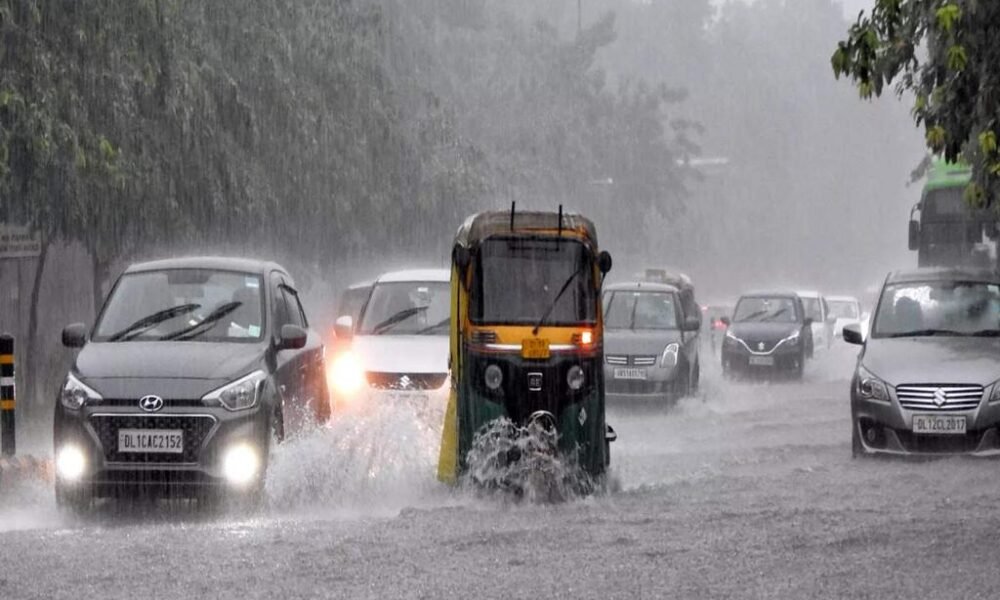
Urban flood management infrastructure has once again become a major infrastructure discussion across India as state governments and municipal authorities accelerate drainage cleaning, pumping station upgrades, and waterlogging prevention measures ahead of the monsoon season.
Cities including Mumbai, Chennai, Bengaluru, Hyderabad, Delhi, Kolkata, and Gurugram have reportedly intensified inspections involving stormwater drains, flood-control systems, sewage networks, and low-lying urban zones vulnerable to seasonal flooding.
Infrastructure experts say rapid urbanisation, shrinking natural drainage systems, concretisation, and unplanned construction activity are increasing flood-related risks across major Indian metropolitan regions.
Authorities in several states have also reviewed emergency response plans, traffic diversion systems, and civic coordination mechanisms aimed at reducing disruption during periods of heavy rainfall.
Public infrastructure agencies are additionally focusing on lake restoration, desilting activity, and pumping infrastructure upgrades in flood-prone areas before peak monsoon conditions begin.
Debate Continues Over Long-Term Urban Planning Challenges
While supporters argue that civic agencies are improving preparedness compared to previous years, critics continue raising concerns regarding recurring urban flooding despite repeated infrastructure spending and redevelopment projects.
Environmental experts say encroachment on wetlands, poor drainage maintenance, and inadequate climate-resilient planning continue worsening waterlogging and flood vulnerability across expanding cities.
Urban planners believe future infrastructure development may increasingly require integrating drainage systems, environmental restoration, traffic management, and climate adaptation into city planning models.
Policy analysts have additionally warned that extreme rainfall events linked to changing climate conditions may place greater pressure on urban infrastructure systems in coming years.
The broader discussion reflects growing national concern regarding how India’s rapidly expanding cities can strengthen resilience against seasonal flooding and climate-related infrastructure challenges.






No Comment! Be the first one.