




India’s Weather Forecast: How Heavy Rain and Extreme Weather Affect Urban Infrastructure
Heavy rain, heatwaves and other extreme weather events can put pressure on India’s roads, drainage systems, buildings and public transport networks. Weather forecasts help people prepare for...

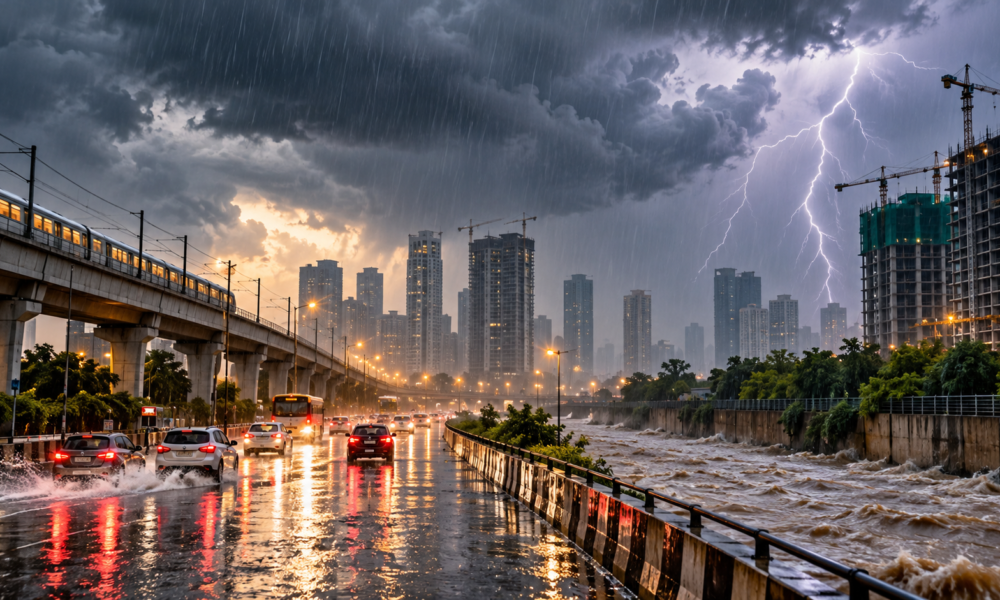
Heavy rain, heatwaves and other extreme weather events can put pressure on India’s roads, drainage systems, buildings and public transport networks.
Weather forecasts help people prepare for these conditions. They also help city authorities and infrastructure operators plan maintenance, manage water flow and reduce disruption.
As Indian cities grow, preparing infrastructure for changing weather conditions is becoming an important part of urban planning.
How Does Heavy Rain Affect Cities?
Heavy rainfall over a short period can overwhelm drainage systems. Water may collect on roads, enter buildings and disrupt traffic.
Poorly maintained drains, blocked waterways, construction on natural drainage paths and the loss of water bodies can make flooding worse.
The Ministry of Housing and Urban Affairs has highlighted these factors in its July 2026 update on urban flooding and landslides. It also notes that state governments and local bodies have important responsibilities for drainage maintenance.
What Happens to Roads and Transport?
Flooded roads can slow traffic, damage road surfaces and make travel unsafe. Water entering underpasses or low-lying areas can cause serious disruption.
Railway lines, bus routes and airport access roads may also face delays when severe weather affects nearby infrastructure.
Transport authorities can reduce risks through regular inspections, improved drainage, early warnings and clear emergency plans.
How Does Extreme Heat Affect Infrastructure?
High temperatures can affect roads, rail systems, buildings and electricity networks.
Road surfaces may soften under intense heat, while buildings require more cooling to remain comfortable. Higher electricity demand can place additional pressure on power systems.
Urban areas with limited tree cover and large amounts of concrete may also experience higher temperatures than surrounding areas.
What Can Cities Do?
City authorities can improve drainage, clear blocked drains before the rainy season and protect natural waterways. They can also use rainfall forecasts to prepare staff and equipment in areas at risk of flooding.
Infrastructure planning should consider future weather risks when designing roads, bridges, housing and public spaces.
Green spaces, urban trees, rainwater harvesting and permeable surfaces can help manage water and reduce heat in suitable locations.
Why Weather Forecasts Matter for Infrastructure
Weather information is useful when it leads to timely action. Forecasts can help construction companies plan work, transport operators adjust services and residents avoid dangerous routes.
However, long-term infrastructure decisions require more than daily weather updates. They also need drainage assessments, engineering studies and reliable local climate data.
Building cities that can withstand heavy rain and extreme heat will require cooperation between planners, engineers, government agencies and communities.






No Comment! Be the first one.