





Indian Railways Nears Full Electrification as Only 269 km of Broad Gauge Network Remains
Indian Railways has achieved a major milestone in infrastructure development as the national transporter has electrified 99.6% of its broad gauge network, with only 269 km of route left to be...

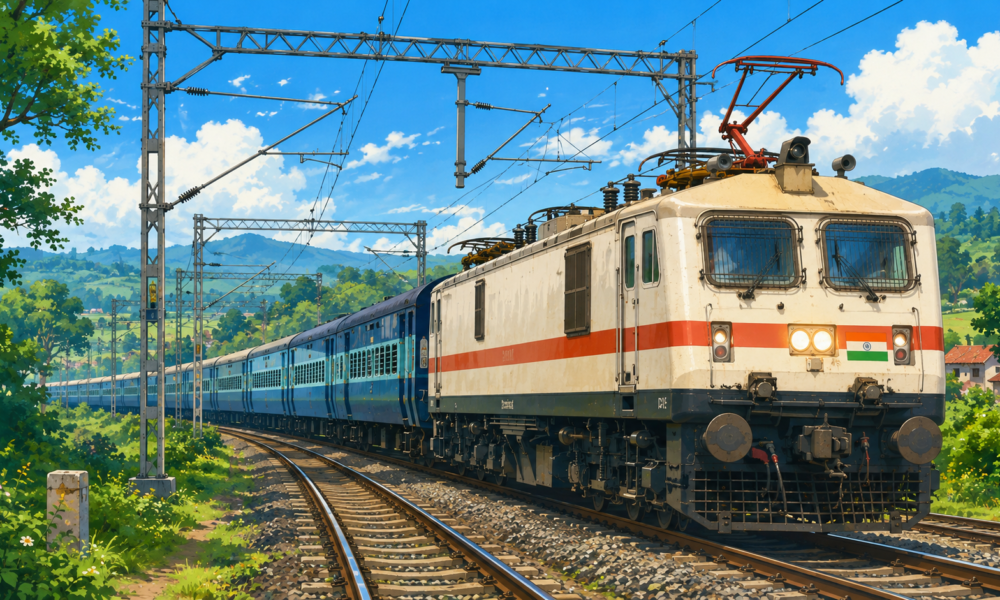
Indian Railways has achieved a major milestone in infrastructure development as the national transporter has electrified 99.6% of its broad gauge network, with only 269 km of route left to be covered.
The achievement is expected to give a boost to green transportation in the country, as it will lower fuel costs as well as improve operational efficiency.
Indian Railways has electrified more than 99% of its broad gauge network, with only 269 km of route remaining to achieve full broad gauge electrification in the country.
A total of 69,873 km of route has already been electrified, and railway electrification has increased significantly over the past decade. Earlier, only 20% of the rail network was electrified, but the electrification programme has transformed railway operations by reducing dependence on diesel fuel.
Electric trains are generally cheaper to operate than diesel-powered ones, and electrification helps Indian Railways lower fuel expenses and improve energy efficiency.
Electric trains can also provide smoother acceleration and better operational performance.
The move supports India’s efforts to promote cleaner and sustainable transportation. Reduced diesel consumption can also help lower carbon emissions from railway operations.
A fully electrified network can improve train scheduling and operational flexibility. The development is also expected to strengthen freight movement across the country.
Better railway efficiency can support industries by improving logistics and cargo transportation. Passengers can also benefit from more reliable rail services.
Indian Railways is one of the world’s largest rail networks and carries millions of passengers every day. Electrification will, in turn, significantly reduce dependence on fossil fuels.
It will also lower operating costs, allowing Indian Railways to invest more in network expansion and modernisation. Efficient rail transportation is essential for economic growth and national connectivity.
Greener railway operations can also support India’s environmental and sustainability goals. Indian Railways is expected to complete the remaining 269 km of electrification in the next phase.
Full electrification could mark one of the biggest milestones in the history of India’s railway infrastructure.
The achievement is likely to improve capacity, strengthen logistics and support long-term infrastructure growth. As India continues to invest in rail infrastructure, complete electrification is expected to become a key pillar of the country’s modern transport network.





No Comment! Be the first one.