







Jaipur Metro Phase-II Moves Ahead With ₹13,037 Crore Project Entering Key Construction Stage
Rajasthan’s Jaipur Metro Phase-II project is entering a significant implementation phase, with new tender activity underway in September as the state advances the planned 41-km expansion of...

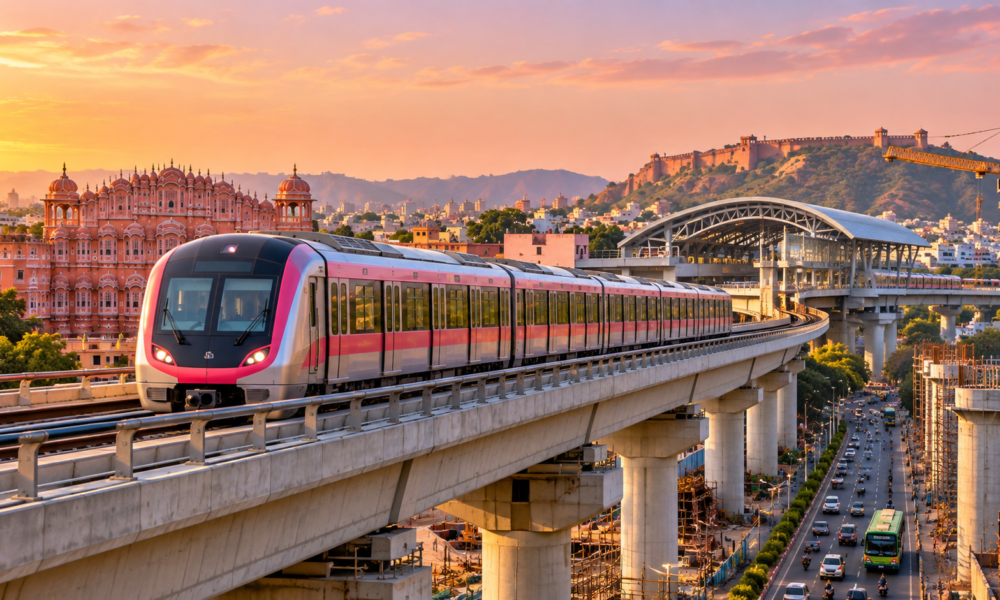
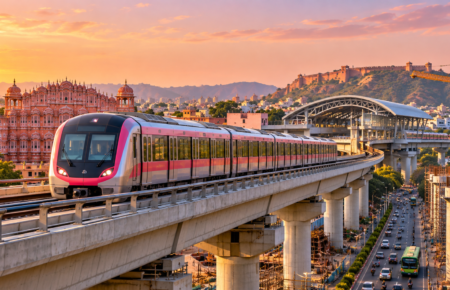
Rajasthan’s Jaipur Metro Phase-II project is entering a significant implementation phase, with new tender activity underway in September as the state advances the planned 41-km expansion of Jaipur’s urban rail network.
The Union Cabinet approved the project in April 2026 at an estimated cost of ₹13,037.66 crore. The North-South corridor will run from Prahladpura to Todi Mod and include 36 stations, with the project being implemented by Rajasthan Metro Rail Corporation Limited, a 50:50 joint venture between the Centre and the Rajasthan government.
The project is designed to improve connectivity across several important economic and urban locations in Jaipur. These include the Sitapura Industrial Area, Vishwakarma Industrial Area, Jaipur Airport, Tonk Road, SMS Hospital and Stadium, Ambabari and Vidhyadhar Nagar. The corridor will also integrate with the existing Phase-I network.
The latest tender activity shows the project moving beyond the approval stage. Rajasthan Metro’s official tender information lists a September 21 addendum for a package covering the design and construction of an elevated viaduct and 12 elevated stations. The stations covered include Collectorate, Panipech, Ambabari, Chomu Puliya, Vidhyadhar Nagar, VKI Road and Todi Mod. The submission deadline for the package is October 14, 2026.
Another tender package covering architectural finishing works at 10 stations and modifications to the existing Phase-I corridor has also been progressing. The September tender schedule indicates continuing procurement activity across different components of Phase-II.
The project will contain both elevated and underground sections. The approved plan includes underground stations in the airport area, while the broader corridor is planned to connect residential, commercial, industrial and institutional areas across Jaipur.
The economic significance of the project extends beyond passenger transport. By connecting industrial areas such as Sitapura and VKIA with other parts of the city, the expanded metro system could improve access to employment centres and reduce dependence on road-based transport.
The project is also part of a broader infrastructure push in Rajasthan. The state’s economic review has highlighted extensive investment in road infrastructure, including highway upgrades, ring roads, road-over-bridges and other connectivity projects. The state has also planned substantial spending on road development and maintenance over the coming years.
The World Bank separately approved $225 million in financing in April 2026 for the Rajasthan Highway Modernization Project. The programme aims to improve around 800 km of selected highway corridors, with a focus on connectivity, safety and resilience.
Within Jaipur, however, the metro expansion is one of the largest individual urban transport projects currently underway. Once completed, it is expected to create a more integrated public-transport network connecting major commercial, industrial and transport nodes.
The latest tender activity suggests that Phase-II is moving steadily from planning into execution, making construction progress and procurement milestones key developments for Rajasthan’s infrastructure sector over the coming months.
Data note: Project timelines and tender schedules are subject to changes by the implementing authority.






No Comment! Be the first one.