








MSC to Invest USD 1.4 Billion in Vizhinjam Port, Marking Major Boost for India’s Maritime Infrastructure
India’s maritime infrastructure is set for another significant milestone after global shipping giant MSC announced a proposed investment of USD 1.4 billion in the Vizhinjam International...

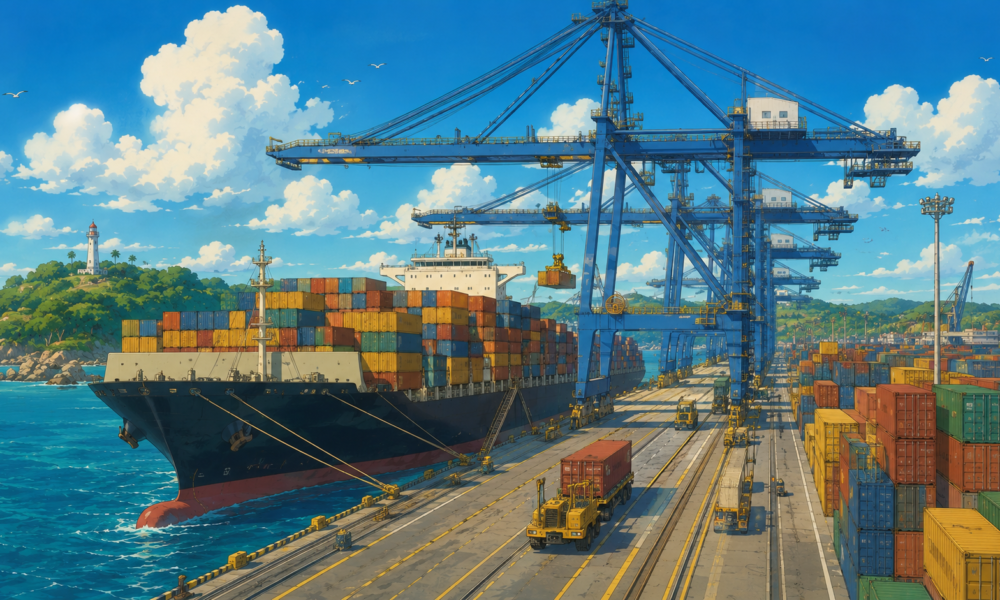
India’s maritime infrastructure is set for another significant milestone after global shipping giant MSC announced a proposed investment of USD 1.4 billion in the Vizhinjam International Seaport. The investment, which will see MSC acquire a 49 per cent stake in the port, is expected to become the largest foreign private investment in India’s domestic port infrastructure and strengthen the country’s position as a global transhipment hub.
The investment will be made through MSC’s terminal operating business, in partnership with Adani Ports and Special Economic Zone, which developed and currently operates the deep-water port. Once regulatory approvals are secured, the partnership is expected to accelerate the next phase of expansion while improving cargo handling capacity and international connectivity.
Vizhinjam is India’s first dedicated deep-water container transhipment port. Its natural depth allows some of the world’s largest container vessels to dock without extensive dredging. Located close to major international shipping routes in the Arabian Sea, the port offers shipping lines a strategic alternative to routing cargo through overseas transhipment hubs.
At present, the port has an annual handling capacity of around 1.6 million TEUs. Following the planned expansion, capacity is expected to increase to 5.7 million TEUs by the end of 2028, enabling the facility to handle significantly higher cargo volumes as India’s trade continues to grow.
The investment is expected to improve supply chain efficiency by reducing dependence on foreign ports for cargo transhipment. A large share of Indian container cargo is currently routed through ports outside the country before reaching its final destination. A larger and more capable Vizhinjam port could help retain more of this business within India, lowering logistics costs and reducing transit times for exporters and importers.
The project also highlights growing global investor confidence in India’s infrastructure sector. International operators continue to increase investments in ports, logistics parks, industrial corridors and transport networks as demand for trade infrastructure rises. Stronger port capacity is expected to support manufacturing, exports and the wider logistics ecosystem while improving India’s competitiveness in global trade.
The proposed transaction has also attracted political attention in Kerala, where questions have been raised regarding the approval process for the change in shareholding. State government officials have said they expect to be consulted before any ownership changes are completed, while the transaction remains subject to regulatory clearances.
Despite these discussions, the long-term significance of the investment remains substantial. The expansion of Vizhinjam is expected to generate employment during both construction and operations, attract additional shipping services and strengthen India’s role in international maritime trade. As cargo volumes increase, the port could emerge as one of the country’s most important logistics gateways, supporting economic growth across southern India and beyond.
With one of the world’s largest shipping companies committing fresh capital to Indian port infrastructure, the project reflects the increasing importance of modern ports in supporting global supply chains. As capacity expands and connectivity improves, Vizhinjam is expected to play a central role in India’s ambition to become a leading maritime and logistics hub.









No Comment! Be the first one.