








Mumbai Metro Line 3 Services Face Disruption During Peak Hours, Commuters Report Delays
Urban transport reliability and infrastructure operations return to focus after morning disruption Mumbai Metro Line 3 services faced disruption during peak travel hours on 22 May, affecting daily...

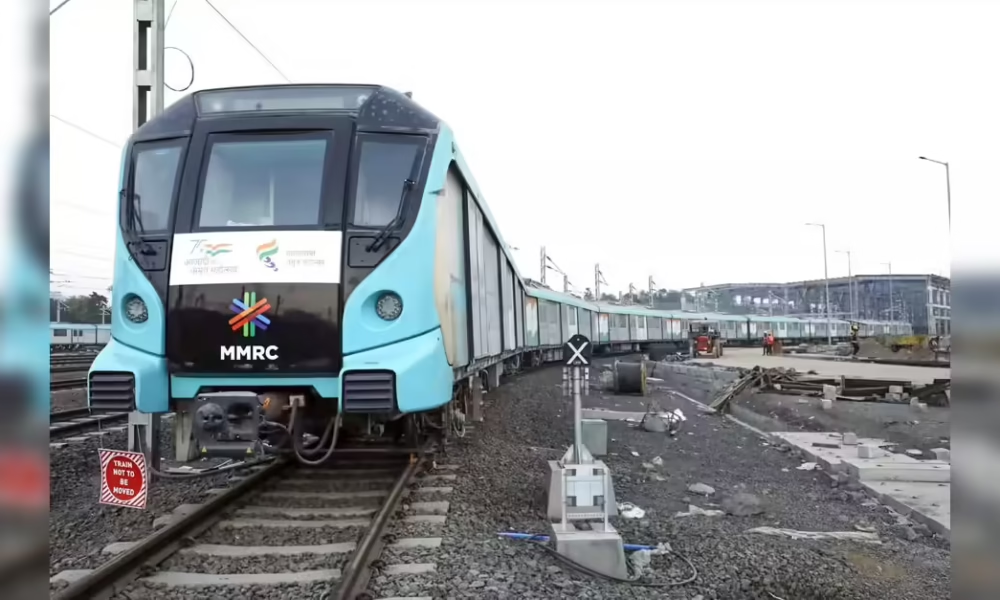
Urban transport reliability and infrastructure operations return to focus after morning disruption
Mumbai Metro Line 3 services faced disruption during peak travel hours on 22 May, affecting daily commuters and triggering renewed discussion around urban transport operations and infrastructure reliability.
The disruption affected morning movement on the Aqua Line, with commuters reporting delays, crowding and limited clarity around service restoration timelines. Office goers and regular metro users were among those impacted during one of the busiest travel windows of the day.
Metro infrastructure continues to play a central role in urban mobility planning across India’s major cities. As metro networks expand, operational stability, commuter communication and service management remain important components of transport infrastructure performance.
Urban mobility experts note that rapid transit systems are increasingly tied to city productivity, commuting efficiency and long term infrastructure planning. Even short disruptions can affect large commuter volumes in densely populated urban centres.
Urban Transport Operations Stay Under Watch
Transport authorities and infrastructure operators are expected to continue monitoring system performance, operational protocols and commuter communication mechanisms.
Infrastructure analysts say urban transit systems require strong coordination between technology, maintenance and passenger management to ensure smoother operations across expanding metro networks.
As cities continue to invest in large scale mobility infrastructure, service reliability and operational responsiveness are likely to remain important discussion points within India’s urban transport ecosystem










No Comment! Be the first one.