








Northeast Rail Connectivity Projects Gain Momentum as Infrastructure Focus Shifts to Border Regions
Governments Push Strategic and Economic Connectivity Expansion Rail and transport infrastructure projects across India’s northeastern states are gaining renewed attention as governments continue...

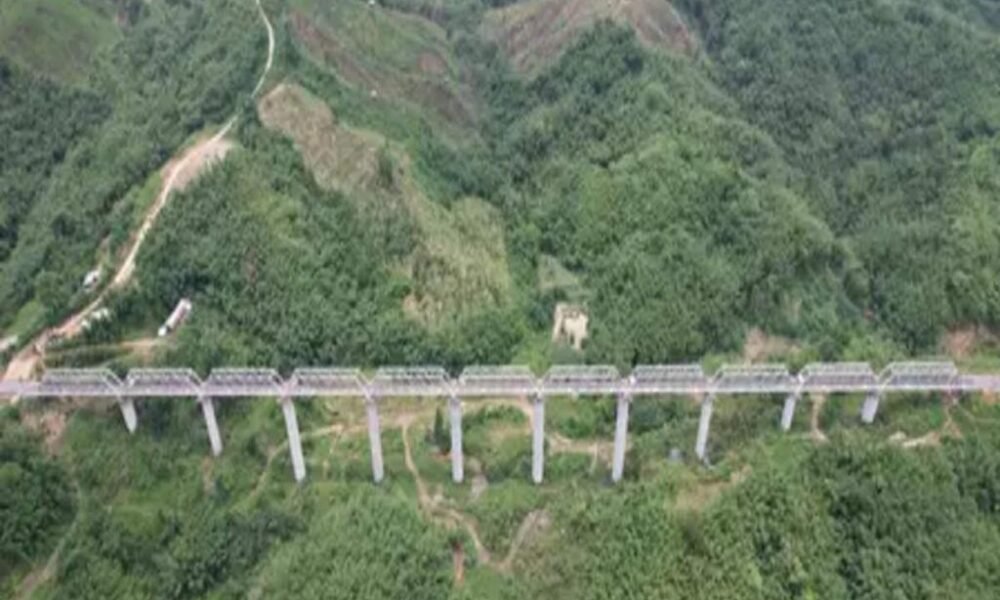
Governments Push Strategic and Economic Connectivity Expansion
Rail and transport infrastructure projects across India’s northeastern states are gaining renewed attention as governments continue expanding connectivity in strategically important border and remote regions.
Officials and infrastructure planners say multiple rail line expansion, bridge construction, tunnel development, and station modernisation projects are progressing across states including Assam, Arunachal Pradesh, Manipur, and Meghalaya.
Experts believe improved railway connectivity could significantly strengthen trade movement, tourism activity, defence logistics, and regional economic integration in areas historically affected by difficult terrain and limited transport infrastructure.
The expansion is also being viewed as part of India’s larger strategy to improve border-area infrastructure and strengthen connectivity with Southeast Asian trade corridors under broader regional development initiatives.
Infrastructure analysts note that transport projects in the northeast often face complex engineering challenges linked to mountainous terrain, environmental sensitivity, heavy rainfall, and land acquisition difficulties.
Debate Continues Over Environmental and Local Community Concerns
While supporters argue that stronger rail connectivity can improve economic opportunities and reduce regional isolation, environmental groups and local organisations continue raising concerns regarding ecological impact, forest clearance, and long-term sustainability.
Several policy experts say infrastructure growth in ecologically sensitive regions may require more balanced planning between strategic development and environmental protection.
Critics have also pointed to delays, cost escalations, and implementation challenges affecting some connectivity projects in remote areas.
Supporters of the expansion strategy, however, maintain that improved transport infrastructure remains essential for long-term economic integration and regional development across northeastern India.
Infrastructure specialists believe connectivity projects in border and remote regions will remain central to India’s future infrastructure planning as governments continue focusing on national logistics and strategic mobility networks.






No Comment! Be the first one.