





Rural Infrastructure India: AI, Roads and Water Networks Reshape Village Connectivity
India’s rural infrastructure push is increasingly moving toward an integrated model in which roads, water connections, digital systems and technology-enabled project monitoring operate...

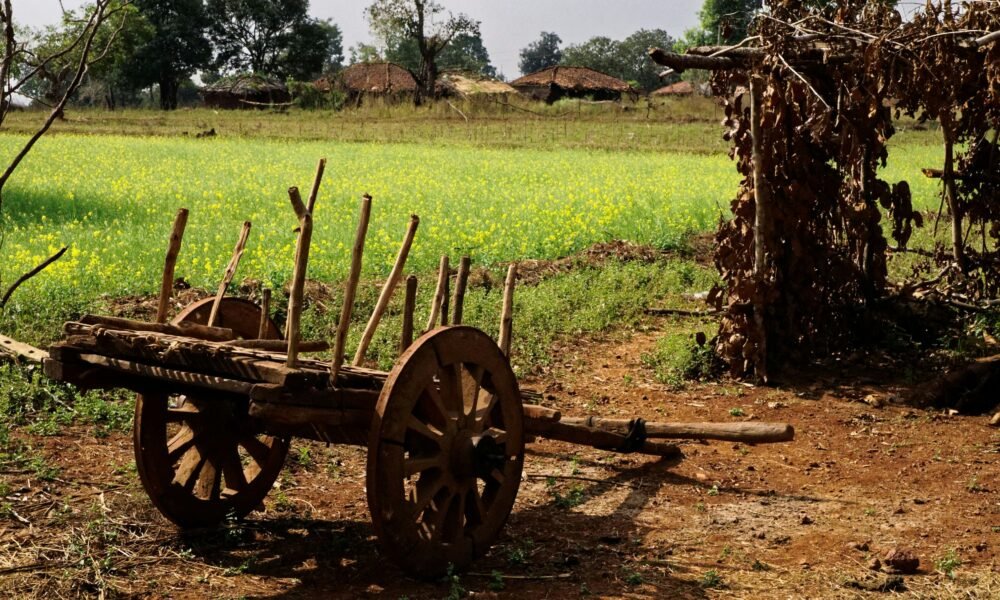
India’s rural infrastructure push is increasingly moving toward an integrated model in which roads, water connections, digital systems and technology-enabled project monitoring operate together.
One of the latest developments is the government’s use of an artificial intelligence-based tool to scrutinise Detailed Project Reports for rural road projects under the Pradhan Mantri Gram Sadak Yojana. The system is intended to streamline technical appraisal, reduce delays and strengthen oversight of rural road projects.
The development comes as India’s rural road network continues to expand.
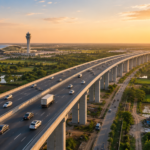
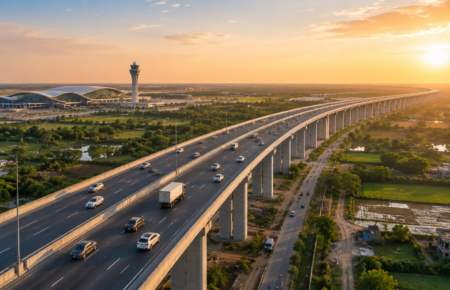
The Ministry of Rural Development reported in July 2026 that 2,905 roads covering 15,647.78 km and 1,042 bridges were completed across the country during financial year 2025-26 under the various PMGSY verticals. Another 93 eligible habitations were provided all-weather road connectivity during the year.
Over the previous five years, the government reported completion of 131,589 km of rural roads and 5,110 bridges under PMGSY at an expenditure of more than ₹1 lakh crore, including state share.
Road connectivity, however, is only one component of village infrastructure.
Water supply has also expanded substantially through the Jal Jeevan Mission. According to the Ministry of Jal Shakti, approximately 15.69 crore rural households were reported to have tap-water supply as of February 10, 2026, representing around 81% of the country’s rural households.
The combination matters because infrastructure networks reinforce one another.
A rural road allows residents and businesses to reach markets, schools and healthcare facilities. Reliable water infrastructure reduces the distance households need to travel for basic services. Digital connectivity can improve access to government services, education, financial systems and online markets.
The government has also increasingly linked infrastructure development with technology. AI-based scrutiny of rural-road project reports is one example of how digital tools are being introduced into infrastructure planning.
The next challenge is quality and maintenance.
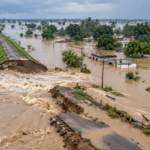
Building a road does not guarantee permanent connectivity. Rural roads need regular maintenance, drainage and bridges capable of surviving extreme weather. Similarly, a tap-water connection requires functioning local infrastructure, water sources and long-term operations and maintenance.
The broader transformation of rural India is therefore less about one individual scheme and more about interconnected infrastructure.
When roads, water networks, electricity, telecommunications and local public services develop together, villages become better connected to economic and social systems outside them.
For rural India, the infrastructure story is gradually shifting from basic access to network quality, resilience and integration.





No Comment! Be the first one.