







Why India’s Smaller Cities Are Suddenly Becoming Real Estate Hotspots
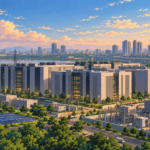
Builders and Investors Shift Focus Beyond Metro Cities India’s real estate activity is increasingly shifting toward tier-2 and tier-3 cities as improving highways, new airports, industrial projects,...

Builders and Investors Shift Focus Beyond Metro Cities
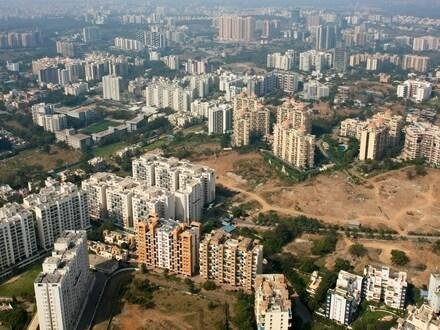
India’s real estate activity is increasingly shifting toward tier-2 and tier-3 cities as improving highways, new airports, industrial projects, and rising remote-work flexibility reshape housing demand outside major metro regions.
Cities such as Indore, Lucknow, Coimbatore, Surat, Dehradun, Bhubaneswar, and Nagpur are witnessing growing interest from developers, investors, and middle-class homebuyers looking for comparatively affordable housing and better lifestyle conditions.
Property consultants say rising prices in Delhi-NCR, Mumbai, Bengaluru, and Hyderabad are pushing many families and young professionals to explore smaller urban centres with expanding job markets and improving public infrastructure.
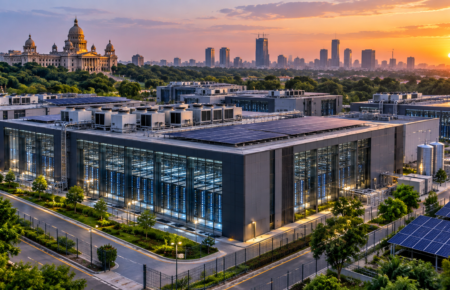
Several states have also accelerated commercial projects, logistics hubs, and IT parks in emerging cities, increasing long-term demand for residential and mixed-use developments.
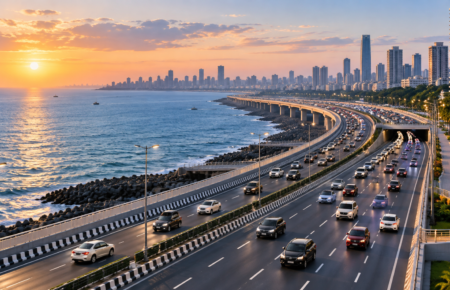
Developers believe improving expressway connectivity and airport expansion projects are making non-metro cities more attractive for long-term investment and migration.
Can Smaller Cities Handle Fast Urban Growth?
Urban planners, however, warn that rapid construction activity may create future pressure on drainage systems, water supply, waste management, and traffic infrastructure if city planning does not keep pace with growth.
Experts also say some smaller cities could face the same congestion and affordability problems currently affecting larger metro areas if expansion remains poorly regulated.
Several analysts believe the next decade may significantly reshape India’s urban map as economic activity spreads beyond traditional metropolitan hubs.
The shift is also changing investment patterns within the housing market, where developers are increasingly targeting first-time homebuyers and mid-income families in growing regional cities.
The broader trend reflects how connectivity, affordability, and changing work culture are redefining where Indians choose to live and invest.








No Comment! Be the first one.