








Bihar’s ₹1,058 crore push signals steady, if uneven, progress in regional infrastructure
The latest round of infrastructure projects unveiled by Nitish Kumar in Buxar and Ara reflects a familiar template in India’s development playbook: incremental expansion of roads, bridges and basic...

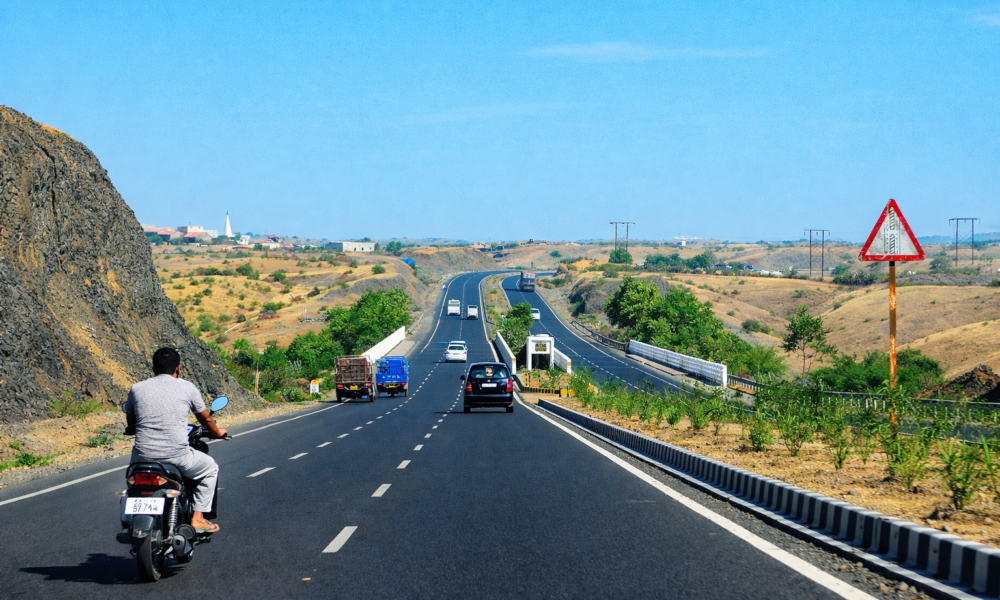
The latest round of infrastructure projects unveiled by Nitish Kumar in Buxar and Ara reflects a familiar template in India’s development playbook: incremental expansion of roads, bridges and basic urban services to correct long-standing regional gaps. The ₹1,058 crore outlay, spread across sectors, is aimed at strengthening connectivity and improving civic amenities in districts that have historically lagged behind.
At one level, the intent is clear. Improved road networks and bridge infrastructure can reduce travel time, ease the movement of goods and bring peripheral regions closer to economic centres. Investments in water supply and allied services carry equal weight, given the persistent deficits in urban infrastructure across Bihar’s smaller towns.
Yet, such announcements often raise a more difficult question on delivery. The state has, in the past, struggled with timelines and project execution, issues that dilute the impact of capital spending. The effectiveness of this latest push will depend less on allocations and more on adherence to schedules, quality of construction and coordination across departments.
There is also the broader concern of scale. While district-level interventions are necessary, they must eventually align with a larger economic strategy that generates employment and attracts private investment. Without that linkage, infrastructure risks becoming an end in itself rather than a catalyst for sustained growth.
For now, the projects signal movement in the right direction. Whether they translate into measurable change on the ground will depend on how firmly execution keeps pace with intent.







No Comment! Be the first one.