






Railways’ high-speed trial signals intent, but network-wide gains remain a distant goal
The recent high-speed trial conducted by Indian Railways on the DDU–Pradhankhunta section is another step in the system’s gradual attempt to modernise its operations. The exercise, carried out in the...

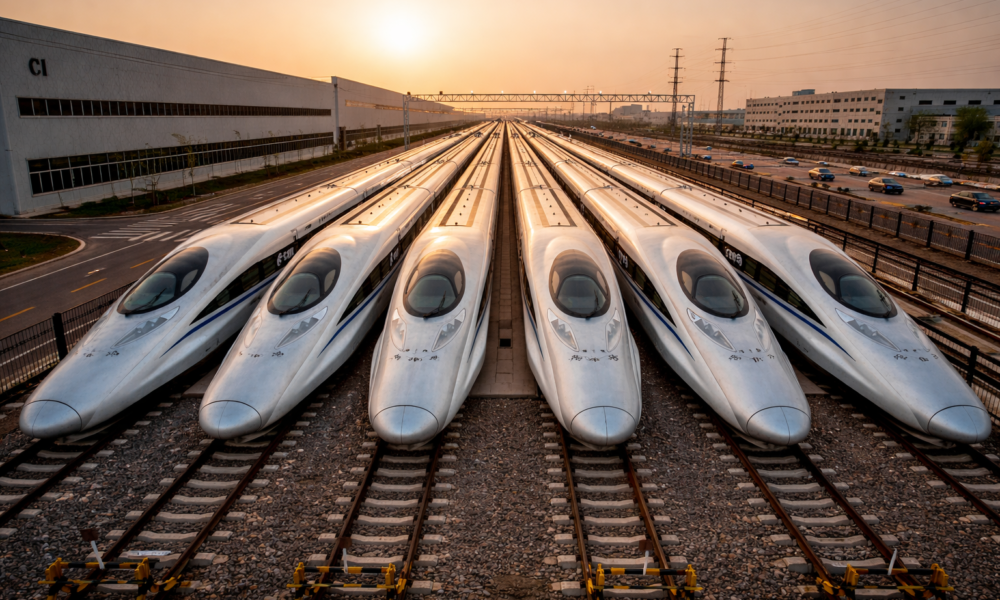
The recent high-speed trial conducted by Indian Railways on the DDU–Pradhankhunta section is another step in the system’s gradual attempt to modernise its operations. The exercise, carried out in the eastern corridor, is part of a broader effort to upgrade tracks and signalling systems to support faster and safer train movement.
In principle, such trials are essential. They validate the strength of track infrastructure, test the reliability of signalling, and help assess whether sections of the network can sustain higher speeds without compromising safety. For a railway system that carries one of the world’s largest passenger volumes, incremental improvements of this nature are both necessary and overdue.
Yet, the larger picture tempers expectations. Speed upgrades on isolated stretches do not automatically translate into shorter journey times across routes. Much of the network continues to grapple with congestion, mixed traffic and ageing infrastructure, all of which limit the gains from selective enhancements. Freight and passenger trains often share tracks, creating operational constraints that no single trial can resolve.
The challenge, therefore, is one of scale and consistency. Unless upgrades extend across corridors with equal attention to capacity augmentation, signalling modernisation and timetable rationalisation, the impact will remain uneven. The ambition to run faster trains must be matched by systemic reform.
The trial, then, is best seen as a marker of intent. It signals that the direction is clear, but also underscores how much remains to be done before speed becomes a network-wide reality rather than a sectional achievement.






No Comment! Be the first one.