








Gas infrastructure push reflects urgency, but execution will determine outcomes
India’s move to strengthen its natural gas infrastructure comes at a time of tightening global supplies and renewed focus on energy security. The Centre’s directive to accelerate pipeline expansion...

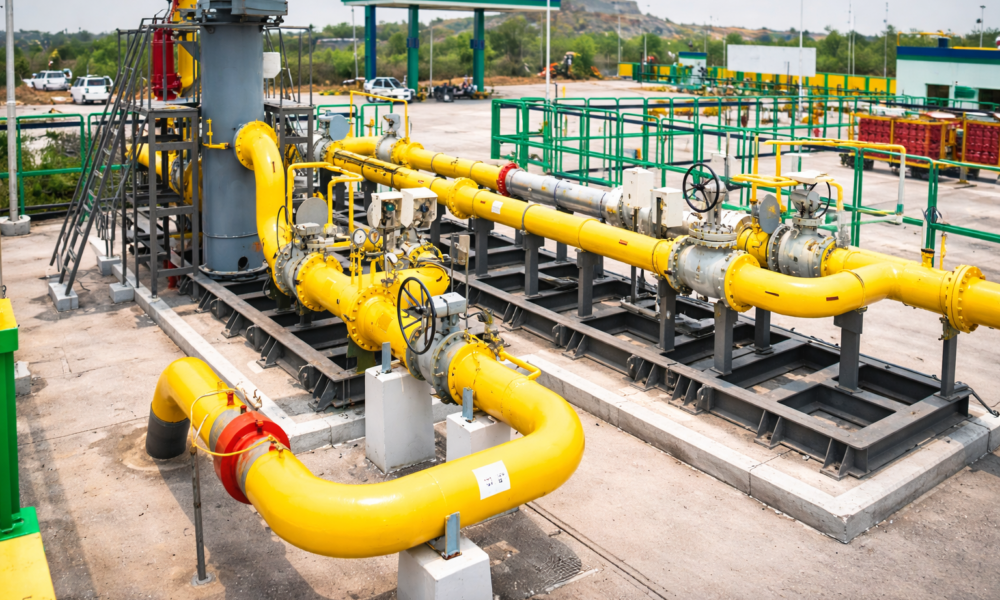
India’s move to strengthen its natural gas infrastructure comes at a time of tightening global supplies and renewed focus on energy security. The Centre’s directive to accelerate pipeline expansion and improve distribution networks signals a recognition that gas must play a larger role in the country’s energy mix if cleaner growth targets are to be met.
At present, access remains uneven. While urban clusters and industrial pockets have seen steady expansion of city gas networks, large parts of the country continue to remain outside the grid. Bridging this gap requires not just new pipelines but also faster clearances, viable pricing structures and coordination between multiple agencies. Without these, infrastructure creation risks falling behind policy intent.
There is also the question of affordability. Expanding supply is only one side of the equation. Ensuring that gas remains competitively priced against conventional fuels will determine uptake, particularly among small industries and households. Volatility in global markets has already exposed the vulnerability of relying on imports, making domestic production and storage capacity equally important.
The government’s push, therefore, carries both urgency and complexity. It reflects an attempt to future-proof the energy system while navigating immediate constraints. Whether this translates into a meaningful shift will depend on how effectively policy, pricing and project execution are aligned in the months ahead.









No Comment! Be the first one.