





Rail capacity gains gather pace, but network efficiency remains the larger test
The commissioning of the Almatti–Wandal section under the Gadag–Hotgi doubling project marks another incremental gain for Indian Railways in its effort to ease congestion on key routes. The project,...

The commissioning of the Almatti–Wandal section under the Gadag–Hotgi doubling project marks another incremental gain for Indian Railways in its effort to ease congestion on key routes. The project, located in Karnataka, is expected to improve both freight movement and passenger connectivity across an important corridor.
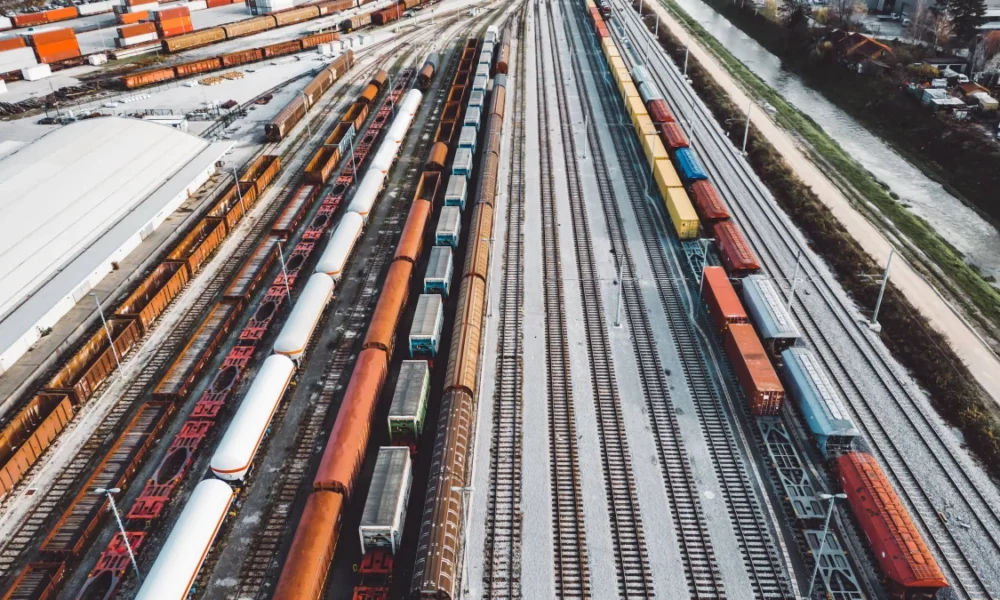
Track doubling has long been central to the Railways’ capacity augmentation strategy. By enabling simultaneous movement of trains in both directions, such projects reduce delays, improve turnaround times, and increase overall line capacity. For freight, in particular, this translates into more reliable logistics, a factor that has gained importance as India pushes to shift cargo from road to rail.
Yet, isolated improvements do not automatically translate into system-wide efficiency. Bottlenecks often persist at junctions, terminals, and last-mile links, diluting the benefits of capacity additions along specific stretches. The challenge lies in aligning these projects within a broader network strategy that addresses constraints across the entire route.
There is also the question of execution timelines. While the completion of this section is a positive signal, many similar projects continue to face delays due to land acquisition hurdles, funding constraints, and coordination issues.
The Gadag–Hotgi project illustrates both progress and limitation. It shows that incremental upgrades are underway, but also that the larger task of building a seamless, high-capacity rail network is far from complete.







No Comment! Be the first one.