







Small-ticket road upgrades highlight the gap between ambition and local execution
The rollout of road improvement works in Ludhiana, including a ₹8.6 crore allocation for select stretches, points to the continuing effort by states to address urban infrastructure deficits at the...

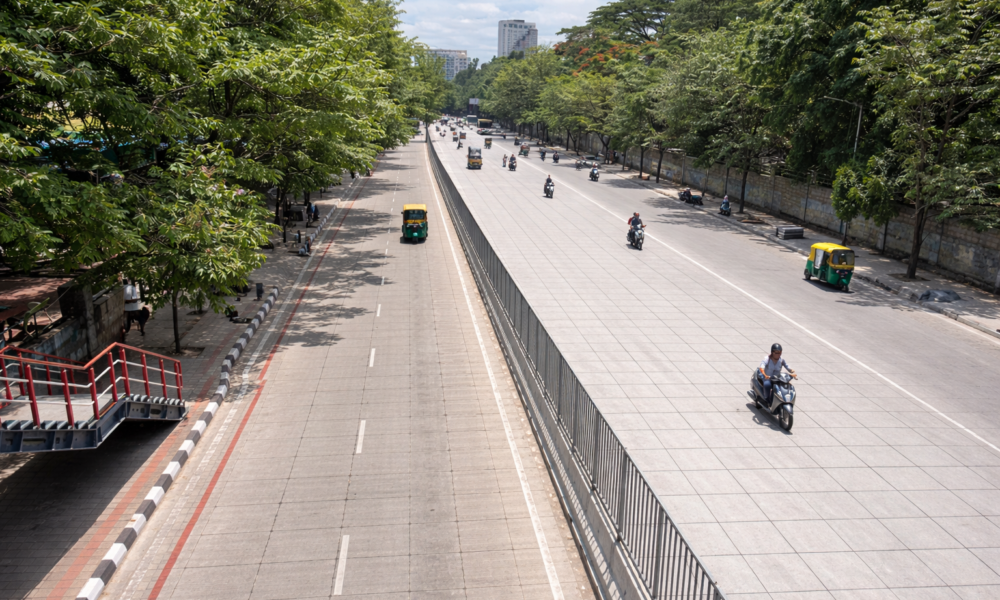
The rollout of road improvement works in Ludhiana, including a ₹8.6 crore allocation for select stretches, points to the continuing effort by states to address urban infrastructure deficits at the city level. While modest in scale, such projects are often the most visible to residents, directly affecting daily mobility and quality of life.
Across Punjab, these upgrades form part of a wider push to repair and strengthen urban road networks that have deteriorated under rising traffic loads and limited maintenance. In many cities, patchwork fixes have become the norm, with comprehensive redevelopment remaining the exception.
However, the limited size of allocations also underlines a deeper issue. Urban infrastructure planning continues to be fragmented, with projects executed in isolation rather than as part of an integrated mobility framework. Without coordination between road design, traffic management, and public transport systems, such interventions risk offering only temporary relief.
There is also the question of durability. Road projects at the municipal level frequently suffer from poor construction standards and weak oversight, leading to recurring repair cycles that strain public finances without delivering lasting improvement.
The Ludhiana works reflect a broader pattern seen across Indian cities. While headline investments in highways and expressways continue to grow, the condition of intra-city roads remains uneven. Bridging this gap will require not just higher spending, but better planning, execution, and accountability at the local level.








No Comment! Be the first one.