








Noida airport’s first phase underscores shift towards integrated regional transport
The operationalisation of the first phase of the Noida International Airport brings into focus a broader reorientation in India’s infrastructure planning, where standalone projects are increasingly...

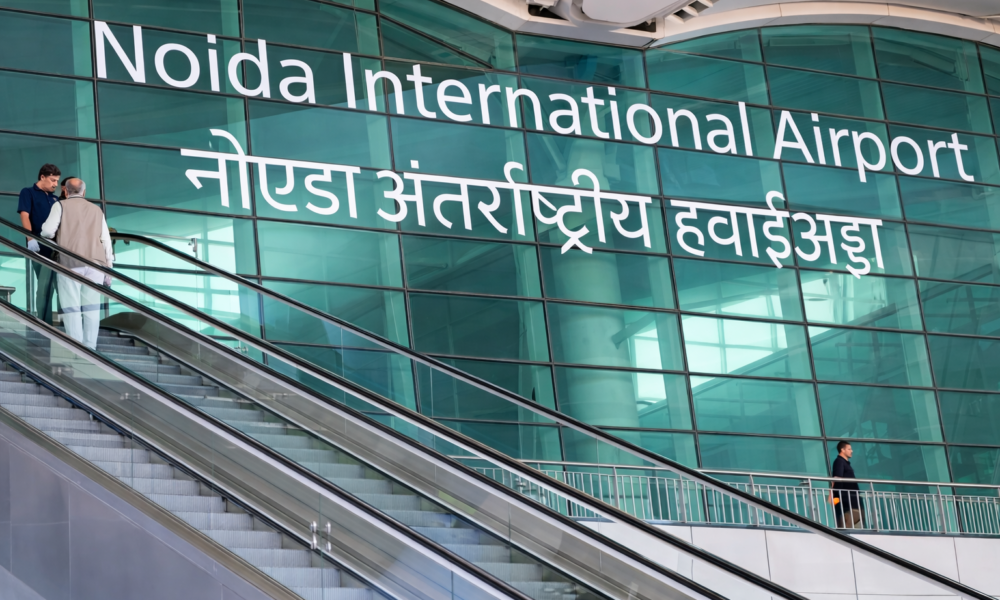
The operationalisation of the first phase of the Noida International Airport brings into focus a broader reorientation in India’s infrastructure planning, where standalone projects are increasingly being designed as part of larger, interconnected systems.
With the capacity to handle a substantial volume of aircraft movements and dedicated provisions for cargo, the airport is being positioned not merely as an alternative to Delhi’s aviation hub but as a node in a wider logistics network. Its integration with expressways and planned transport corridors suggests an attempt to align air connectivity with road based freight movement, a gap that has long constrained efficiency.
For the surrounding regions, particularly western Uttar Pradesh, the airport offers the prospect of improved market access and industrial dispersal. The promise lies in reducing logistical bottlenecks and creating conditions for new investments to move beyond established urban centres.
However, the success of such an approach depends on coordination across agencies and timelines. Connectivity on paper must translate into reliable, accessible transport on the ground. Without that, the advantages of scale risk being diluted.
The first phase, therefore, is less an end in itself and more a test of whether India can move from building assets to creating networks that function cohesively.









No Comment! Be the first one.