




India’s Highway Construction Push Continues as Road Infrastructure Remains Growth Priority
Road infrastructure continues to be one of the strongest pillars of India’s development strategy, with highway construction and connectivity projects receiving significant policy attention and...

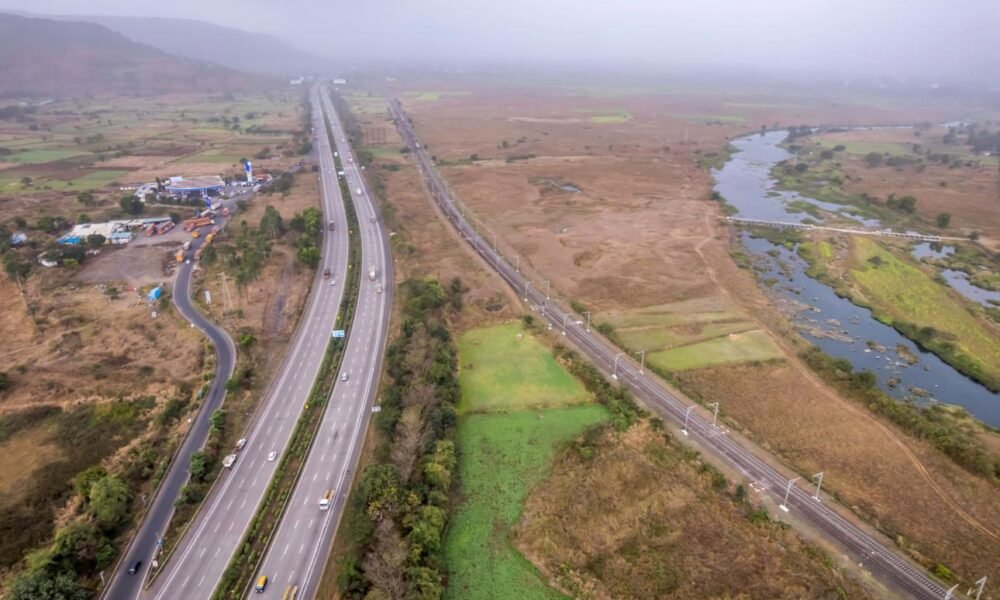
Road infrastructure continues to be one of the strongest pillars of India’s development strategy, with highway construction and connectivity projects receiving significant policy attention and investment support. As the country seeks to improve logistics efficiency, regional connectivity and economic competitiveness, road infrastructure remains at the center of national and state-level development plans.
Over the past decade, India’s highway network has expanded substantially, helping connect industrial corridors, urban centers, ports and rural regions. Improved connectivity has not only reduced travel times but has also strengthened supply chains and facilitated economic activity across multiple sectors.
Infrastructure experts note that road development has a direct impact on trade, manufacturing and logistics. Efficient transportation networks help reduce freight costs, improve market access and support business expansion. As a result, highway projects are often viewed as catalysts for broader economic growth and regional development.
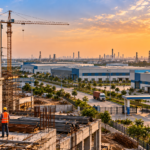
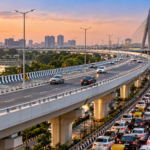
Several ongoing projects are focused on expanding expressway networks and improving access between major economic hubs. Modern highways equipped with advanced safety features and improved design standards are expected to enhance transportation efficiency while supporting rising traffic volumes.
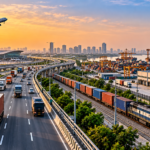
Road infrastructure is also playing an important role in supporting industrial and logistics growth. Improved connectivity between manufacturing centers, warehouses and ports enables faster movement of goods and strengthens India’s position within domestic and global supply chains. Industry stakeholders believe continued investment in transportation infrastructure will remain essential for maintaining long-term competitiveness.
Technology is increasingly being integrated into highway infrastructure projects. Intelligent transportation systems, digital toll collection mechanisms and traffic management technologies are helping improve operational efficiency and user experience. Such innovations are expected to become more common as transportation networks modernize.
Government initiatives emphasizing multimodal connectivity are further supporting the expansion of road infrastructure. By linking highways with railways, ports and airports, policymakers aim to create a more integrated transportation ecosystem capable of supporting future economic growth.
Despite the progress, challenges related to land acquisition, project execution and environmental clearances continue to affect infrastructure timelines. Experts emphasize the importance of efficient planning and stakeholder coordination to ensure projects are completed on schedule.
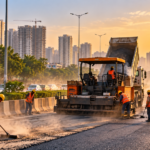
The road construction sector also generates significant economic benefits through employment creation and demand for construction materials, engineering services and equipment. Large-scale infrastructure projects contribute to both short-term economic activity and long-term productivity improvements.
As India continues to invest heavily in transportation networks, highways are expected to remain a key driver of infrastructure-led growth. The continued focus on connectivity, logistics efficiency and regional development underscores the strategic importance of road infrastructure in supporting the country’s long-term economic ambitions.






No Comment! Be the first one.