





Mumbai Metro Line 5 Kasheli Depot Reaches Key Construction Milestone, Supporting Future Urban Mobility
Mumbai’s expanding metro network has achieved another important milestone as construction of the Kasheli Depot for Metro Line 5 continues to gather pace. The depot, located near Thane, has...

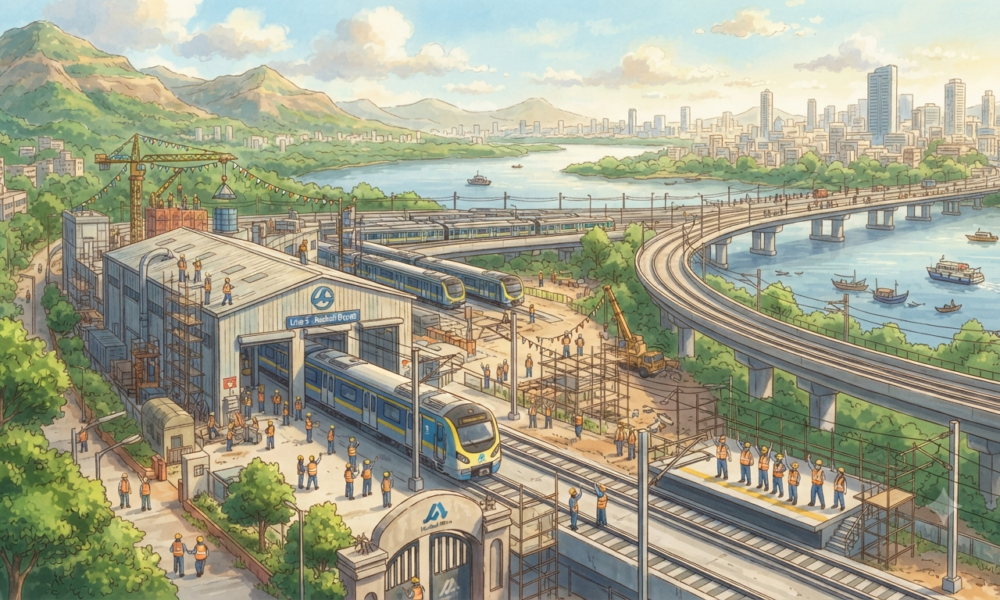
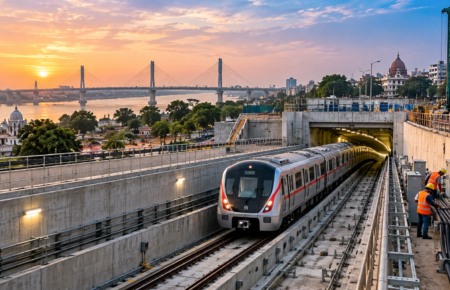
Mumbai’s expanding metro network has achieved another important milestone as construction of the Kasheli Depot for Metro Line 5 continues to gather pace. The depot, located near Thane, has reached around 23% completion and will play a critical role in supporting train operations once the corridor becomes operational. The development marks steady progress in one of the Mumbai Metropolitan Region’s major public transport projects, aimed at improving connectivity between Thane, Bhiwandi and Kalyan.
Unlike metro stations or rail corridors that are visible to commuters, depots are often overlooked despite being essential to the successful operation of a metro network. The Kasheli Depot will serve as the operational backbone of Metro Line 5 by providing facilities for train stabling, maintenance, inspection, cleaning and repairs. It will also house the operational control infrastructure required to ensure safe and reliable services across the corridor.
Metro Line 5 is expected to strengthen east-west connectivity across one of the fastest-growing parts of the Mumbai Metropolitan Region. Once operational, the line will provide a faster and more dependable alternative to congested roads, helping reduce travel time for daily commuters. Improved public transport can also encourage a shift away from private vehicles, easing traffic congestion while supporting cleaner urban mobility.
The progress of the Kasheli Depot reflects the importance of building supporting infrastructure alongside rail corridors. While passengers often focus on stations and trains, the efficiency of an entire metro system depends heavily on the quality of its maintenance and operational facilities. A well-equipped depot helps improve train reliability, reduce service disruptions and extend the operational life of metro rolling stock.
The project is also expected to generate wider economic benefits. Large metro investments typically stimulate commercial activity around stations while improving accessibility for residential communities and businesses. Better transport links can attract retail, office developments and housing projects, creating long-term value for surrounding areas.
For businesses, improved metro connectivity makes it easier for employees and customers to travel across the city. Reduced commuting time can improve productivity while encouraging companies to consider emerging commercial districts outside traditional business centres. As Mumbai continues expanding, efficient public transport will remain essential for supporting economic growth and urban development.
The Kasheli Depot also demonstrates the growing emphasis on integrated transport planning. Modern metro systems require far more than tracks and stations. They depend on advanced maintenance facilities, operational control centres and efficient supporting infrastructure to deliver consistent service standards. Investing in these assets helps ensure that metro systems remain reliable throughout their lifecycle.
Mumbai has continued expanding its metro network to meet rising transport demand across the metropolitan region. Each construction milestone moves the city closer to providing a more connected and sustainable public transport system. As additional corridors become operational, integrated metro infrastructure is expected to play a key role in reducing congestion and supporting balanced urban growth.
Although construction is still underway, the steady progress at Kasheli Depot highlights the long-term planning behind large infrastructure projects. Once Metro Line 5 begins operations, the depot will become a vital part of the network, helping deliver safe, efficient and dependable metro services for millions of commuters across the Mumbai Metropolitan Region.





No Comment! Be the first one.