





Mumbai’s Virar Emerges as Western India’s Next Infrastructure Growth Hub
irar, once considered the outer edge of Mumbai’s suburban rail network, is rapidly transforming into one of Western India’s most significant infrastructure growth corridors. A combination...

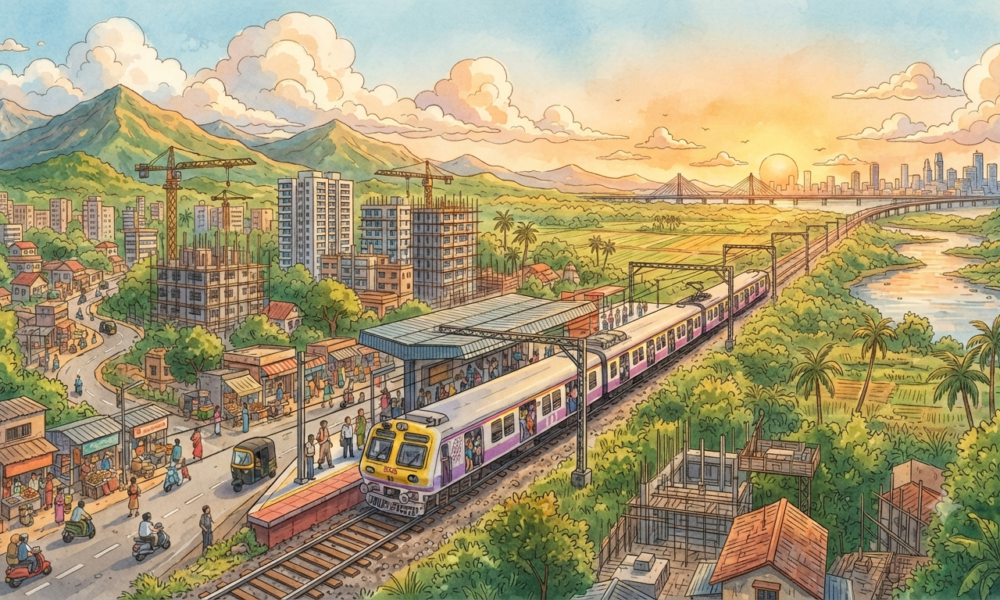
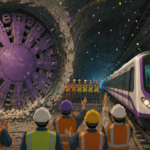
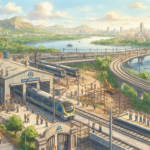
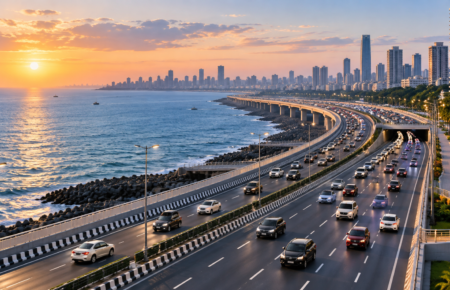
irar, once considered the outer edge of Mumbai’s suburban rail network, is rapidly transforming into one of Western India’s most significant infrastructure growth corridors. A combination of four major transport projects is reshaping the region, improving connectivity and creating new opportunities for residential, commercial and industrial development. Urban planners believe the convergence of these projects could redefine Virar’s role within the Mumbai Metropolitan Region over the coming decade.
The transformation is being driven by multiple infrastructure investments that are expected to improve regional mobility and reduce travel times. Rather than functioning solely as a residential suburb, Virar is gradually evolving into a strategic transport hub connected by rail, road and regional mobility networks. This integrated planning approach draws inspiration from Japanese urban development models, where transport infrastructure acts as the foundation for sustainable city expansion.
Infrastructure-led growth has historically played a major role in shaping India’s urban landscape. As transport connectivity improves, businesses gain easier access to labour markets, logistics become more efficient and residential communities become more attractive to homebuyers. Virar appears to be following a similar trajectory as planners seek to balance population growth with modern infrastructure.
For the real estate sector, improved connectivity often serves as a catalyst for investment. Better transport links can reduce commuting times, making previously distant locations attractive for both homebuyers and businesses. Developers typically respond by launching residential projects, commercial centres and mixed-use developments around emerging transport corridors. This creates new economic activity while supporting long-term urban expansion.
Businesses also stand to benefit from the region’s growing accessibility. Improved road and rail connectivity can lower transportation costs, improve employee mobility and strengthen links with Mumbai’s commercial districts. Companies looking for cost-effective alternatives to central business locations may increasingly consider emerging growth corridors such as Virar.
The wider economic impact extends beyond real estate. Infrastructure projects generate employment during construction while creating demand for engineering, logistics, retail, hospitality and public services after completion. Local businesses often benefit from increased footfall as population density and commercial activity grow around new transport hubs.
Virar’s transformation also reflects a broader trend across India, where infrastructure is increasingly being used to guide urban development rather than simply respond to it. Integrated planning enables governments to improve mobility, reduce congestion and support balanced regional growth. As cities continue expanding, coordinated investments across transport networks become essential for maintaining economic productivity and quality of life.
The focus on multimodal connectivity is becoming increasingly important as metropolitan regions grow larger. Rather than relying on a single transport system, planners are integrating highways, rail corridors and regional transit to create more resilient urban networks. Such planning can improve travel efficiency while encouraging investment across surrounding districts.
Although the transformation will take several years to fully materialise, Virar’s emergence as a future infrastructure hub demonstrates how long-term planning can reshape regional economies. For investors, developers and businesses, the area represents an example of how connectivity continues to drive urban growth across India. As infrastructure projects progress, Virar may become one of the strongest examples of transit-led development within the Mumbai Metropolitan Region.





No Comment! Be the first one.