








Homes Sanctioned Under PMAY-U 2.0 Stand at 18.77 Lakh
PMAY-U 2.0 has reached more than 18.77 lakh sanctioned houses. Around 29,000 homes were approved recently. This milestone matters for India’s rapidly evolving cities, which are undergoing rapid...

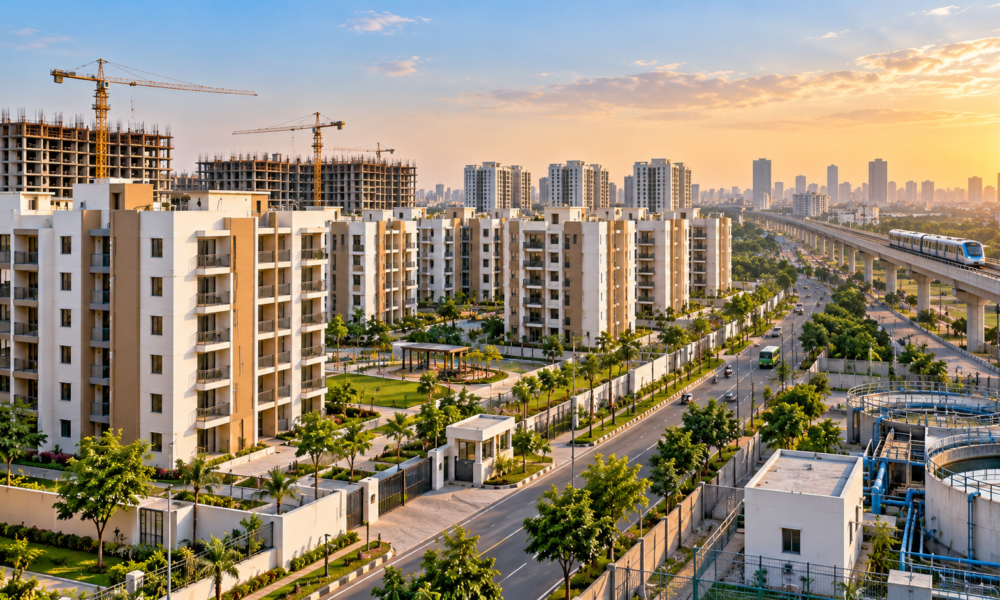
PMAY-U 2.0 has reached more than 18.77 lakh sanctioned houses. Around 29,000 homes were approved recently. This milestone matters for India’s rapidly evolving cities, which are undergoing rapid urbanisation and need significant improvements in urban infrastructure.
But the question remains: Can India’s urban infrastructure keep pace with the expansion of affordable housing?
What is PMAY-U 2.0?
PMAY-U 2.0 was launched to address the housing needs of urban EWS, LIG and MIG families. The government has set a target of supporting more than 1 crore additional urban families over five years. The scheme has a total proposed investment of around ₹10 lakh crore, while the Central Government will provide assistance of approximately ₹2.30 lakh crore.
There are four major components of the scheme: Beneficiary Led Construction (BLC), Affordable Housing in Partnership (AHP), Affordable Rental Housing (ARH), and the Interest Subsidy Scheme (ISS).
Affordable Housing Needs More Than Walls and a Roof
Affordable housing requires more than just walls and a roof. New housing projects also create demand for roads, water supply, sewerage, drainage, electricity, waste management, public transport, schools and healthcare.
If large housing clusters are developed under the scheme, they could put additional pressure on existing urban infrastructure. This makes proper infrastructure planning essential alongside housing development.
Uttar Pradesh and the Delhi-NCR Connection
Uttar Pradesh is a major beneficiary of PMAY-U 2.0 and is undergoing rapid urbanisation. This trend is not limited to individual urban centres in the state but is also connected to the wider Delhi-NCR region.
Affordable housing could accelerate development around city peripheries. However, there is a strong need to ensure better connectivity between affordable housing projects and major employment hubs.
The Connectivity Challenge
Affordable housing can become less affordable when it is located far from employment opportunities. Long commuting distances can increase household transportation costs, while poor connectivity can contribute to greater congestion on existing roads.
This is why housing and transport planning need to happen together. An affordable home is not truly affordable if residents have to spend hours commuting and a large portion of their income on transportation.
The Growing Importance of Rental Housing
Rental housing could also play an important role in India’s urban development, as PMAY-U 2.0 includes an Affordable Rental Housing component.
The target groups include migrants, industrial workers, students and working women. Rental housing is particularly important in India’s migrant-driven urban economy, where millions of people move to cities in search of employment and better opportunities.
Affordable rental housing located close to employment centres could help reduce commuting pressure. It could also create opportunities for developers to build and operate professionally managed rental housing projects.









No Comment! Be the first one.