







Tornado Warnings Raise Infrastructure Risks: How Extreme Weather Can Disrupt Roads, Power and Buildings
Recent severe weather and tornado warnings in parts of the United States have once again highlighted the vulnerability of urban infrastructure to extreme weather. On 22 September 2026, the US...

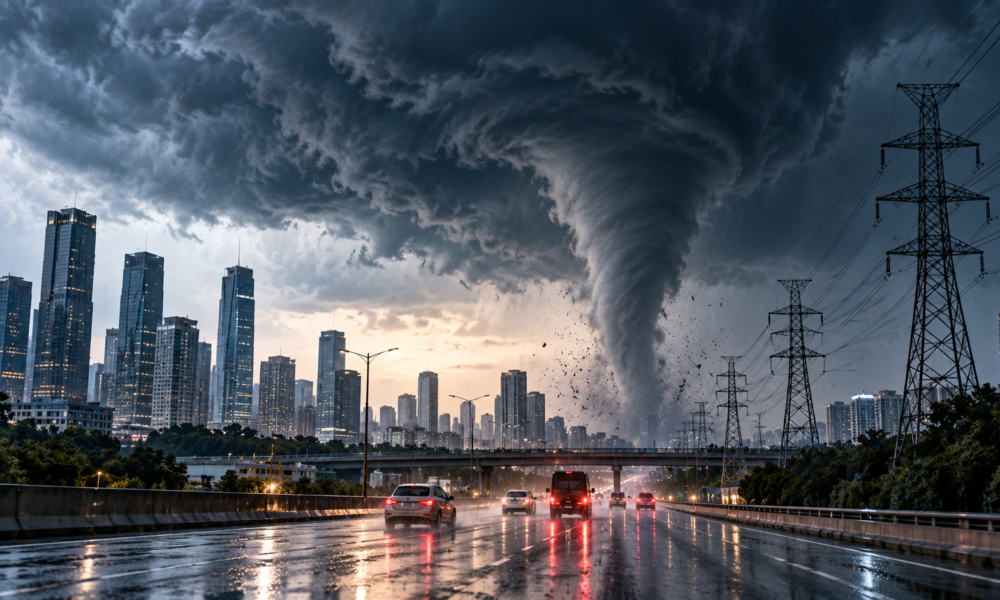
Recent severe weather and tornado warnings in parts of the United States have once again highlighted the vulnerability of urban infrastructure to extreme weather. On 22 September 2026, the US National Weather Service reported tornado and severe thunderstorm warnings as storms moved through parts of the country.
Tornadoes can cause significant damage to buildings, roads, electricity networks and communication infrastructure within a short period. Strong winds can bring down trees, power poles and transmission lines, while flying debris can damage roofs, windows and other parts of buildings.
The impact can extend beyond individual properties. Infrastructure assessments have found that tornadoes can damage power, water, wastewater and telecommunications systems. Roads and bridges can also be affected by debris, flooding and structural damage, making it more difficult for emergency teams to reach affected areas.
Power infrastructure is particularly vulnerable because above-ground electricity poles and lines can be knocked down during severe storms. Damage to electricity networks can also affect essential facilities such as hospitals, emergency services and water systems. Communication networks may also be disrupted when cell towers, cables or supporting infrastructure are damaged.
Buildings face another major risk. Research by the US National Institute of Standards and Technology (NIST) has highlighted the need for stronger tornado-resilient building practices, particularly for essential facilities such as hospitals, schools and emergency-service buildings.
Road networks can also become difficult or dangerous to use after severe weather. Fallen trees, debris, flooding and damaged power lines can block routes and disrupt transport. Recent severe storms in southeast Michigan, for example, caused widespread downed trees and power lines and contributed to nearly 300,000 reported power outages.
For cities, the growing risk from extreme weather underlines the importance of resilient infrastructure. Stronger building standards, protected utility networks, effective drainage, emergency planning and rapid damage assessment can help communities recover more quickly after severe weather events.
As severe weather can develop rapidly, authorities and residents should continue monitoring official warnings and weather updates. Early information can provide valuable time to take protective action and reduce risks to people and critical infrastructure.






No Comment! Be the first one.