








Ghaziabad Gets ₹122 Crore for Dust Control: How Road Repairs and Urban Works Could Change the City
A reported allocation of ₹122 crore for dust-control measures and road-related improvements across approximately 2,100 kilometres of road stretches could support efforts to improve local conditions....


A reported allocation of ₹122 crore for dust-control measures and road-related improvements across approximately 2,100 kilometres of road stretches could support efforts to improve local conditions. However, the effectiveness of such spending will depend on how projects are implemented, maintained and monitored.
Why Road Dust Is an Urban Problem
Road dust is not simply a matter of dirty streets. When road surfaces deteriorate, vehicles can lift loose particles into the air. Unpaved shoulders, uncovered construction materials and poorly maintained roadside areas can add to the problem.
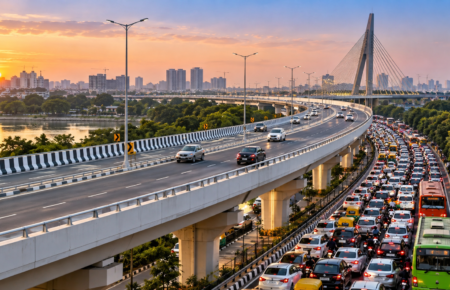
High traffic volumes can make the situation worse. Vehicles moving over damaged surfaces generate dust, while construction and repair work can create additional particulate pollution if materials are not managed properly.
The issue is particularly relevant in densely populated areas, where roads serve residential neighbourhoods, commercial districts and industrial zones simultaneously.
What the ₹122 Crore Programme Could Deliver
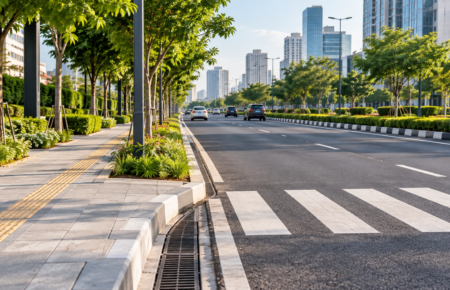
The reported allocation is associated with measures such as road repairs, pothole restoration, landscaping and the installation of interlocking tiles along selected stretches.
Repairing damaged roads can reduce the loose material available to become airborne. Properly finished road shoulders can also limit the spread of exposed soil onto carriageways.
Landscaping may help stabilise selected roadside areas, provided that the design is suitable for local conditions and the plants receive adequate maintenance. Interlocking tiles can offer a more stable surface in appropriate locations, although they are not a substitute for sound drainage and road engineering.
The reported coverage of approximately 2,100 kilometres suggests a broad programme. Still, the actual impact will depend on which stretches are prioritised, how much work is completed and whether maintenance continues after construction.
Why Spending Alone Will Not Solve Dust Pollution
Road repair is one component of dust management, not a complete solution to air pollution.
Construction sites need effective dust suppression, covered materials and responsible debris handling. Municipal agencies must also manage road sweeping, roadside dumping and exposed soil.
Mechanical road sweeping and water-based dust suppression can be useful when applied appropriately. However, these measures require regular scheduling, suitable equipment and monitoring to ensure that they deliver results.
Coordination is another challenge. Municipal bodies, development authorities, road agencies and contractors may have responsibility for different stretches. Without clear accountability, improvements in one location may be undermined by neglected roads nearby.
How Residents Can Assess Progress
Residents should look beyond announcements and monitor visible, measurable changes. Useful indicators include the number of road stretches repaired, the condition of road shoulders, the removal of construction debris and the frequency of maintenance. Complaints about recurring dust hotspots can also help authorities identify locations requiring attention.
Officials should ideally publish project-wise details, expenditure updates, completion schedules and maintenance responsibilities. These disclosures would allow residents to compare planned work with completed improvements.
Air-quality measurements can provide additional context, but changes in pollution levels cannot be attributed to road repairs alone. Weather, traffic, construction activity and emissions from other sources also influence local air quality.
What It Means for Ghaziabad
The reported programme offers an opportunity to connect urban infrastructure spending with a public-health concern that residents experience daily.
Its success will depend on prioritising the most affected stretches, completing quality work and ensuring that repaired surfaces do not deteriorate quickly. Continued enforcement against construction dust and poor material handling will remain equally important.
For Ghaziabad, dust control should be treated as an ongoing urban maintenance responsibility rather than a one-time construction exercise. The real outcome will be cleaner roads, better-maintained public spaces and sustained improvements in local conditions.





No Comment! Be the first one.