





A Century-Old Hydropower Asset Returns to Focus as J&K Bets on Local Energy Capacity
In a move that blends legacy with necessity, Jammu and Kashmir has revived plans to restore the Mohra Hydropower Project, a facility with origins dating back over a century. Once a symbol of early...

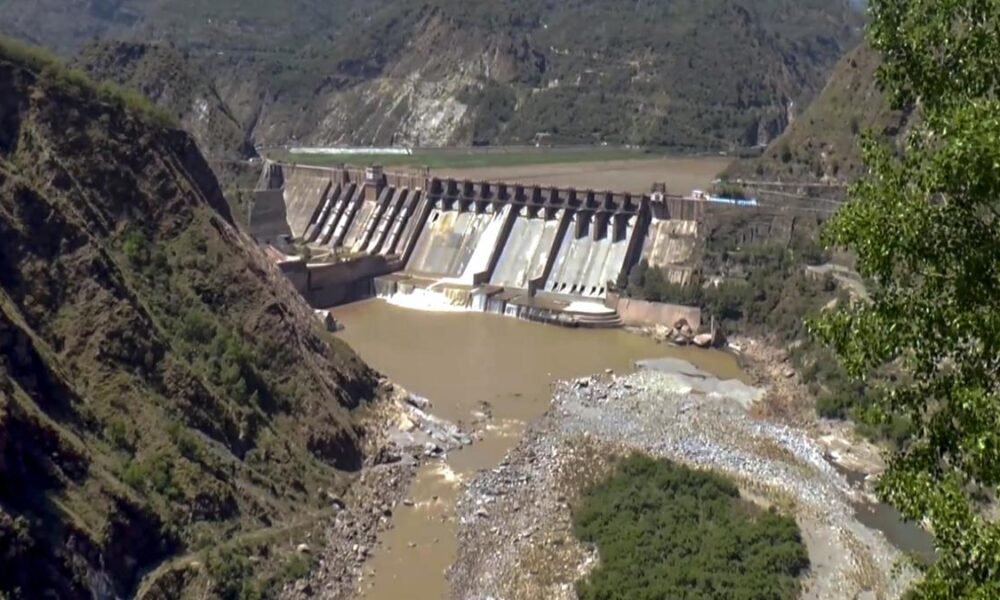
In a move that blends legacy with necessity, Jammu and Kashmir has revived plans to restore the Mohra Hydropower Project, a facility with origins dating back over a century. Once a symbol of early electrification in the region, the project is now being positioned as part of a broader effort to strengthen local power generation.
The renewed push comes at a time when the Union Territory is seeking to reduce its dependence on external power supply and improve reliability across districts that continue to face seasonal shortages. Reviving an existing asset offers a relatively quicker route compared to greenfield projects, particularly in a terrain where new construction carries logistical and environmental challenges.
Officials indicate that the restoration will involve modernisation of equipment and upgrades to align with present-day efficiency standards. The intent is not merely to bring an old plant back online, but to integrate it into a more resilient and decentralised energy system.
The decision also carries strategic undertones. Strengthening generation capacity in border regions has long been seen as critical, both from an infrastructure and administrative standpoint. Reliable electricity supply underpins not just household consumption but also public services and local economic activity.
At the same time, the viability of such revival efforts will depend on execution discipline. Older infrastructure often brings unforeseen technical complications, and cost escalations can quickly erode the advantages of refurbishment over new development.
Even so, the Mohra project’s return to the policy agenda signals a wider shift. There is a growing recognition that legacy assets, if upgraded thoughtfully, can play a meaningful role in meeting present energy needs while avoiding the long gestation periods of entirely new projects.



No Comment! Be the first one.