



Asian Games 2026: India’s Sports Infrastructure Story Goes Beyond Medals
The ongoing Asian Games in Japan have brought India’s athletes back into the spotlight, but the event also highlights another part of the country’s development story: sports...

The ongoing Asian Games in Japan have brought India’s athletes back into the spotlight, but the event also highlights another part of the country’s development story: sports infrastructure.
The 2026 Asian Games are being held in Aichi-Nagoya, Japan, with Indian athletes competing across multiple sports. Cricket has attracted particular attention, with India and Pakistan meeting in the men’s T20 final on October 3.
For infrastructure, however, the larger question is what happens between major sporting events.
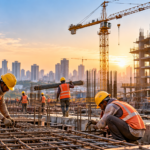
India has been investing in stadiums, training centres, sports academies and related facilities. The next challenge is to create infrastructure that can be used regularly by athletes and local communities rather than only during major competitions.
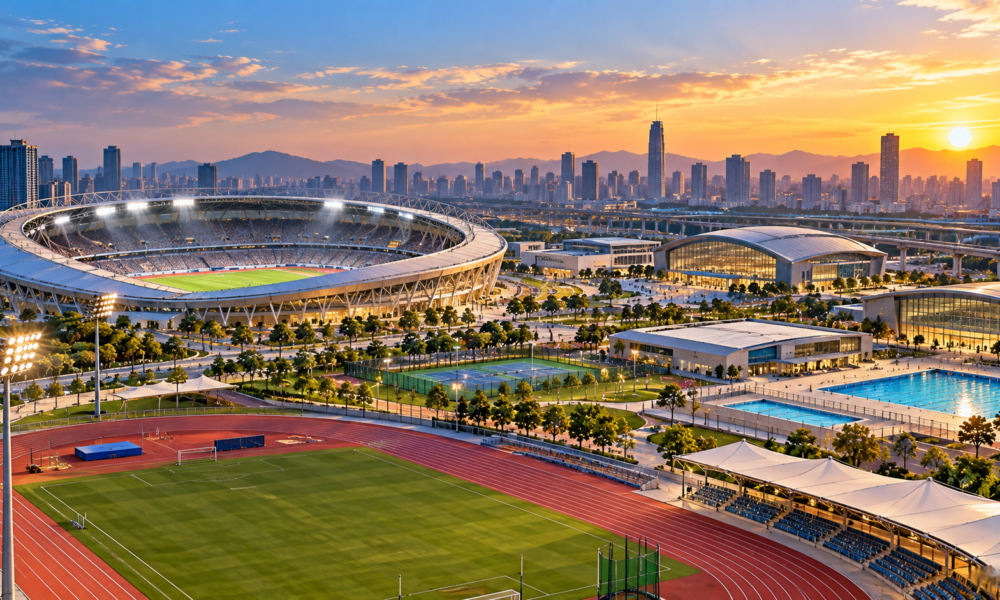
Sports infrastructure includes much more than a cricket stadium.
It includes athletics tracks, swimming pools, indoor arenas, training gyms, medical facilities, sports science centres, accommodation and transport links.
A modern sports ecosystem also requires reliable electricity, water supply, internet connectivity and security systems.
Private investment is increasingly becoming part of this sector.
JKC Sports, a venture associated with the JK Organisation, has announced plans to invest ₹100-150 crore over the next four to five years in sports infrastructure, sports technology and related intellectual property.
This points to a broader change in India’s sports economy.
Sports facilities are increasingly being treated as commercial and community assets rather than simply government-built venues.
Well-designed sports infrastructure can support professional athletes while also creating facilities for schools, colleges and local sporting communities.
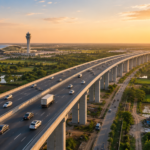
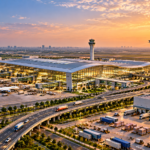
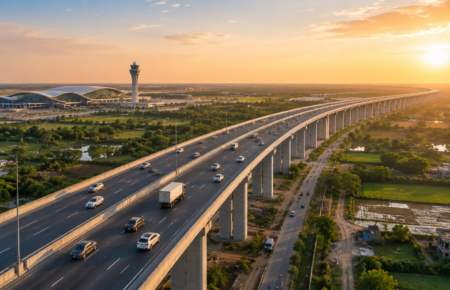
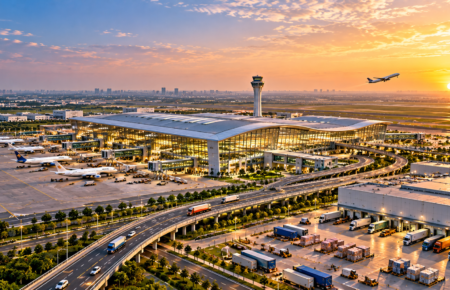
Transport is another important factor.
A stadium may be world-class, but its value is reduced if spectators and athletes cannot reach it easily.
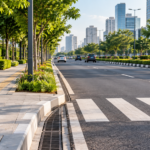
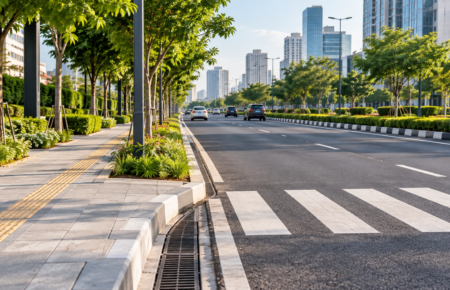
This makes metro lines, roads, parking, pedestrian infrastructure and public transport part of the wider sports infrastructure ecosystem.
The Asian Games also show the importance of specialised venues.
Different sports require different facilities, and many require expensive equipment and maintenance.
Keeping these facilities operational after an event can therefore be as important as constructing them.
India’s sporting ambitions are also growing. The country is seeking to host and participate in larger international sporting events while developing athletes across more disciplines.
That will increase the demand for training facilities and sports science infrastructure.
The challenge will be to ensure that investments produce long-term value.
Facilities should ideally remain useful after a tournament ends and should support athletes at grassroots, state and national levels.
India’s sports future will depend not only on medals and athletes, but also on the stadiums, training centres, transport networks, technology and urban infrastructure built around them.



No Comment! Be the first one.