







Bisleri and India’s Packaged Drinking Water Market: The Infrastructure Behind a Growing Industry
Packaged drinking water has become a familiar part of everyday life in India. From railway stations and airports to offices, restaurants and hotels, bottled water is widely available across the...

Packaged drinking water has become a familiar part of everyday life in India. From railway stations and airports to offices, restaurants and hotels, bottled water is widely available across the country.
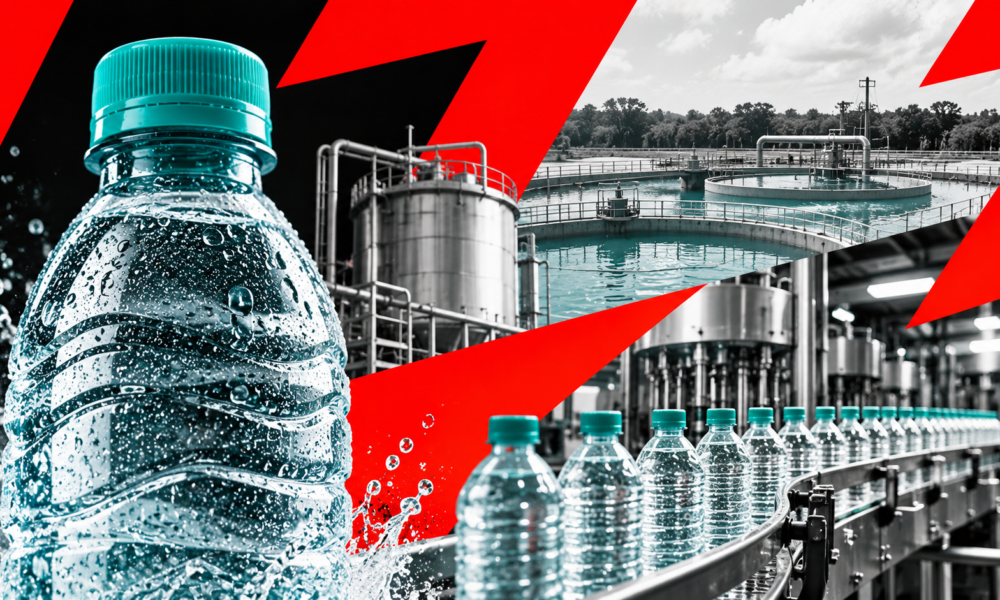
The growth of this industry depends on much more than selling bottles. It requires water treatment facilities, quality testing, manufacturing units, packaging systems and an efficient distribution network.
Bisleri is one of the most recognised brands in India’s packaged drinking water market. Its presence also highlights the infrastructure required to deliver packaged water to consumers across different locations.
How the Packaged Drinking Water Industry Works
Packaged drinking water passes through several stages before reaching consumers.
The process generally begins with sourcing water from an approved source. The water then undergoes treatment to meet applicable quality and safety requirements.
Depending on the facility and treatment process, this may involve filtration, disinfection and other purification methods.
The treated water is then tested, packaged and distributed.
Each stage requires equipment, trained workers and quality control systems. Manufacturing facilities also need reliable electricity, water management systems and suitable storage areas.
The Role of Bisleri in the Market
Bisleri has built a strong presence in India’s packaged drinking water industry.
The company operates in a market where consumers purchase water for convenience, travel and everyday use.
Its business depends on an extensive operational network involving manufacturing, packaging, transportation and retail distribution.
Water bottles must reach supermarkets, local shops, hotels, restaurants and other outlets. This makes logistics an important part of the industry.
The ability to maintain product quality while supplying different markets is a major operational challenge.
Why Manufacturing and Distribution Infrastructure Matters
India is a geographically diverse country. Supplying packaged drinking water to different cities and towns requires a network of production and distribution facilities.
Manufacturers need to plan their facilities close enough to important consumer markets to manage transportation costs and delivery times.
Packaging is another important part of the supply chain. Bottles, caps, labels and cartons must be produced or sourced in sufficient quantities.
The industry also needs testing laboratories and monitoring systems to ensure that products meet food safety requirements.
In December 2025, the Food Safety and Standards Authority of India issued a testing scheme for packaged drinking water and mineral water. The scheme became effective from January 1, 2026.
This is an important regulatory development for manufacturers operating in the sector.
The Sustainability Challenge
The packaged water industry faces an important environmental challenge: plastic waste.
Plastic bottles can create long-term environmental problems when they are not collected and recycled properly.
Companies therefore need to focus on packaging efficiency, recycling systems and responsible waste management.
Water conservation is equally important. Manufacturers must manage water resources carefully and comply with applicable regulations.
Consumers are also becoming more aware of environmental issues, creating pressure on companies to improve their sustainability practices.
Conclusion
Bisleri represents an important part of India’s packaged drinking water market, but the industry depends on a much wider infrastructure ecosystem.
Water treatment, manufacturing, packaging, quality testing and distribution all work together to bring products to consumers.
As the market evolves, companies will need to balance convenience, product safety and environmental responsibility.
The future of packaged drinking water will depend not only on brand recognition but also on efficient operations and sustainable infrastructure.








No Comment! Be the first one.