








Delhi Airport Expands Cargo Role as India Cuts Air Freight Transit Time
India is moving to make Delhi’s Indira Gandhi International Airport (IGI) a stronger hub for international air cargo, with a new transhipment system designed to move goods between domestic and...

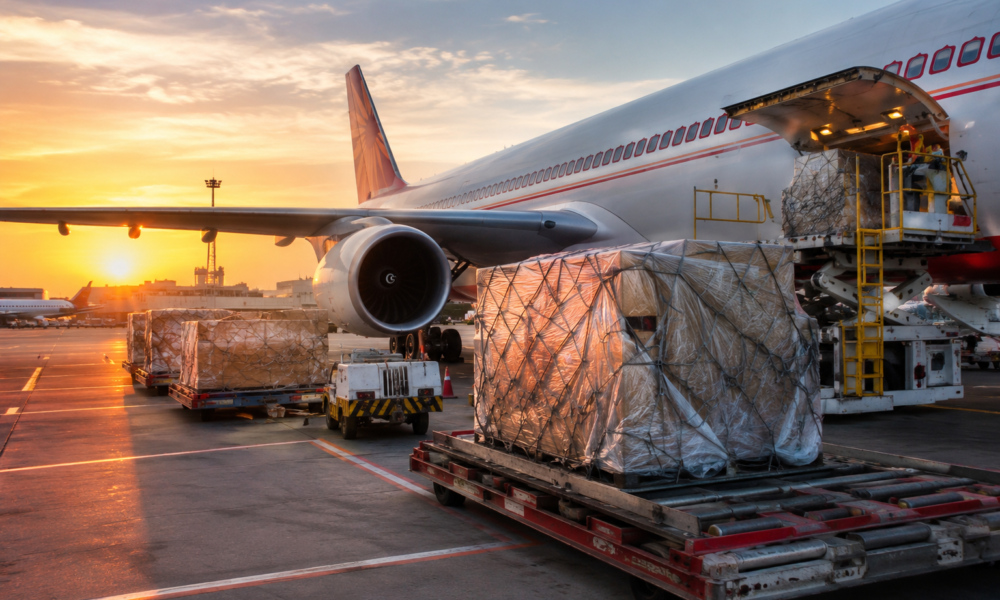
India is moving to make Delhi’s Indira Gandhi International Airport (IGI) a stronger hub for international air cargo, with a new transhipment system designed to move goods between domestic and international flights more quickly.
The Ministry of Civil Aviation has expanded the transhipment cargo reform at IGI Airport after a successful pilot on the Chennai-Delhi-Frankfurt route. The pilot began on 20 June 2026 and was operated end to end by Air India through Delhi International Airport Limited’s Transhipment Excellence Centre at Terminal 2.
The main change is the removal of mandatory re-screening for eligible transhipment cargo. The government said this had been a long-standing bottleneck for air freight because it added time, handling costs and congestion at cargo terminals.
The pilot showed a significant improvement in cargo movement. Average end-to-end transit time on the Chennai-Delhi-Frankfurt route fell from around 60 hours to 20 hours. During the pilot, about 280 tonnes of cargo were transshipped through Delhi, while aircraft capacity utilisation increased from around 75% to nearly 100%.
Following the results, the network has now been expanded. Four more domestic cargo markets, Bengaluru, Ahmedabad, Mumbai and Hyderabad, have been added, along with two international destinations, London and Copenhagen.
The expanded network is expected to increase Air India’s monthly cargo movement on these routes from around 1,763 tonnes to 3,183 tonnes, an increase of nearly 80%.
Why Delhi matters
Delhi already has one of India’s most important aviation and logistics positions. Delhi International Airport Limited describes the airport as a major international hub in South Asia, with more than 140 destinations served by over 60 domestic and international carriers.
The new cargo system adds another layer to this role. Instead of treating Delhi mainly as a passenger gateway, the airport can increasingly function as a point where cargo from Indian cities is consolidated and moved to international destinations.
For exporters, faster cargo movement can be particularly important for products that are time-sensitive or have a short shelf life. It can also help companies reduce delays between domestic collection and international shipment.
The reform could also support India’s wider logistics ambitions. Air cargo is only one part of the supply chain, but faster movement at airports can improve connections between manufacturers, warehouses, airports and overseas markets.
A wider shift in India’s aviation infrastructure
The development comes as India continues to expand its aviation and logistics infrastructure. The government is also looking at greater private participation in airport operations, while airports and cargo terminals are increasingly being viewed as economic infrastructure rather than only passenger facilities.
For @Air India, the expansion also strengthens the role of Delhi in its international network. The airline has been developing hub-and-spoke services that connect passengers and cargo from Indian cities through Delhi to international destinations.
The bigger infrastructure story is therefore about speed and integration. As India’s manufacturing, e-commerce and export sectors grow, airports will need to move not only more people but also more goods, faster.
Delhi’s expanded transhipment network is a step in that direction. If the model continues to deliver shorter transit times and higher cargo utilisation, it could strengthen Delhi’s position as an air freight hub and make India’s logistics network more competitive.









No Comment! Be the first one.