



Raksha Bandhan 2026: How Roads, Railways & Airports Connect Families
The festivities of Raksha Bandhan are in full swing, and siblings cannot wait to meet each other. The festival has also created a massive movement of people across the country, as siblings living in...

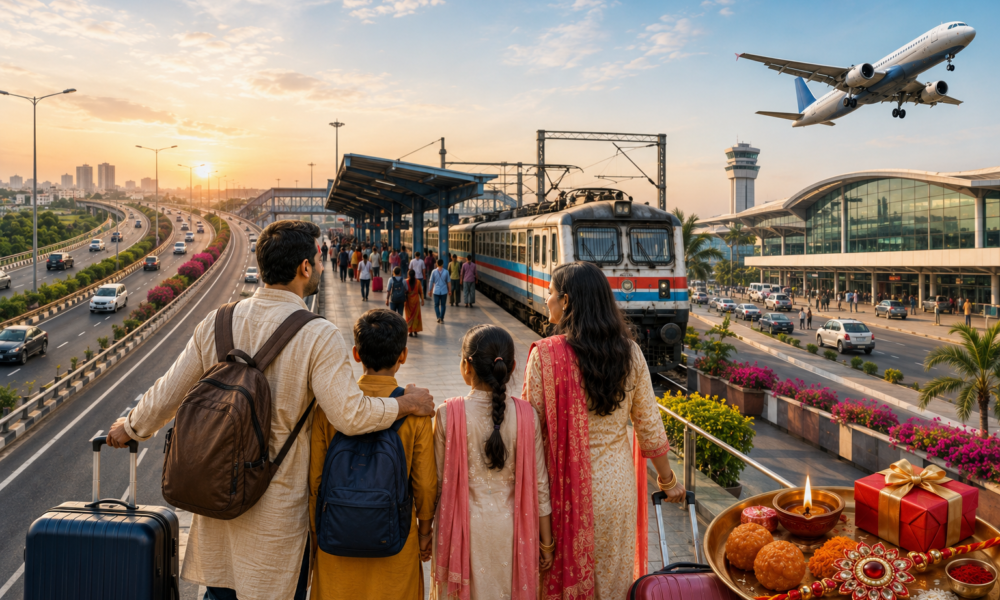
The festivities of Raksha Bandhan are in full swing, and siblings cannot wait to meet each other. The festival has also created a massive movement of people across the country, as siblings living in different cities travel back home to celebrate with their families. This year, the railways have increased capacity, with special trains and additional coaches being introduced across multiple routes.
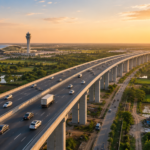
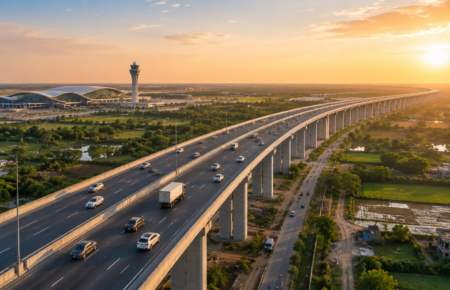
States are also using public transport to support festival travel, with Haryana and Uttar Pradesh offering free bus travel to make journeys easier. Highways are helping reduce inter-city travel times, with projects such as the DND-Faridabad-Sohna corridor strengthening connectivity across the NCR.
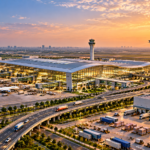
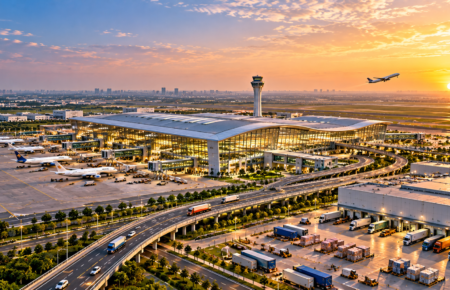
Airports are becoming another important link between families, as higher festive air travel demand highlights the growing importance of aviation connectivity. Raksha Bandhan provides a human example of something much larger: better infrastructure does not just move vehicles and passengers; it also makes it easier for people to maintain relationships across increasingly distant cities.
Raksha Bandhan has become a major travel occasion as more people now work or study away from their hometowns. Cities such as Delhi, Mumbai, Bengaluru, Hyderabad, Pune and Gurugram have large populations of people living away from their families. The festivities create a temporary yet significant movement of people heading back to their hometowns.
Festivals test India’s infrastructure
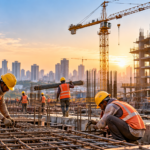
Raksha Bandhan is also creating a real-world test for India’s roads, railways, airports and bus networks, as large numbers of passengers travel within a short period. This puts temporary pressure on railway stations, highways, airports, parking facilities and public transport systems.
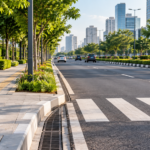
During the festivities, infrastructure becomes more than just a means of connectivity. It becomes part of the rhythm of the country, as streets, buildings and public spaces come alive with flowers, decorations and sweets. Even without elaborate decorations, the festive spirit remains visible among people.
Roads connect cities, railways connect towns and airports connect distant regions. Ultimately, however, these networks connect people. A highway can therefore serve both an economic and a social purpose at the same time.
The rise of multi-city families
Families are increasingly spread across different cities because of jobs, education and migration. One sibling may live in Gurugram, while another lives in Bengaluru, and their parents may remain in Lucknow or Jaipur. Transport infrastructure allows these geographically separated families to come together during important occasions.
While Raksha Bandhan has long been celebrated across the country, the increased movement of people during the festival also leads to higher spending on fuel, food, taxis, buses, railways and retail. Railway stations, airports, highways and nearby commercial areas can all experience increased activity during the festive period.
However, there is also a significant infrastructure challenge. The festival rush can lead to hours-long traffic congestion, overcrowding, ticket shortages, delays, higher airfares and additional pressure on public transport. This highlights why India needs not only more infrastructure but also better capacity planning.
The future story is not simply about travelling faster. It is about making distance less of a barrier to maintaining relationships.



No Comment! Be the first one.