








HFCL Share Price: Telecom Equipment Business and Growth Outlook
HFCL Limited operates in India’s telecommunications equipment and network infrastructure ecosystem. Its business is connected to the technologies that carry voice and data across fibre-optic...

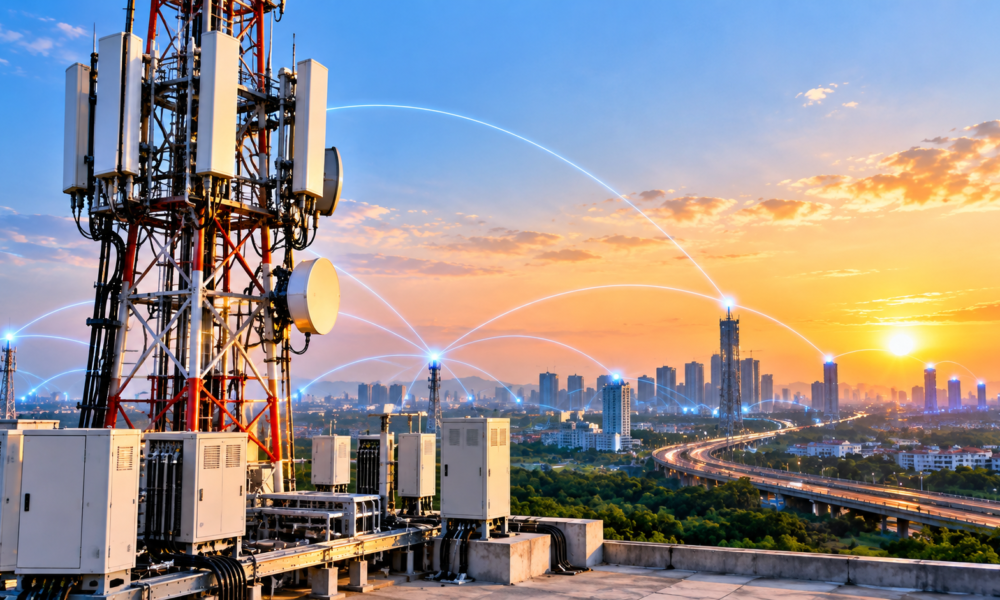
HFCL Limited operates in India’s telecommunications equipment and network infrastructure ecosystem. Its business is connected to the technologies that carry voice and data across fibre-optic networks, broadband systems and telecom infrastructure. As India’s demand for high-speed connectivity grows, companies supplying network equipment are positioned to participate in the continuing expansion of digital services.
However, the outlook for HFCL’s share price depends on more than the growth of internet usage. Investors must also assess order execution, margins, competition, working capital and the company’s financial results.
What does HFCL do?
HFCL is associated with telecom products and solutions, including optical fibre cables, networking equipment and related connectivity technologies. These products help telecommunications operators and other customers expand network capacity and improve data transmission.
India’s digital infrastructure requirements extend beyond mobile towers. Fibre backhaul, broadband access, enterprise connectivity and the development of high-capacity networks all require equipment and dependable supply chains.
This creates potential demand for businesses that can deliver reliable products at competitive costs. Yet sector growth does not guarantee that every supplier will achieve the same financial results.
What could influence HFCL’s share price?
The first factor is the company’s order book and its ability to convert orders into revenue. A large order book may improve visibility, but the timing of execution, customer acceptance and payment collection can influence the financial outcome.
Second, investors should track operating margins. Equipment manufacturers face input costs, pricing pressure, production expenses and research and development requirements. Revenue can rise while profits remain under pressure if costs increase faster.
Third, working capital matters. Telecom infrastructure contracts may involve lengthy execution cycles and delayed receivables. Strong reported sales are more useful when accompanied by healthy cash generation.
The company’s product mix and exposure to domestic and international customers may also affect growth and risk.
The role of India’s digital infrastructure
The expansion of broadband, enterprise networks and advanced telecom services requires continuous investment. Operators need to upgrade networks as data consumption increases and new applications demand greater capacity and reliability.
Domestic manufacturing capabilities can also matter as India seeks to strengthen technology supply chains. Companies able to deliver quality products, meet delivery schedules and maintain competitive pricing may be better placed to win business.
However, procurement cycles can fluctuate. Changes in customer spending, tender timing and competitive bids can create uneven quarterly results.
What should investors monitor?
HFCL’s latest financial statements, exchange announcements and management commentary are essential starting points. Investors should examine revenue growth, operating profit, net profit, debt, cash flow and receivables alongside order-book disclosures.
It is also important to compare current valuation with realistic earnings expectations rather than treating the share price as a standalone indicator of business quality.
HFCL’s long-term opportunity is connected to the development of India’s telecom and broadband networks. Its ability to turn that opportunity into sustainable profitability will depend on execution, product competitiveness and financial discipline.
Investor note: Share prices fluctuate. This article is for informational purposes and is not a recommendation to buy or sell HFCL shares.








No Comment! Be the first one.