








India looks to reduce dependence on imported tunnel boring machines for major infrastructure projects
India is stepping up efforts to build domestic manufacturing capacity for tunnel boring machines (TBMs) after supply chain disruptions exposed the risks of depending on overseas suppliers for...

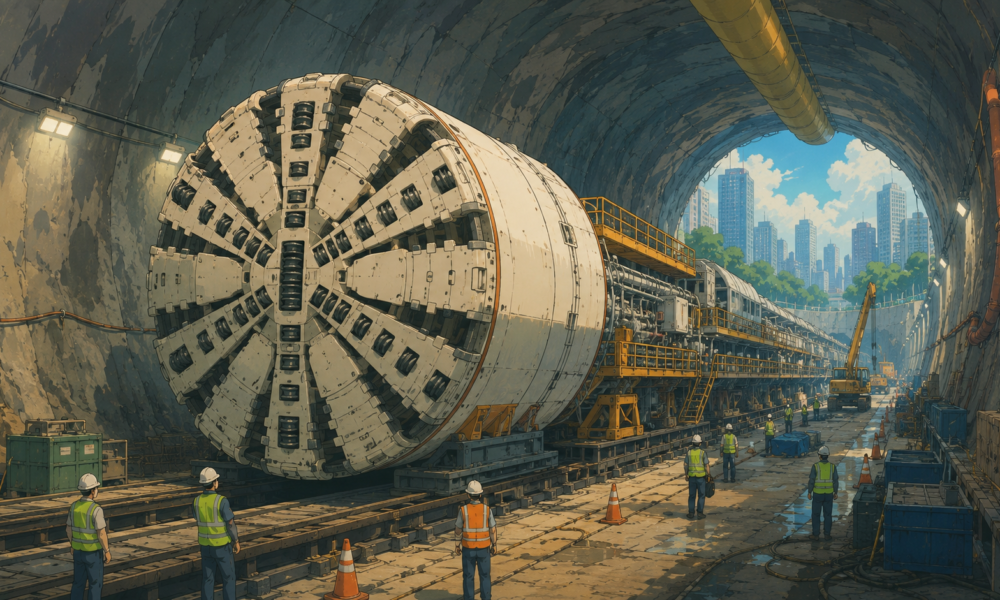
India is stepping up efforts to build domestic manufacturing capacity for tunnel boring machines (TBMs) after supply chain disruptions exposed the risks of depending on overseas suppliers for critical infrastructure equipment. The move is expected to strengthen the country’s long term infrastructure programme and reduce delays in metro rail, railway and highway tunnel projects.
The renewed focus comes after key infrastructure projects, including the Mumbai Ahmedabad High Speed Rail corridor, faced delays linked to the supply of German designed tunnel boring machines that were manufactured in China. Export restrictions and geopolitical uncertainties disrupted deliveries, highlighting the vulnerability of India’s infrastructure pipeline to global supply chain shocks.
Tunnel boring machines play a crucial role in constructing underground metro networks, railway tunnels, highways, water supply systems and utility corridors. These highly specialised machines are designed to excavate tunnels through varying geological conditions while improving construction speed and safety. India has relied heavily on imported TBMs for many of its large scale projects.
The recent disruption has prompted policymakers and industry leaders to examine ways of developing a domestic manufacturing ecosystem for advanced tunnelling equipment. Building local capabilities could help reduce project costs, shorten procurement timelines and improve the country’s resilience against future supply chain disruptions.
The infrastructure sector has witnessed rapid growth over the past decade, with expanding investments in metro rail systems, expressways, high speed rail corridors and urban infrastructure. As these projects increase in scale and complexity, demand for specialised construction equipment is expected to rise steadily.
Industry experts believe that local production of tunnel boring machines would also encourage the growth of supporting industries, including precision engineering, heavy manufacturing, electronics and automation. Domestic production could create skilled employment opportunities while helping Indian companies participate more actively in global infrastructure supply chains.
The government’s wider push for manufacturing under initiatives promoting domestic production is also expected to support the development of heavy engineering equipment. Companies involved in mining, construction machinery and industrial manufacturing could benefit from new investment opportunities if India succeeds in establishing a competitive TBM manufacturing base.
Infrastructure developers have welcomed discussions around localisation, noting that greater availability of equipment within the country could improve project execution. Faster access to machinery would help contractors manage construction schedules more efficiently while reducing dependence on international shipping and imports.
Although establishing a domestic ecosystem for tunnel boring machines will require technology partnerships, investment and specialised expertise, industry observers believe the long term benefits outweigh the initial challenges. As India continues expanding its transport and urban infrastructure, greater self reliance in critical construction equipment could become an important pillar of future project delivery.
The shift reflects a broader strategy of strengthening supply chain security while supporting industrial growth. For India’s infrastructure sector, reducing dependence on imported tunnel boring machines could improve execution capacity and reinforce the country’s ambition to build world class transport networks with greater confidence and resilience.







No Comment! Be the first one.