








India Moves to Build Tunnel Boring Machines at Home to Reduce Import Dependence
India is stepping up efforts to manufacture tunnel boring machines (TBMs) within the country after supply disruptions highlighted the risks of relying heavily on imports for critical infrastructure...

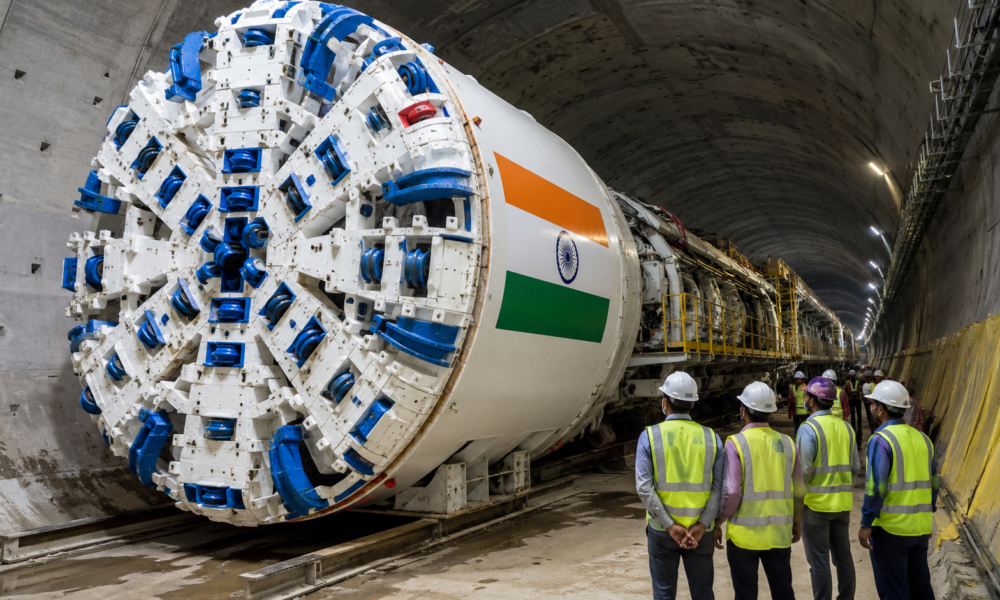
India is stepping up efforts to manufacture tunnel boring machines (TBMs) within the country after supply disruptions highlighted the risks of relying heavily on imports for critical infrastructure equipment. The move is expected to strengthen domestic manufacturing, improve project timelines and support the country’s long term infrastructure expansion.
Tunnel boring machines are specialised equipment used to excavate tunnels for metro rail systems, highways, railway corridors, water supply projects and underground utilities. At present, a large share of these machines is imported, making infrastructure projects vulnerable to global supply chain disruptions and export restrictions.
According to recent reports, delays in the supply of TBMs from China affected the progress of several infrastructure projects across India. The disruption has encouraged policymakers to focus on developing a domestic manufacturing ecosystem for these high value machines. Officials are considering an incentive scheme aimed at encouraging Indian companies to manufacture advanced construction and mining equipment locally.
The proposed initiative is expected to support manufacturers through financial incentives, technology development and capacity building. By producing TBMs within India, the government aims to reduce dependence on imports, strengthen supply chains and create new opportunities for engineering and heavy equipment companies.
The timing is significant as India continues to invest heavily in transport and urban infrastructure. Metro rail projects are expanding across multiple cities, while railway tunnels, highway corridors and underground utility networks are being built at an unprecedented pace. These projects require sophisticated machinery capable of working efficiently through different geological conditions.
Industry experts believe domestic production could also lower costs over time. Imported tunnel boring machines involve shipping expenses, customs duties and long procurement cycles. Local manufacturing would make equipment more accessible, reduce waiting periods for replacement parts and improve maintenance support throughout a project’s life cycle.
The initiative also aligns with the government’s broader push to strengthen manufacturing under its self reliance strategy. Building advanced engineering equipment in India could help develop skilled jobs, encourage research and development, and create export opportunities for Indian manufacturers in emerging infrastructure markets.
India’s infrastructure ambitions continue to grow across roads, railways, metros, ports and urban development. As project pipelines become larger and more complex, reliable access to specialised equipment will play an important role in keeping construction on schedule. Developing a domestic ecosystem for tunnel boring machines could therefore become an important step towards improving project delivery and reducing external risks.
For the infrastructure sector, the move is about more than manufacturing a single machine. It reflects a wider effort to build stronger industrial capabilities that can support India’s long term growth plans. If implemented successfully, local TBM production could improve supply security, strengthen the engineering sector and help deliver major infrastructure projects more efficiently over the coming years.







No Comment! Be the first one.