








Nitin Gadkari Pushes Faster Rollout of Multi Modal Logistics Parks to Cut India’s Logistics Costs
India’s logistics infrastructure is set for a significant boost after Union Minister for Road Transport and Highways Nitin Gadkari reviewed the progress of Multi Modal Logistics Parks (MMLPs),...

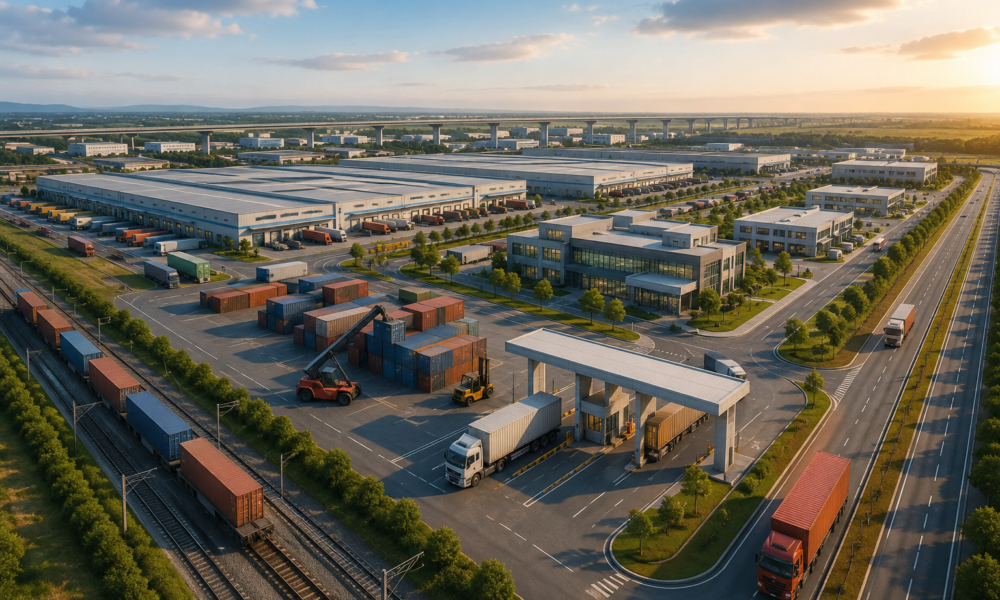
India’s logistics infrastructure is set for a significant boost after Union Minister for Road Transport and Highways Nitin Gadkari reviewed the progress of Multi Modal Logistics Parks (MMLPs), ropeway projects, intermodal stations and wayside amenities being developed across the country. During the review meeting with the National Highways Logistics Management Limited (NHLML), the minister directed officials to speed up execution and remove project bottlenecks to strengthen India’s transport network.
The review comes as India continues to invest heavily in infrastructure to improve freight movement and reduce logistics costs, which currently account for a higher share of GDP than many developed economies. Multi Modal Logistics Parks are expected to integrate road, rail and warehousing facilities into a single ecosystem, allowing cargo to move more efficiently across the country.
According to the Ministry of Road Transport and Highways, these logistics parks will become key hubs for freight consolidation, storage, distribution and value added services. They are also expected to reduce congestion in urban areas by shifting large scale freight handling to purpose built facilities located near major transport corridors.
During the meeting, Gadkari highlighted the importance of creating a future ready transport ecosystem through integrated infrastructure. He stressed that timely completion of logistics parks, ropeways and intermodal stations would strengthen multimodal connectivity, improve supply chain efficiency and unlock new economic opportunities across regions.
India has identified more than 35 locations for Multi Modal Logistics Parks under the Bharatmala programme. Several projects are already under development, with facilities planned near major industrial centres, ports, freight corridors and national highways. Once operational, these parks are expected to reduce transportation costs, improve turnaround time for cargo and enhance the competitiveness of Indian manufacturing and exports.
The review also covered ropeway projects under the Parvatmala initiative, intermodal passenger stations and modern wayside amenities along national highways. These complementary projects aim to improve tourism, passenger convenience and regional connectivity while supporting economic development in both urban and remote areas.
Industry experts believe integrated logistics infrastructure is becoming increasingly important as e-commerce, manufacturing and export volumes continue to grow. Modern logistics parks equipped with digital tracking systems, automated warehousing and seamless road and rail connectivity can significantly improve supply chain resilience while reducing operational costs for businesses.
The government also expects these projects to attract private investment through public private partnerships. Logistics companies, warehouse developers and industrial operators are likely to benefit from improved infrastructure, creating new employment opportunities and supporting regional industrial growth.
For India’s infrastructure sector, the accelerated rollout of Multi Modal Logistics Parks represents more than a transport upgrade. It signals a shift towards an integrated logistics ecosystem that connects highways, railways, ports and industrial hubs into a unified network. As project execution gathers pace, these developments could play an important role in improving India’s logistics competitiveness and supporting long term economic growth.




No Comment! Be the first one.