








India’s Inland Waterways Cargo Push Gains Momentum as River Transport Emerges as Low-Cost Logistics Alternative
India’s inland waterways network is becoming an increasingly important pillar of the country’s infrastructure strategy, with cargo movement through rivers reaching record levels and fresh...

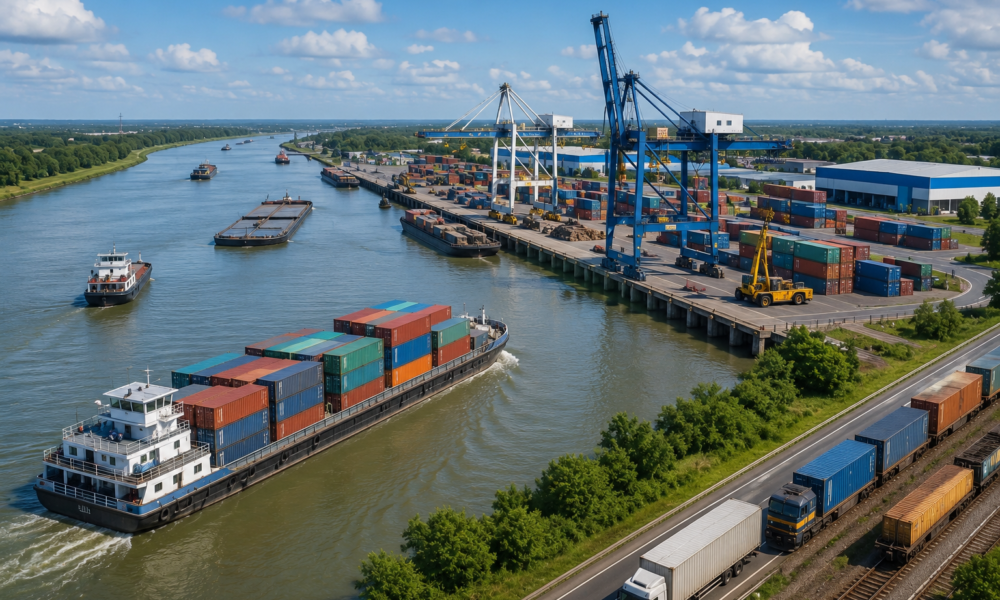
India’s inland waterways network is becoming an increasingly important pillar of the country’s infrastructure strategy, with cargo movement through rivers reaching record levels and fresh policy measures aimed at shifting freight away from congested roads and railways. The Ministry of Ports, Shipping and Waterways has confirmed that cargo transported through inland waterways has grown from 18 million metric tonnes in 2013 to over 218 million metric tonnes in 2025-26, highlighting the rapid expansion of India’s river based logistics network.
The government is now intensifying efforts to make inland waterways a commercially attractive option for industries by introducing financial incentives, expanding cargo routes and encouraging public sector companies to utilise river transport. These initiatives form part of a long term strategy to increase the share of waterways and coastal shipping in India’s freight movement while reducing overall logistics costs.
Transporting cargo through inland waterways remains significantly cheaper than road transport and offers lower emissions. Government data indicates that water based freight costs approximately ₹1.06 per tonne kilometre compared with around ₹1.36 by rail and ₹2.50 by road. This cost advantage is expected to encourage industries such as cement, coal, food grains, fertilisers and construction materials to increasingly adopt river transport for bulk cargo.
The Jal Marg Vikas Project has played a central role in this transformation by modernising National Waterway 1, which stretches from Haldia in West Bengal to Varanasi in Uttar Pradesh. The corridor now features multimodal terminals, improved navigation systems and community jetties that support both commercial logistics and local economic activity. Cargo traffic along the waterway has more than tripled over the past decade, demonstrating the growing viability of inland shipping.
Beyond freight movement, inland waterways are also supporting broader infrastructure development. Modern river terminals are being integrated with highways, rail networks and industrial clusters to create seamless multimodal logistics systems. These investments are expected to reduce congestion on highways, improve supply chain resilience and strengthen connectivity between manufacturing centres and ports.
The government has also directed more than 140 public sector organisations to evaluate opportunities for shifting suitable cargo to waterways wherever practical. Financial support through freight reimbursement schemes and tax incentives is expected to encourage greater participation from private logistics operators and vessel owners.
Industry experts believe inland waterways can become a key driver of India’s ambition to lower national logistics costs while supporting sustainable transport. River based freight consumes less fuel per tonne transported, produces fewer carbon emissions and requires lower maintenance investment than expanding road infrastructure alone. As industrial production and e-commerce continue to grow, diversified freight networks are becoming increasingly important for long term economic competitiveness.
The expansion of inland waterways also complements other flagship infrastructure programmes, including Dedicated Freight Corridors, Bharatmala highways, Sagarmala ports and Multi Modal Logistics Parks. Together, these projects aim to create an integrated national logistics ecosystem capable of supporting India’s growing manufacturing and export economy.
As investment continues across river terminals, cargo vessels and multimodal infrastructure, inland waterways are steadily evolving from an underutilised transport mode into a strategic component of India’s infrastructure landscape. With policy support and increasing private sector participation, river transport is expected to play a much larger role in the country’s logistics future.








No Comment! Be the first one.