





Kamarajar Port Gets Approval for a Second Container Terminal
The Union Cabinet has approved a second container terminal at Kamarajar Port in Tamil Nadu. The project is planned to add 2 million TEUs of annual container-handling capacity. TEU means a standard...

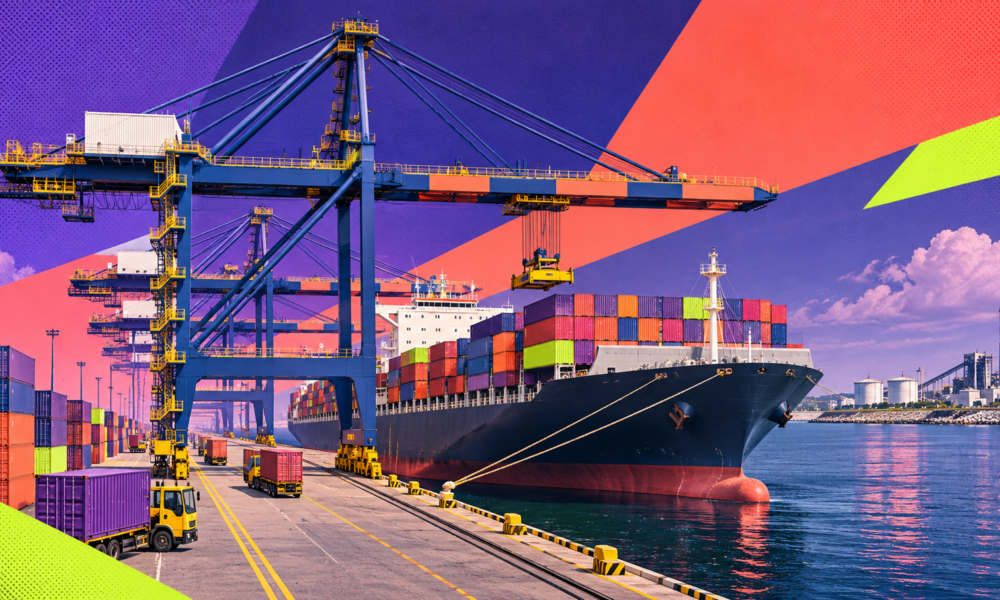
The Union Cabinet has approved a second container terminal at Kamarajar Port in Tamil Nadu. The project is planned to add 2 million TEUs of annual container-handling capacity. TEU means a standard 20-foot shipping container, the unit used to measure container traffic.
The terminal is planned as a public-private partnership, or PPP. Its estimated project cost is ₹4,288.26 crore, including GST. The selected private concessionaire will arrange the investment for the terminal. Kamarajar Port is expected to bear a separate estimated ₹450 crore cost for dredging. The project has been approved, and its delivery will depend on the concession award, clearances and construction schedule.
A 900-Metre Terminal Planned in Two Phases
The second terminal is planned to be 900 metres long, with a berth width of 30 metres. Its total design capacity is 2 million TEUs each year. The project will be developed in two phases.
Phase I is planned to provide capacity for 1.1 million TEUs a year. Phase II will add another 0.9 million TEUs. This phased approach means the first part of the terminal is scheduled to begin operations before the full project is ready.
The project uses a Design, Build, Finance, Operate and Transfer model, often shortened to DBFOT. Under this arrangement, the selected concessionaire will design, build, finance and operate the terminal during the concession period, then transfer it as set out in the agreement. The planned concession period is 40 years, including 48 months for construction.
Built for Large Container Ships
The terminal is designed for a draft of 18 metres. Draft is the distance between a ship’s waterline and the bottom of its hull. A deeper draft allows a port to receive larger vessels, provided the channels and other port facilities can support them.
The new terminal is designed to handle container ships of up to 24,346 TEUs and 400 metres in length. The project is intended to help Kamarajar Port receive larger mainline vessels and connect more directly with international shipping routes.
For exporters and importers, direct vessel calls can affect how cargo moves between ports. The Cabinet release says the project is expected to reduce dependence on foreign deep-water hub ports and related feedering costs. These are expected outcomes, and the actual effect will depend on the services shipping lines choose to operate.
Why the Port Plans More Capacity
Kamarajar Port handled 49.08 million tonnes of cargo and 1,008 vessels in FY 2025–26. Its existing container terminal has an installed capacity of 0.8 million TEUs a year. It handled about 0.7 million TEUs during the same financial year, equal to around 88% of that capacity.
The proposed terminal is intended to serve containerised export and import cargo from the Chennai–Ennore industrial region and the wider southern hinterland. The Cabinet release names automobiles and auto parts, engineering goods, electronics and chemicals among the sectors expected to generate cargo.
Kamarajar Port’s container traffic grew by about 9.9% a year over the previous five years, according to the Cabinet release. The project’s feasibility study expects container traffic in the south-eastern region to continue growing. The planned capacity is meant to prepare the port for that demand.
The Next Steps
The project is planned to proceed through an open global bidding process. The selected concessionaire will arrange financing for the PPP component and recover its investment through user charges under the concession agreement and tariff rules.
Phase I is scheduled for completion within 24 months of the concession award, with commercial operations planned for the 25th month. Phase II construction is planned from the 25th to the 48th month, with full commercial operations expected from the 49th month. The project proposal also calls for environmental and other required clearances before the bid due date.






No Comment! Be the first one.