






Memphis AI Data Centre Debate Shows the Infrastructure Challenge Behind the AI Boom
Artificial intelligence is growing quickly, but AI needs much more than powerful computer chips and software. It also needs huge data centres, electricity, cooling systems, water, land and strong...

Artificial intelligence is growing quickly, but AI needs much more than powerful computer chips and software. It also needs huge data centres, electricity, cooling systems, water, land and strong internet connections.
Memphis, Tennessee, has become an important location in this growing AI infrastructure race. The city is home to SpaceXAI’s Colossus facility, one of the company’s major AI computing sites. SpaceXAI says it is continuing to expand its computing infrastructure in the Greater Memphis area.
The rapid growth has also created concerns among some Memphis residents. People have raised questions about electricity use, water, noise, air quality and the wider effect of large data centres on local communities.
These concerns became particularly visible during a Memphis City Council meeting on October 6, when the council postponed a decision on a proposed 12-month data-centre moratorium. The council voted 7-5 to delay the decision until October 20.
The proposed moratorium is broader than just AI facilities. It would cover new data-centre and high-density computing developments while Memphis considers how such projects should be regulated.
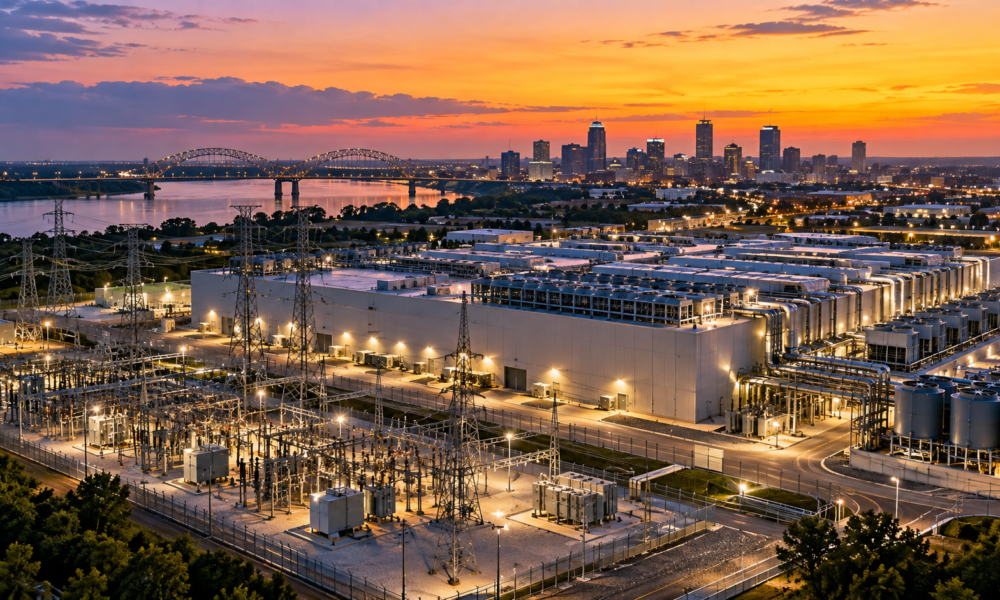
Electricity is one of the biggest infrastructure questions. Large AI facilities can require enormous amounts of power, putting greater importance on substations, transmission lines and the wider electricity grid.
MLGW, Memphis’ public utility, is already closely involved with the Colossus project. MLGW has reported that the facility has been connected to two substations providing a combined 150 megawatts of power, with additional infrastructure planned for further capacity.
Water is another important issue. Data centres use cooling systems to control the heat produced by powerful computers. SpaceX AI says it is investing $80 million in a water-recycling facility designed to process up to 13 million gallons of wastewater per day and reduce the facility’s use of groundwater.
At the same time, data centres can bring economic benefits. Large projects can create construction activity, attract investment, support local businesses and strengthen a city’s position in the technology industry.
This creates a difficult infrastructure question for cities. They need to balance the economic opportunities from AI with the need to protect electricity systems, water resources, the environment and local communities.
Memphis could become an important example of this challenge. As AI companies build larger computing facilities, cities may need clearer rules about where data centres can be built, how much infrastructure they can use and how their impact should be managed.
The bigger lesson is simple: AI does not run only on software. It runs on physical infrastructure.
Power lines, substations, cooling systems, water networks, fibre connections, land and industrial facilities will all play a major role in determining how quickly the AI economy can grow.
For Memphis, the debate is therefore about more than one data centre. It is about how a city prepares for a future where digital growth increasingly depends on physical infrastructure.




No Comment! Be the first one.