






Mumbai’s Underground Tunnel Crosses 1-Km Excavation Milestone
Mumbai’s Orange Gate–Marine Drive underground road tunnel has crossed the one-kilometre excavation mark, taking the ₹8,056-crore project a step forward. The tunnel is designed to connect the...

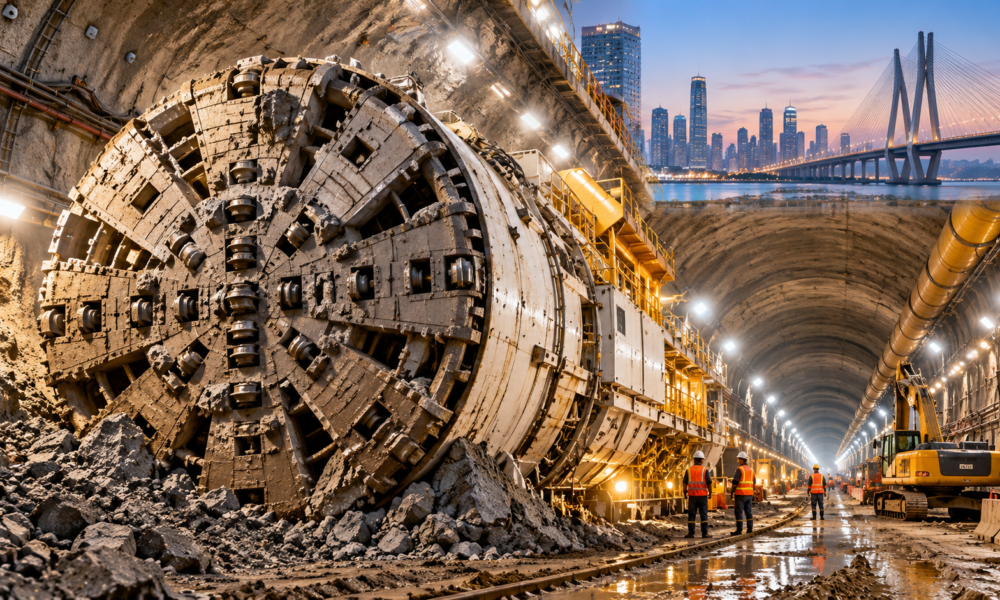
Mumbai’s Orange Gate–Marine Drive underground road tunnel has crossed the one-kilometre excavation mark, taking the ₹8,056-crore project a step forward. The tunnel is designed to connect the Eastern
Freeway with the Coastal Road and improve road connectivity in South Mumbai, according to a report published by NDTV on October 13.
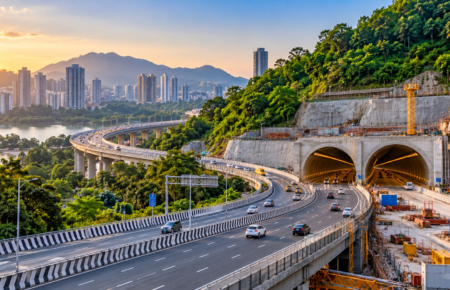
The project includes twin underground tunnels extending over seven kilometres. Once completed, it is expected to provide a direct route between Orange Gate and Marine Drive, reducing the need for vehicles to use some of the existing congested roads.
The milestone marks progress in the construction of a major urban transport project. However, the tunnel is still under construction, and its proposed travel-time benefits will need to be assessed after it opens to traffic.
What is the tunnel project?
The Mumbai Metropolitan Region Development Authority (MMRDA) is overseeing the project, which aims to improve the movement of vehicles between the Eastern Freeway and the Coastal Road.
The tunnel is planned as a twin-tube road facility, with separate tunnels providing space for traffic moving in opposite directions. The design also includes emergency access arrangements and systems to manage ventilation and traffic safety.
Underground roads can help reduce pressure on surface routes in crowded cities. They can also provide a more direct connection between major roads.
However, tunnelling projects are complex. They require careful engineering, monitoring and safety arrangements because construction takes place below busy urban areas.
How could it help commuters?
South Mumbai has several busy roads connecting business districts, residential areas and transport hubs. A direct tunnel connection could give motorists another route between the Eastern Freeway and the Coastal Road.
NDTV reported that the project is expected to reduce travel time between Orange Gate and Marine Drive from around 30 minutes to about five minutes under the stated conditions. These are projected figures, not a guarantee of actual journey times after opening.
The final impact will depend on traffic volumes, entry and exit arrangements, road connections and how motorists use the new route.
The tunnel could also change traffic patterns on nearby roads. Authorities will need to monitor congestion at connecting junctions and ensure that traffic entering or leaving the tunnel does not create new bottlenecks.
What is the timeline?
The project is expected to take several years to complete. NDTV reported a target of December 2028.
Construction milestones are important indicators of progress, but excavation alone does not mean that a road is ready for use. Further work includes completing the tunnel structure, installing equipment, testing safety systems and preparing the road for traffic.
The MMRDA’s project information reported physical progress of 33.27% and financial progress of 27.04% as of September 2026.
Mumbai Metropolitan Region Development Authority
What comes next?
The next stages will involve further excavation and construction, followed by installation and testing of the systems needed for safe operation.
For commuters, the main question is whether the completed tunnel will deliver reliable travel-time savings without shifting congestion to nearby roads.
The project is another example of Mumbai’s effort to improve urban connectivity through large transport investments. Its success will ultimately depend on timely completion, safe operation and effective integration with the city’s wider road network.




No Comment! Be the first one.